A Hospital Fungus Survived Its First-Choice Drug Without the Usual Mutations
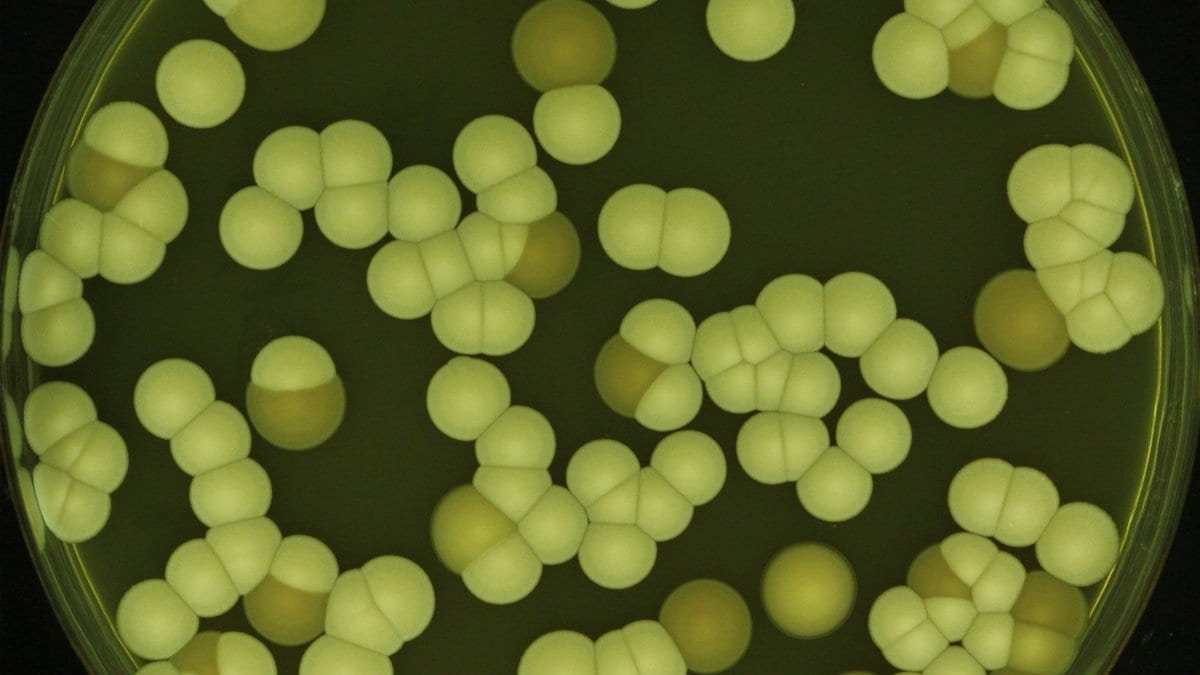
A fungus that survived antifungal treatment in two critically ill London patients carried none of the gene mutations usually blamed for that failure, according to a paper published Oct. 15, 2026, in Nature Communications. The cells that survived instead carried extra copies of their whole genome, altered cell walls, and mutations in a stress-response gene.
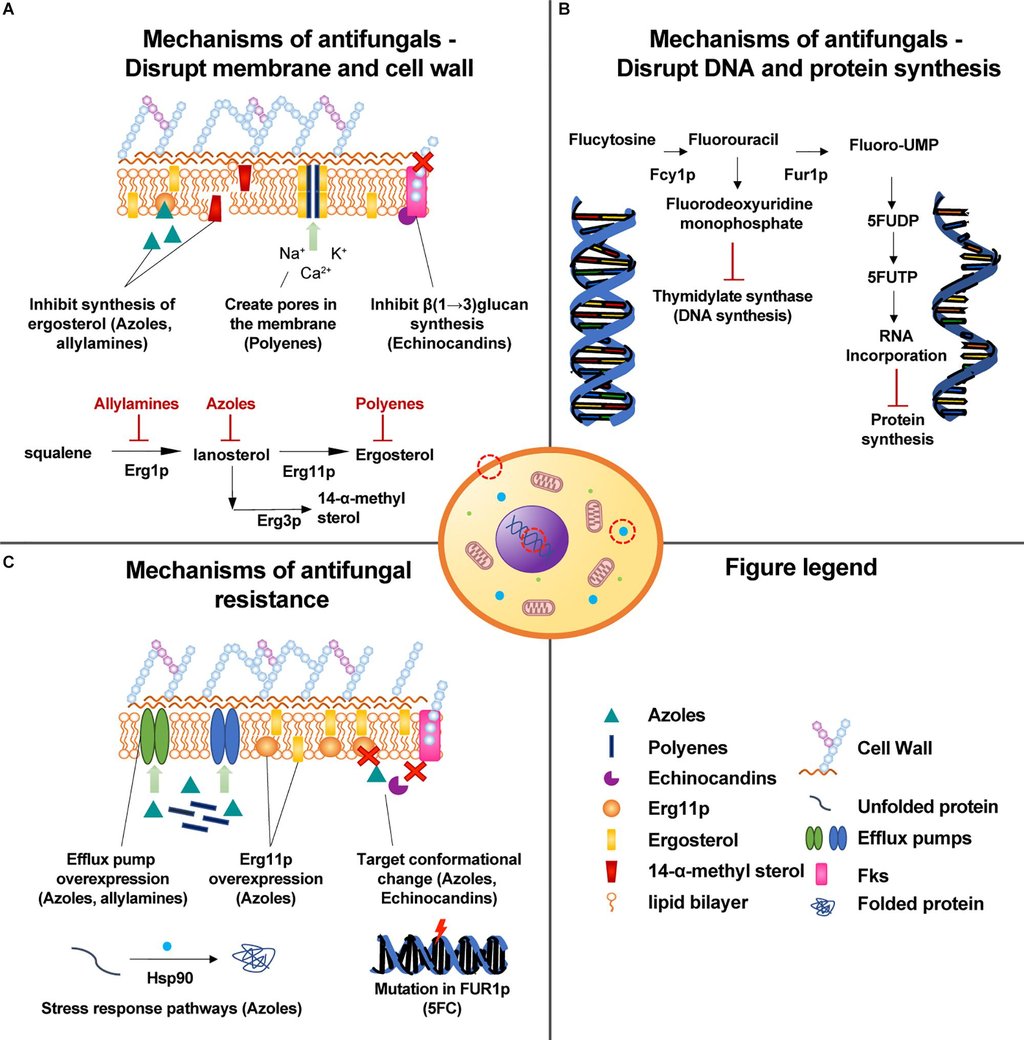
Echinocandins are the drug class recommended first for invasive Candida auris infection, and the study set out to explain why they fail in patients whose isolates test as susceptible in the laboratory. The paper puts mortality from invasive infection at up to 45% and calls C. auris a drug-resistant public health threat on the World Health Organization's critical priority list.
Both patients were treated in intensive care units at St George's and King's College Hospitals in London. One patient's bloodstream infection persisted on treatment; the other's returned while still on treatment. Both were switched to amphotericin B-based combination treatment and later died, though the authors report that neither death was directly attributed to the fungal infection.
Sequencing found no protein-changing mutations in FKS1 or FKS2, the two genes that normally account for echinocandin resistance. The authors instead found heteroresistance: a small minority of cells that survived the echinocandin at 256 times the concentration the majority tolerated. Grown under the drug, those cells formed small and large colonies that withstood higher doses. The colonies carried four or more copies of their genome and changed the amount of glucan in their cell walls; echinocandins work by blocking an enzyme that builds it. Mutations in CRZ1, a gene involved in stress tolerance, turned up in 14 of 17 large colonies and in none of the parent isolates.
The authors describe the pattern as adaptation accumulating step by step rather than in one mutation: genome instability, a shifted stress response, and a remodeled cell wall. They say this paves the way for resistance.
The paper notes that a surge in UK cases led to C. auris joining its list of notifiable organisms and to a national public health incident declared in 2025.
Sources
- www.nature.comPeer-reviewed

Medical Disclaimer: This content is provided for general informational and educational purposes only. It is not medical advice and should not be used as a substitute for professional medical advice, diagnosis, or treatment. Always consult a qualified healthcare professional regarding any medical condition, concern, symptom, or treatment decision.