A CRISPR Ancestor, Found in the War Viruses Wage on Each Other
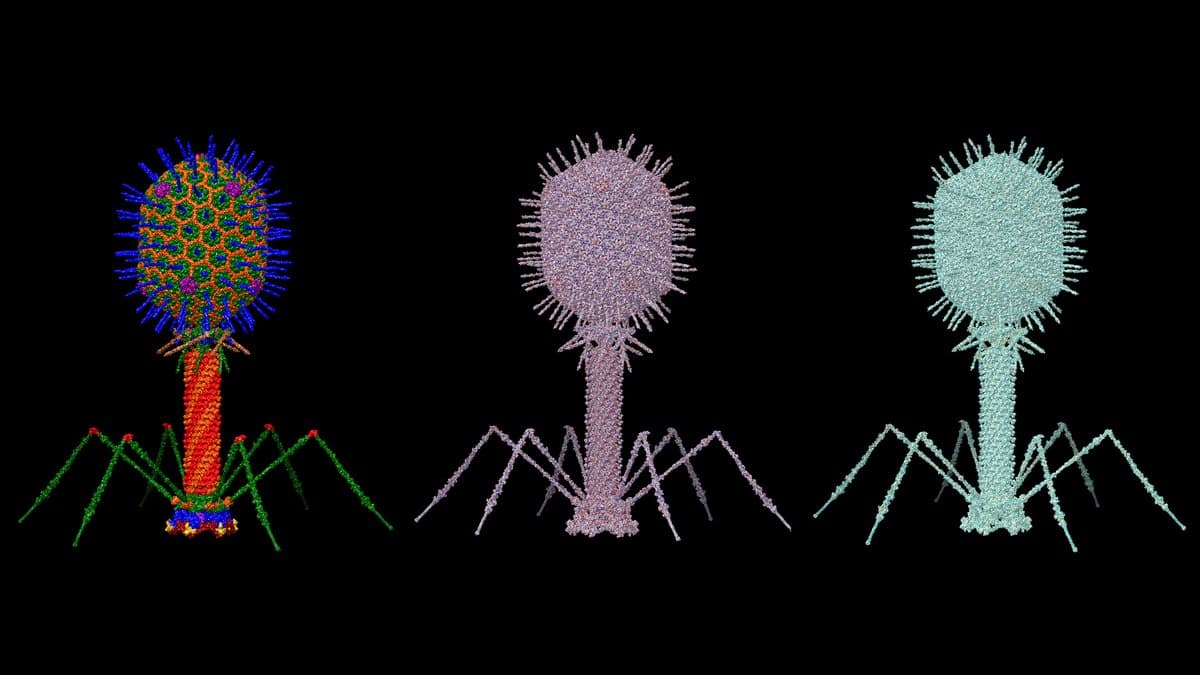
Researchers at the University of California, Berkeley, including Nobel laureate Jennifer A. Doudna, report the discovery of a family of RNA-guided systems that they place ancestral to the earliest parts of CRISPR-Cas, the bacterial immune machinery that gene editing was built from. The team calls them VIPR systems, short for Viral Interference Programmable Repeat, and describes them in two papers published Sept. 17, 2026, in Science.
The systems can be reprogrammed. In the first paper, the group redirected the complex to block transcription, the step in which a gene's instructions are copied out, and demonstrated phage defense that could be aimed at a target of its choosing. A phage is a virus that infects bacteria.
What separates VIPR from CRISPR is how its guide RNA reads DNA. A CRISPR guide pairs with its target along one continuous run of matching letters. A VIPR RNA is built from alternating GGY and NN segments, and only the variable NN pairs do the recognizing, so the stretch of DNA it picks out is gapped rather than continuous.
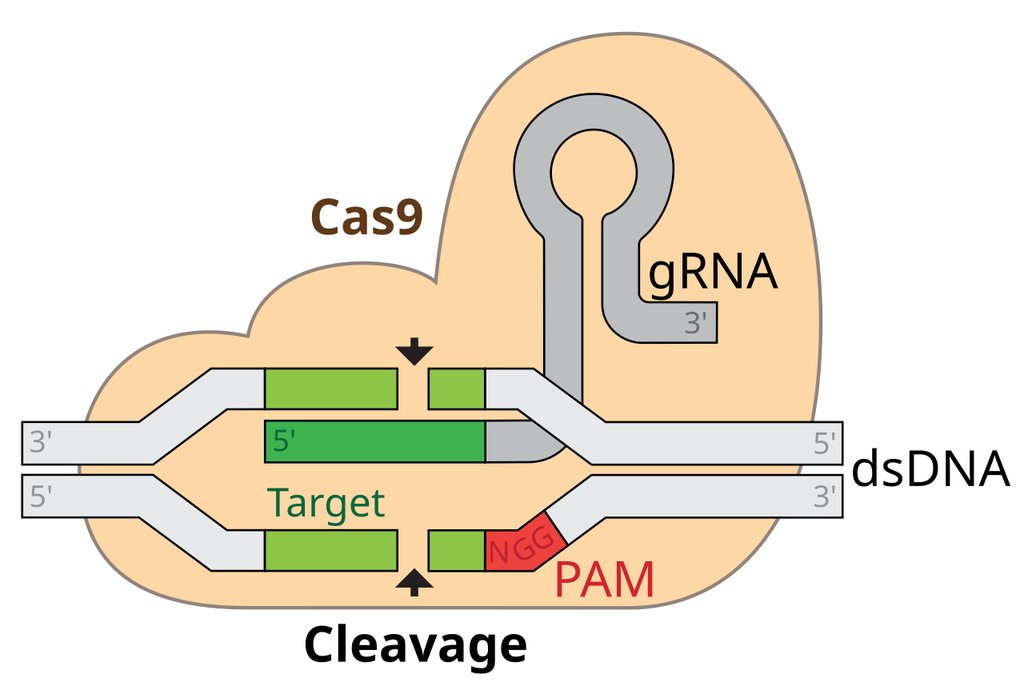
The companion paper reports 21 structures of the complex imaged by cryo-electron microscopy, which freezes a sample and images it with electrons. Vipr proteins stack along the RNA into a right-handed helical filament, and when the complex binds DNA, every third letter is skipped. The RNA-DNA hybrid that results wraps around the other DNA strand to form a three-stranded structure that the authors call a geometric triplex.
The natural targets of these guide RNAs suggest the systems act against competing phages, the authors write, and the results "suggest that adaptive immunity originated from ancient warfare between viruses."