Bat Coronaviruses That Use the Most Receptors Are the Ones COVID Antibodies Neutralize Best
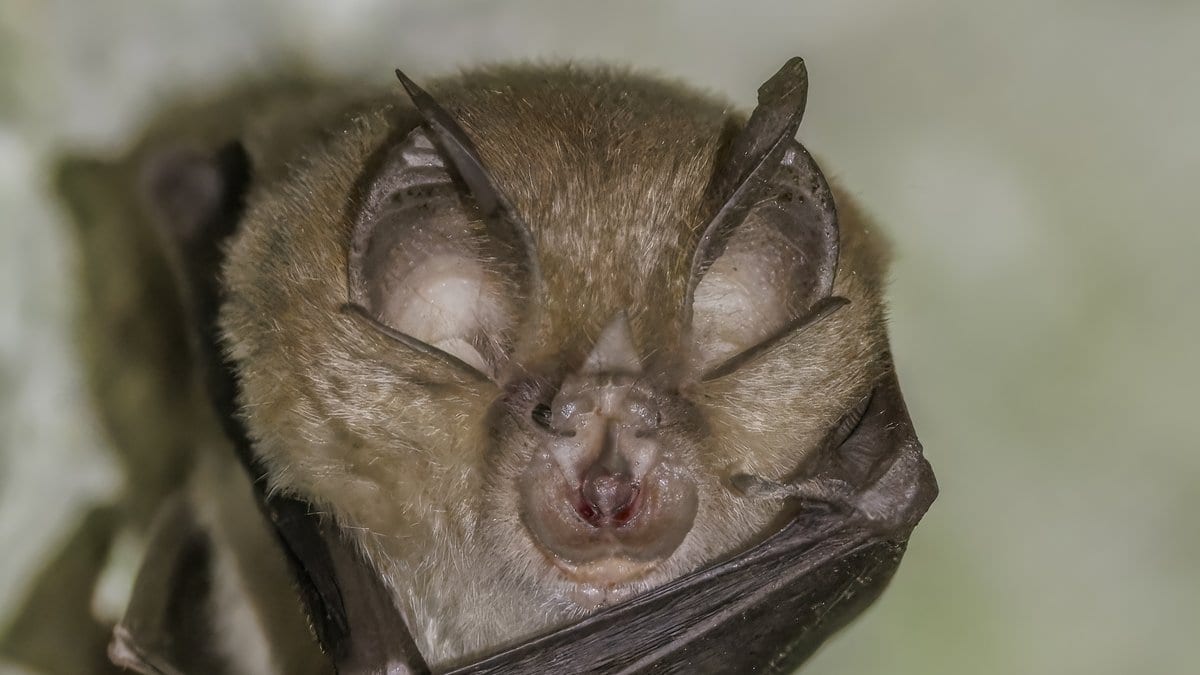
A UK-led group reported on October 1, 2026, that bat coronaviruses able to use the widest range of animal receptors all sit in the same branch of the family as SARS-CoV-2, and that those are also the ones antibodies from people who had COVID-19 blocked most readily.
Writing in PLOS Biology, the authors say the link matters for judging which of these viruses could reach people, and that the antibody targets they pinpointed could guide a vaccine or treatment aimed at the whole group.
Nazia Thakur and senior author Dalan Bailey, both of the Pirbright Institute, and colleagues tested the Spike proteins of 15 bat sarbecoviruses, the group of bat coronaviruses that includes SARS-CoV-2. They screened those Spikes against 16 bat versions of ACE2, the protein these viruses latch onto, plus human, livestock, rodent and monkey versions, and those of possible go-between hosts such as civets, pangolins and raccoon dogs. Nothing was measured in animals or people: entry was scored in cultured cells made to display one receptor at a time, using harmless particles carrying each virus's Spike.
Clade 1, the branch holding SARS-CoV-2 and the BANAL viruses found in Laos, was broad in its receptor use. Clade 3 and clade 5 viruses used few receptors beyond that of the bat species they were found in. A new structure of the Spike of RhGB07, a clade 3 virus from British horseshoe bats, traced that narrowness partly to a short loop; swapping in the equivalent SARS-CoV-2 residues increased its use of human ACE2. The coordinates are public in the Protein Data Bank.
Against COVID-19 convalescent plasma and serum from the UK's Medicines and Healthcare products Regulatory Agency, clade 1 viruses were neutralized strongly, RhGB07 weakly and the clade 5 virus Rc-o319 more weakly still. The cross-neutralization was limited but still detectable across the whole group. Three antibodies isolated from vaccinated people who later caught the virus bound every Spike fragment in the panel except RhGB07's; a companion paper in the same journal explains how. The authors write that, with post-pandemic immunity high, this may mean the spillover risk from the viruses they tested is reduced, and that sarbecoviruses nobody has characterized still need surveillance.
The screen also tracked SARS-CoV-2 itself. The authors report that later Omicron sub-lineages, including XBB, have reduced or lost the use of many bat receptors while keeping broad use of other mammalian ones.
Sources
- PLOS BiologyPeer-reviewed
- journals.plos.org

Medical Disclaimer: This content is provided for general informational and educational purposes only. It is not medical advice and should not be used as a substitute for professional medical advice, diagnosis, or treatment. Always consult a qualified healthcare professional regarding any medical condition, concern, symptom, or treatment decision.