New Heart Valve for Children Can Be Widened as They Grow

The U.S. Food and Drug Administration approved the Autus Size-Adjustable Valve on October 1, 2026, a pulmonary heart valve for children with congenital pulmonary valve disease that is designed to be widened after surgery as the child grows.
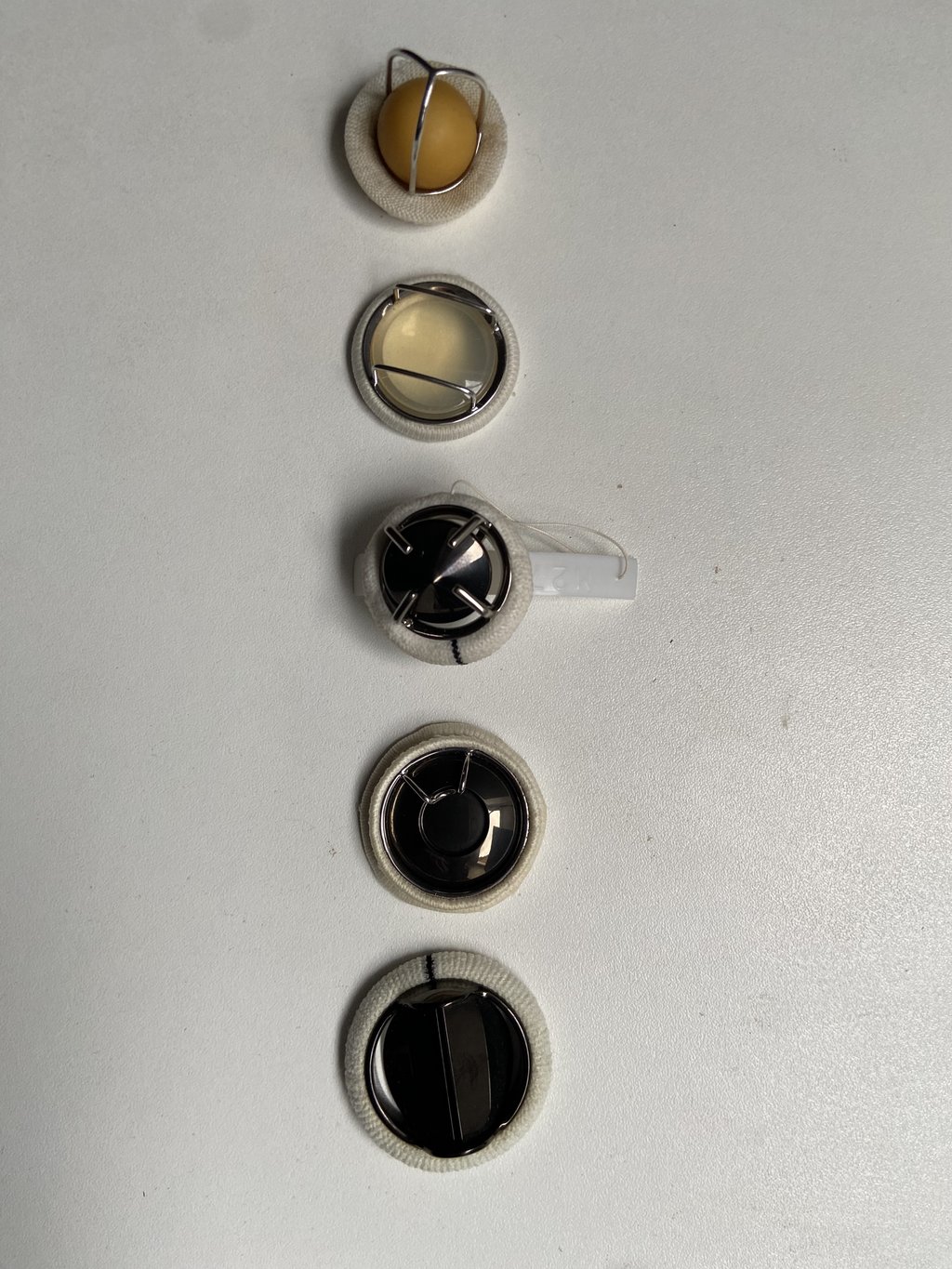
In its announcement, the agency said the valve may reduce the need for repeat open-heart surgeries. Citing the Centers for Disease Control and Prevention, the FDA said narrowed or missing pulmonary valves affect around 4,200 babies in the United States each year.
According to the agency's approval announcement, the valve can be implanted at about 13 millimeters across, roughly the size a toddler or preschool-aged child needs. A balloon catheter, a small inflatable tube, can later widen it to as much as 22 millimeters, comparable to an adult pulmonary valve.
Michelle Tarver, who directs the FDA's Center for Devices and Radiological Health, said the valve gives doctors "the option of far fewer trips to the operating room, which may result in better quality of life for these children and their families."
The approval rests on a clinical study of 62 children at 12 U.S. sites. The FDA reports that at six months the first 60 patients showed acceptable blood flow through the right side of the heart and no more than mild leakage, with no deaths, strokes or clot-related complications. Three children had a fracture in the valve frame and two had reduced movement in one flap, none with symptoms. Two children whose valves began to deteriorate as they outgrew them had them widened without surgery, which the FDA calls limited experience; longer-term studies are continuing.
The agency also says this is the first valve it has approved whose inner flaps, called leaflets, are made from a polymer rather than animal tissue. The FDA said animal tissue tends to harden and break down faster in children, and one-year data suggest the polymer flaps are holding up.
Edwards Lifesciences holds the approval for the valve, which was developed by Autus Valve Technologies and reviewed under the FDA's premarket approval pathway, the route for its highest-risk devices.
Sources

Medical Disclaimer: This content is provided for general informational and educational purposes only. It is not medical advice and should not be used as a substitute for professional medical advice, diagnosis, or treatment. Always consult a qualified healthcare professional regarding any medical condition, concern, symptom, or treatment decision.