Cells Have a Way to Clear out Faulty Sugar Stores, and the Brain Depends on It
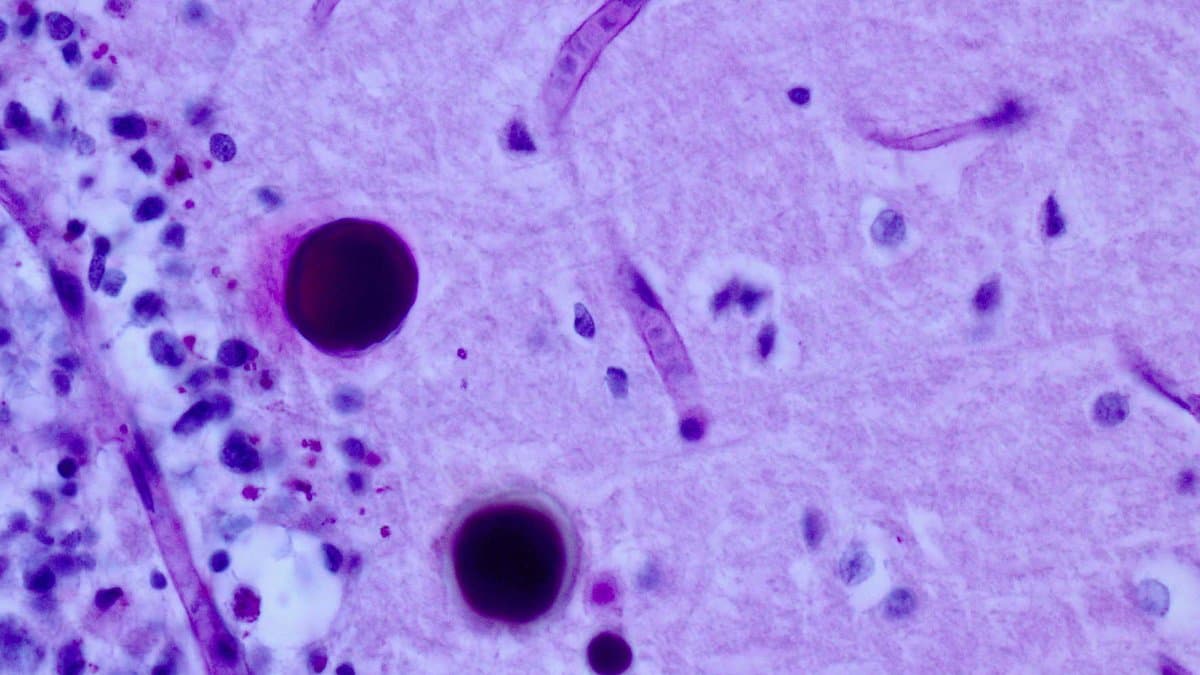
Researchers at the MRC Laboratory of Molecular Biology in Cambridge and the University of Bern report that cells keep watch over glycogen, the body's short-term store of sugar, and destroy the faulty version before it can pile up in the brain.
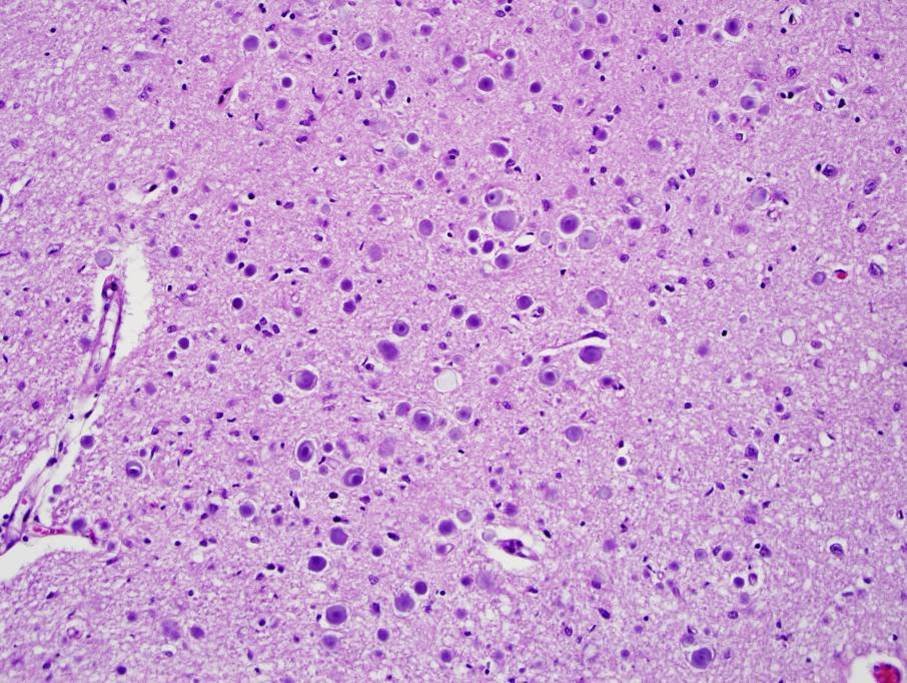
Badly branched glycogen clumps into hard deposits called polyglucosan bodies, and that buildup causes severe disease. Cells were already known to repair damaged DNA and to clear out misshapen proteins; how they check glycogen was not well understood. The paper, published in Nature on Sept. 15, 2026, calls the mechanism it describes previously unrecognized.
The work centers on an enzyme called RNF213 and was done in mice and in engineered cells. First author Matthew C. J. Yip, senior author Felix Randow and colleagues found that mice whose RNF213 had been stripped of its tagging activity accumulated polyglucosan in three parts of the brain: the cerebellum, the pons and the hippocampus. In the engineered cells, RNF213 attached ubiquitin, a small marker that flags material for disposal, to the abnormal glycogen while leaving the normal kind alone. The tagged clumps drew in three of the cell's disposal receptors, which pulled them into the sacs where unwanted material is digested.
How the enzyme tells good glycogen from bad comes down to one part of it. The team froze RNF213 bound to a short sugar chain from glycogen and imaged it, finding that a region called the CBM20 domain grips straight chains of sugar units. Breaking that grip made RNF213 start tagging healthy glycogen as well, which the authors read as evidence that the domain holds the enzyme back from normal stores.
The paper concludes that RNF213 prevents polyglucosan from accumulating in astrocytes, one of the brain's support cells, by tagging the deposits directly, and presents that as a role for ubiquitin tagging that reaches beyond proteins.
Sources
- NaturePeer-reviewed

Medical Disclaimer: This content is provided for general informational and educational purposes only. It is not medical advice and should not be used as a substitute for professional medical advice, diagnosis, or treatment. Always consult a qualified healthcare professional regarding any medical condition or treatment decision.