Chemists Make Hard-To-Glue Plastic Stick, Without Changing the Plastic Underneath
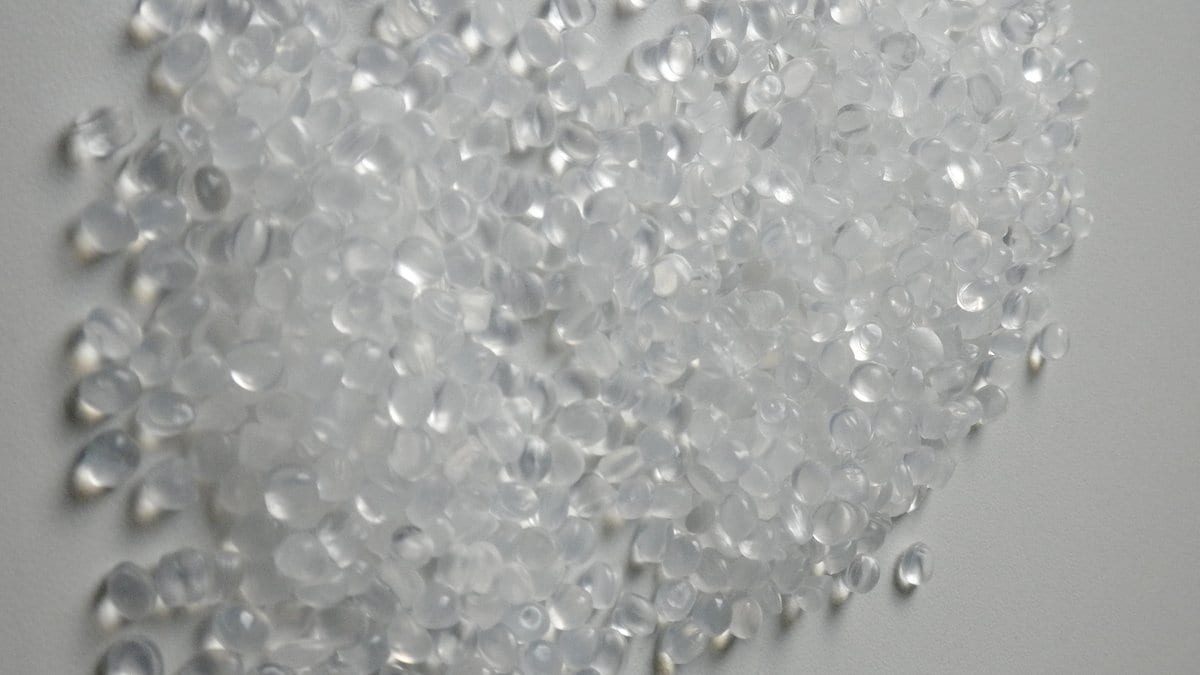
Chemists at the University of California, Berkeley, and Lawrence Berkeley National Laboratory have changed the chemistry of solid polyethylene at its surface alone, leaving the material underneath untouched. Their report was published Oct. 13, 2026, in Nature.
Polyethylene accounts for more than a quarter of all plastic produced, the authors write, and in its pristine state it lacks properties that many commercial uses need, adhesion among them. Adding those properties by treating the whole polymer in a uniform liquid disturbs the bulk properties the plastic was chosen for. The paper demonstrates a treatment that works on the plastic while it is still solid and reaches only the outer layer. The authors report that the treated material kept bulk properties, including its melting temperature and its tensile strength.
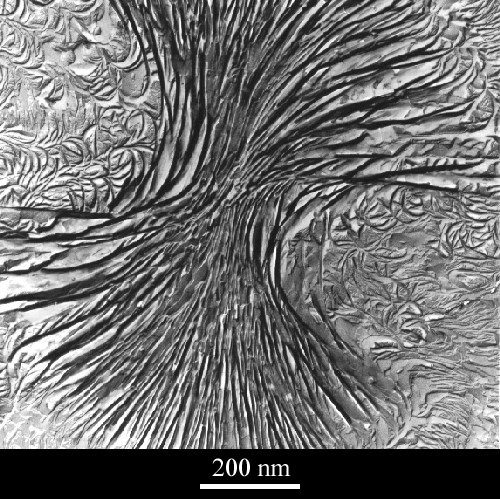
The treatment is applied at the boundary between the solid plastic and a liquid. According to the paper, the reaction uses 0.001 mol% of an iron catalyst and oxidants the authors describe as inexpensive, and runs at temperatures below 80 °C. It converts methylene units in the polymer chain into ketones, oxygen-bearing groups that polar materials can bond to.
Both adhesion figures the authors give are comparisons against a stated control. They report that polyethylene treated this way adhered to polar surfaces up to 90 times more strongly than pristine polyethylene, and up to four times more strongly than polyethylene treated throughout in a uniform liquid to a comparable degree.
The paper also reports that the surface ketones can be modified afterward to increase adhesive strength further, and that the improved surface properties lasted longer than they did after treatments that are not confined to the surface. The authors describe the method as producing materials that neither treatment of the bulk polymer nor traditional surface oxidation can reach. Cristian P. Woroch of Berkeley's Department of Chemistry and the Molecular Foundry at Lawrence Berkeley National Laboratory is the paper's first author; John F. Hartwig, also at Berkeley's Department of Chemistry, is its corresponding author.
Sources
- NaturePeer-reviewed