An AI Model Turned Written Descriptions Into Working Proteins
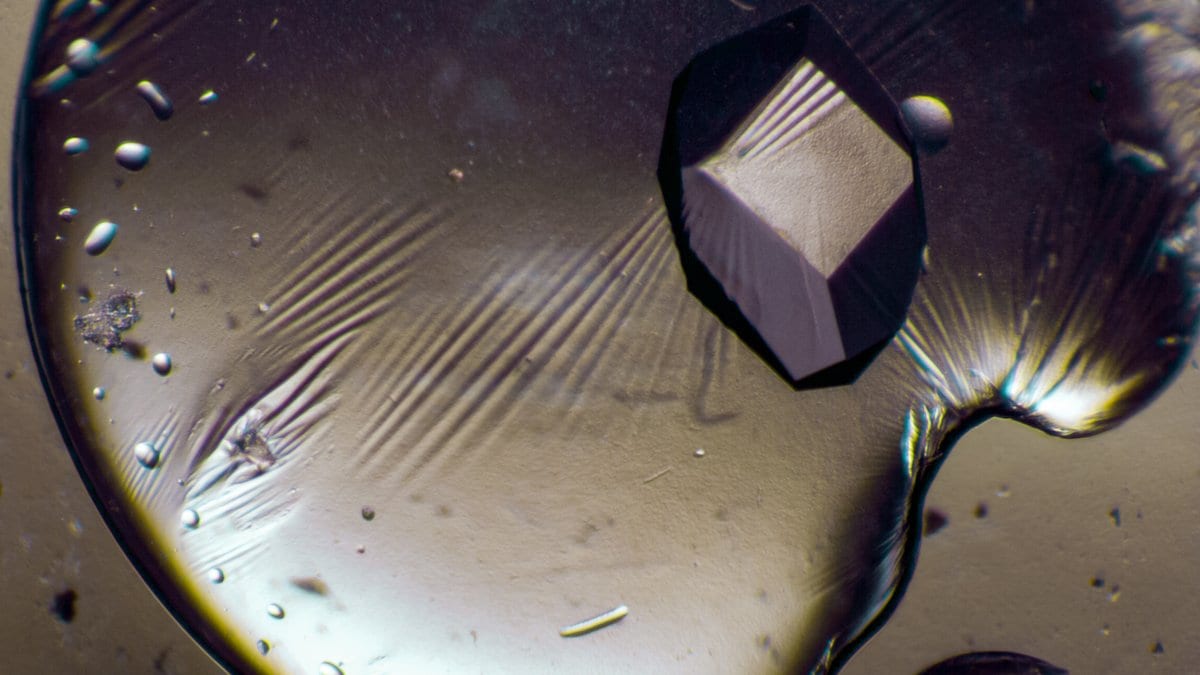
A model given plain-language descriptions of four different protein jobs produced candidate designs for each, and every design showed the intended function in laboratory tests, according to a paper published Oct. 21, 2026, in Nature.
The authors write that the protein design models in use today need either a natural protein as a starting point for improvement or the functional goal rewritten by hand into geometric and sequence-level constraints. Their model, Pinal, takes the description of the wanted function as its input instead.
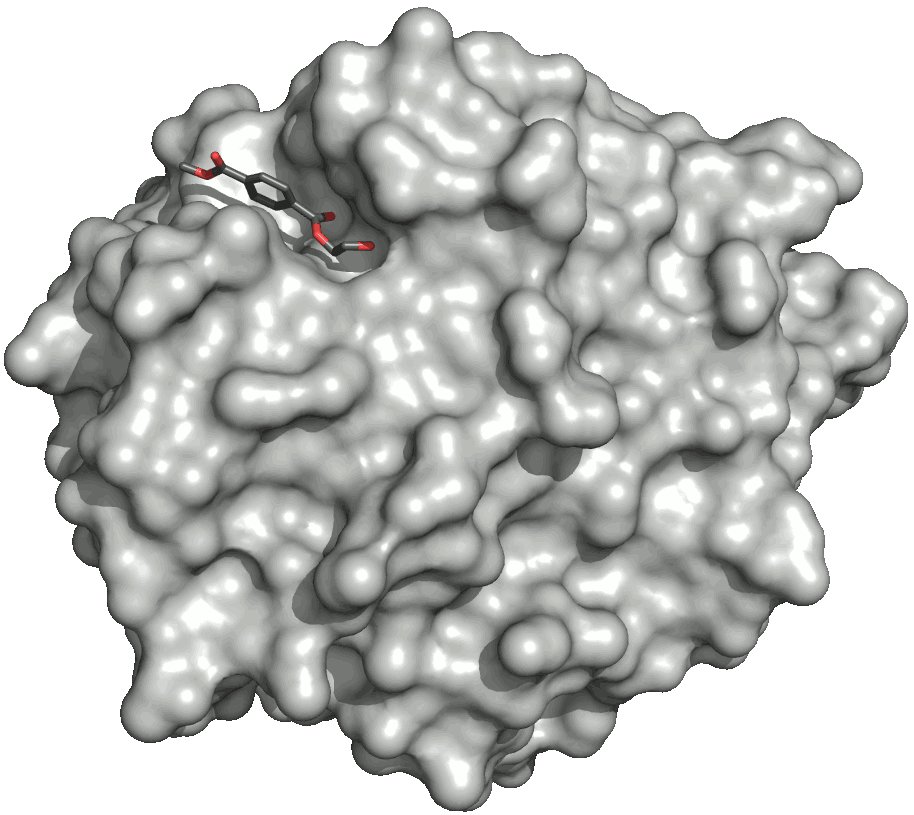
Pinal was given descriptions of a fluorescent protein, an enzyme that breaks down the plastic PET, an enzyme that processes alcohols and an H-protein, a helper in a pathway that captures carbon dioxide. The authors report that both designed enzymes were active, driving the chemical reactions they were meant to drive.
The authors add that in that pathway, the designed version raised the amount of product 1.7-fold over the corresponding natural H-protein of Escherichia coli, a bacterium widely used in laboratories, and that it did so with no round of experimental optimization, the usual cycle of testing variants and adjusting them.
Pinal has 16 billion parameters and was trained on 1.7 billion pairs of protein and text, with the text generated automatically rather than written by people. The authors' own computer evaluations scored the candidates as likely to fold into stable shapes, as matching their descriptions and as varied in sequence.
Fengyuan Dai and colleagues conclude that the findings support natural language as a way to generate candidate proteins for testing, with less reliance on structural or sequence constraints specified by hand.
Sources
- NaturePeer-reviewed