Physicists Hold a Single Particle of Antimatter in a Trap for Months
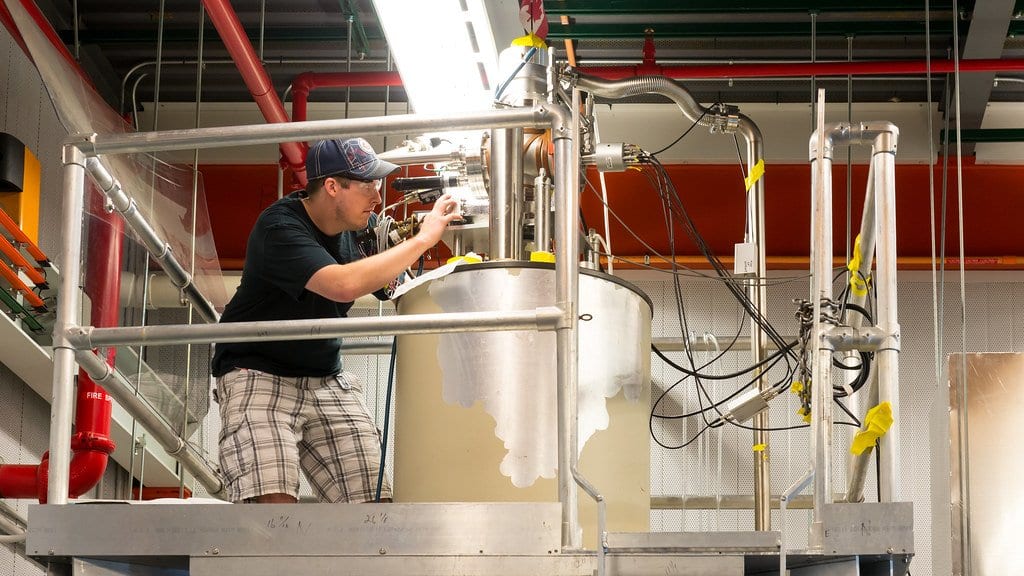
Northwestern University physicists have captured a single positron, the antimatter twin of the electron, suspended it in a trap built from electric and magnetic fields, and driven it between individual quantum energy levels one step at a time. The report was published Oct. 21, 2026, in Physical Review Letters, with Thomas Myers, a doctoral student, as first author and Gerald Gabrielse, who directs Northwestern's Center for Fundamental Physics, as senior author.
The paper says the setup opens the possibility of measuring the positron's magnetic moment, the strength of its tiny magnetism, far more precisely than earlier methods allowed. The authors write that comparing that value with the electron's should give the most stringent test of CPT invariance, the rule that matter and antimatter must mirror each other. That comparison has not been made.
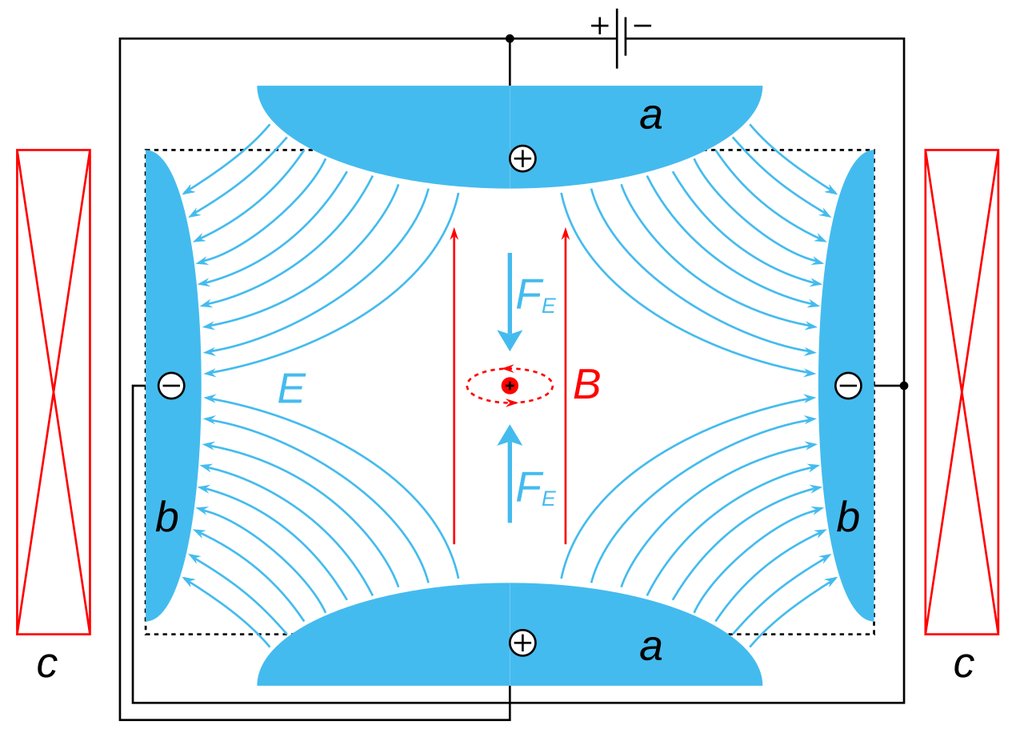
Positrons for the experiment came from sodium-22, a radioactive isotope that throws them out at high energy, according to Northwestern's release. The team slowed one down, guided it into the trap's near-perfect vacuum, where it never touches ordinary matter, and cooled the interior to about 0.3 degrees above absolute zero. Tuned microwaves then added small, measured amounts of energy, so that each quantum jump could be seen as it happened. "We actually coaxed this very fast positron to sit there and behave for months at a time," Gabrielse said.
Paolo Crivelli of ETH Zurich, in an independent commentary published by the American Physical Society's Physics magazine, puts the sharpest existing comparison of the two particles at a 1987 experiment, which found them equal to within 2.1 parts per trillion, and says the new apparatus opens a path toward a 30-fold improvement for the positron. He also writes that it does not yet deliver that precision, and that loading a single positron takes 8 to 11 hours.
"Current theories suggest that there will be no difference in the two measurements," Gabrielse said. The work was supported by the National Science Foundation.
Sources
- Physical Review LettersPeer-reviewed