Drying out in the Air Damages TB's DNA and Helps Resistant Strains Survive
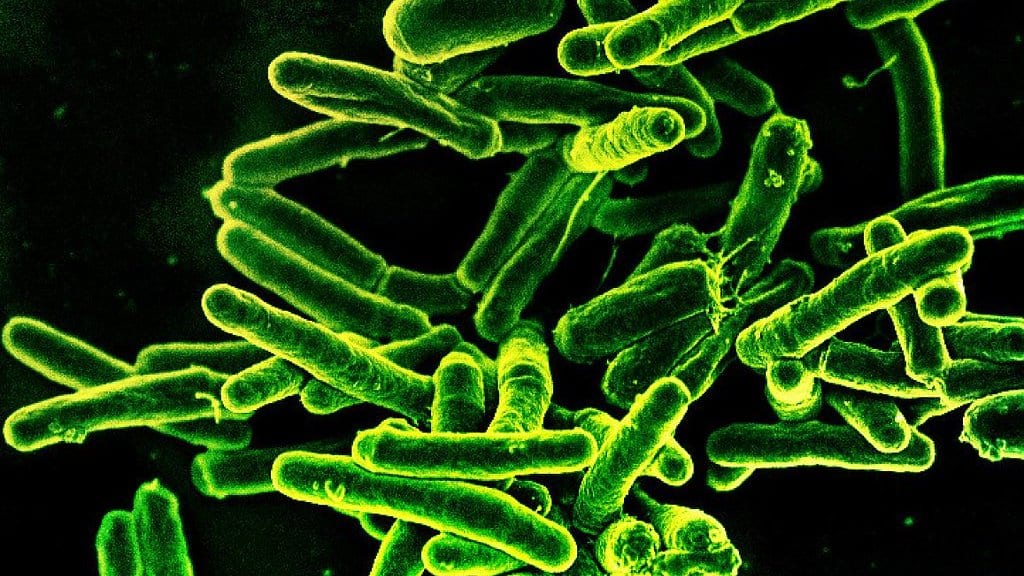
Tuberculosis bacteria take DNA damage as they dry out inside the airborne droplets that carry them from one person to the next, and that damage switches on a repair system that helps rifampin-resistant strains survive the journey, researchers report in Nature Microbiology.
The study, published online on August 26 by a team led from Weill Cornell Medical College, mounted Mycobacterium tuberculosis on a filter platform and exposed it to varying levels of humidity, tracking which genes the bacteria switched on and how their internal chemistry changed as they dried and were rehydrated.
Drying increased oxidative stress, oxidative damage and double-stranded DNA breaks, the authors report, and activated DNA repair responses the bacteria needed to survive.
One of those was mfd, a repair factor that acts on genes while they are being read. Its expression rose during drying, and the authors report that the increase buffered the fitness cost of specific mutations in rpoB, the gene targeted by the frontline TB drug rifampin. When the team silenced mfd during aerosolization, the step that generates airborne droplets, survival was specifically impaired in strains carrying S450L, which the paper describes as the most common rifampin-resistance allele.
The authors state that this function is supported epidemiologically by their whole-genome sequence analysis of 51,229 clinically circulating strains.
The paper does not claim a proven route to resistance. The studies, the authors write, "suggest that transmission-associated desiccation-induced DNA damage is a potential source of genetic diversification that can potentiate antibiotic resistance."
The paper opens by noting that M. tuberculosis depends on spreading from host to host to survive as a species, and that knowledge of the traits supporting transmission "is lacking." Co-authors are based at the Rockefeller University, the Center for Discovery and Innovation at Hackensack Meridian Health, Cornell University and the University of North Carolina School of Medicine.
Sources
- Nature MicrobiologyPeer-reviewed

Medical Disclaimer: This content is provided for general informational and educational purposes only. It is not medical advice and should not be used as a substitute for professional medical advice, diagnosis, or treatment. Always consult a qualified healthcare professional regarding any medical condition, concern, symptom, or treatment decision.