Malaria Parasites Need One Protein to Turn Stress Into Transmission
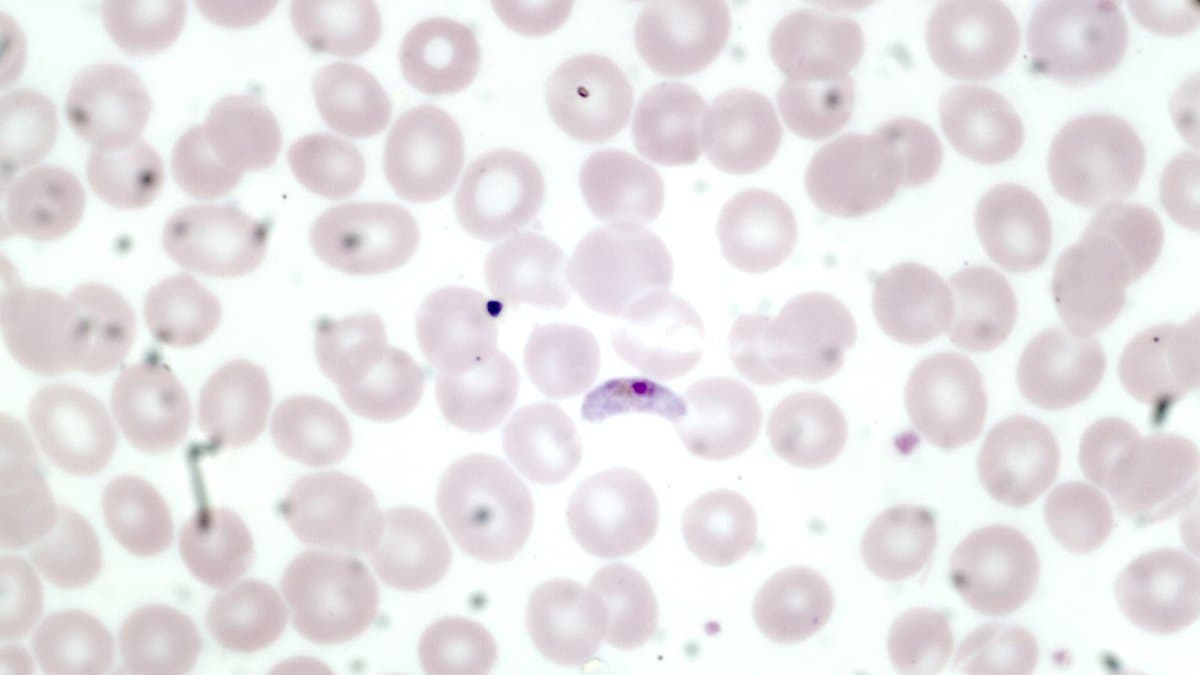
A protein called AP2-HS is required before stress in human blood can push the malaria parasite Plasmodium falciparum into the form that mosquitoes pick up, researchers at the Barcelona Institute for Global Health (ISGlobal) report. Their study was published in Nature Microbiology on Sept. 17.
That change of form is how malaria keeps circulating. An infection reaches a mosquito only when some parasites stop multiplying and turn into gametocytes, a non-replicating sexual form. Conditions that stress the parasite in the bloodstream are known to raise the rate at which they do it. The paper describes a control system that lets the parasite adjust how much it invests in transmission depending on the stress it meets.
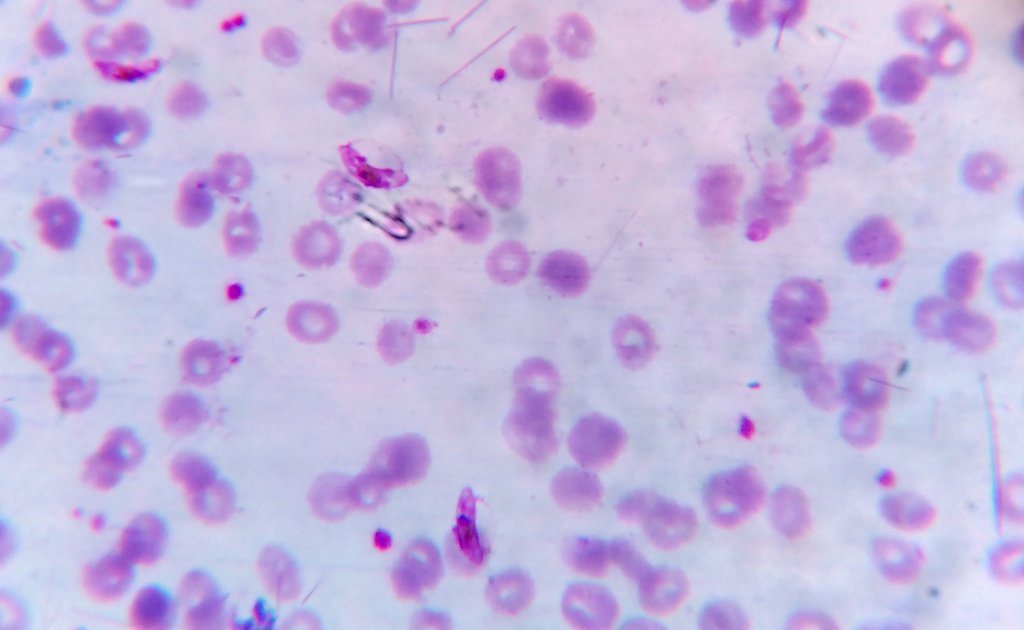
Two parts of the switch were already known: a transcription factor called AP2-G, a protein that turns genes on, triggers the conversion; and a protein called GDV1 acts as its upstream activator. What was unclear was how the blood environment feeds into that chain. Working with cultured parasites, the ISGlobal group reports that AP2-HS is required for stress to switch on the gdv1 gene and for the conversion to follow, and that AP2-HS activates some pathways while repressing others.
Switching on gdv1 also starts a loop that runs in both directions. The GDV1 protein strips the silencing from the stretch of DNA that switches on gdv1-as, an RNA copied from the opposite strand of the same gene; and gdv1-as then represses GDV1 in turn.
The sequencing data behind the paper are deposited in public repositories and the analysis code is posted on GitHub. The work was supported by the La Caixa Banking Foundation and by Spain's Ministry of Science and Innovation.