The Same Pension Reminder Nudged Some Savers and Set Back Others
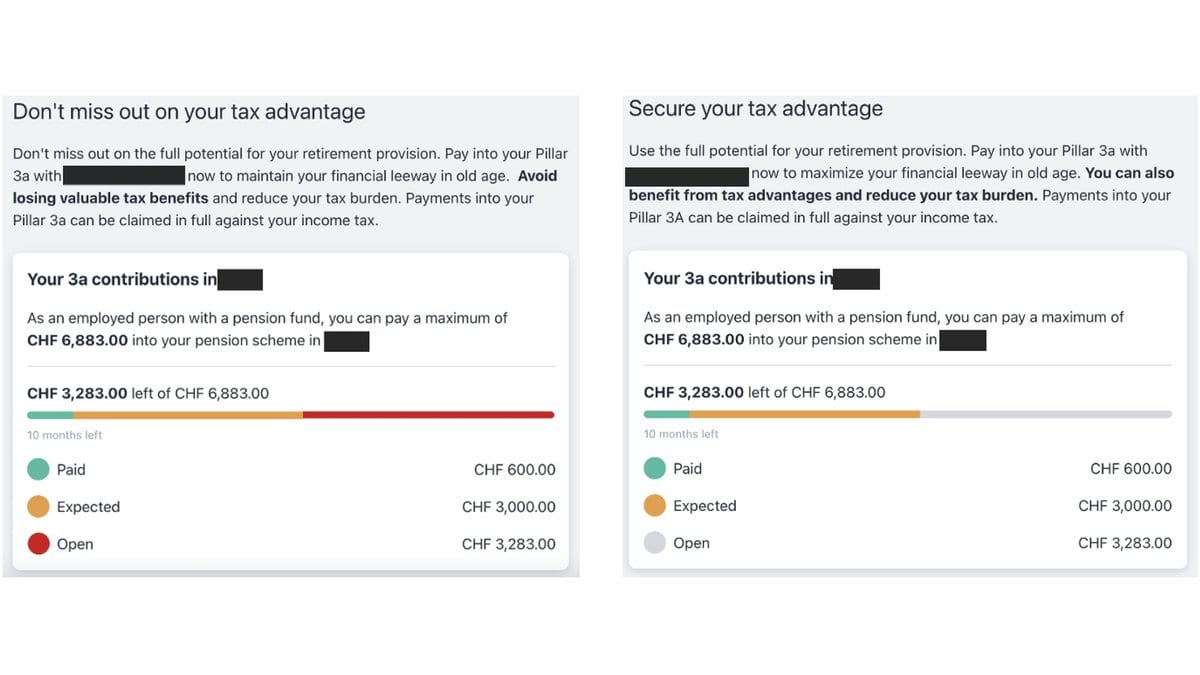
Reminders that framed extra pension contributions as avoiding a loss worked about as well on average as reminders that framed them as a gain, researchers at Paderborn University and LMU Munich report from two randomized experiments with a European retirement savings company. The average concealed a split: the same loss wording raised participation for some customers and lowered it for others.
The study was designed to test not whether framing works but which frame works for whom. The authors write that looking only at averages can make an intervention look useless when a positive response in one group cancels out a negative one in another, and that knowing who responds to what lets a provider tailor its messages. The work was published Nov. 2, 2026, in Scientific Reports.
Across the two experiments, 41,207 customers were randomly assigned to one wording or the other in the company's annual reminder about their remaining tax-deductible allowance. The first ran in 2021 and trained the model; the second ran in 2022 and was held back to test its predictions on customers it had not seen. The method, causal machine learning, estimates effects person by person.
The authors report that for the quarter of customers the model predicted would respond most to loss wording, loss framing raised the share that contributed by 9.4 percentage points over gain framing. For the quarter predicted to respond most to gain wording, loss framing was expected to lower that share by 8.4 points. On how much customers paid in, the pattern repeated: loss framing raised contributions for most contributors and reduced them for the rest.
The authors estimate that matching the frame to the customer would raise participation by 51% against sending everyone a loss-framed message. That figure is a projected value for their rule, calculated from the second experiment's data rather than measured in an experiment that used it.
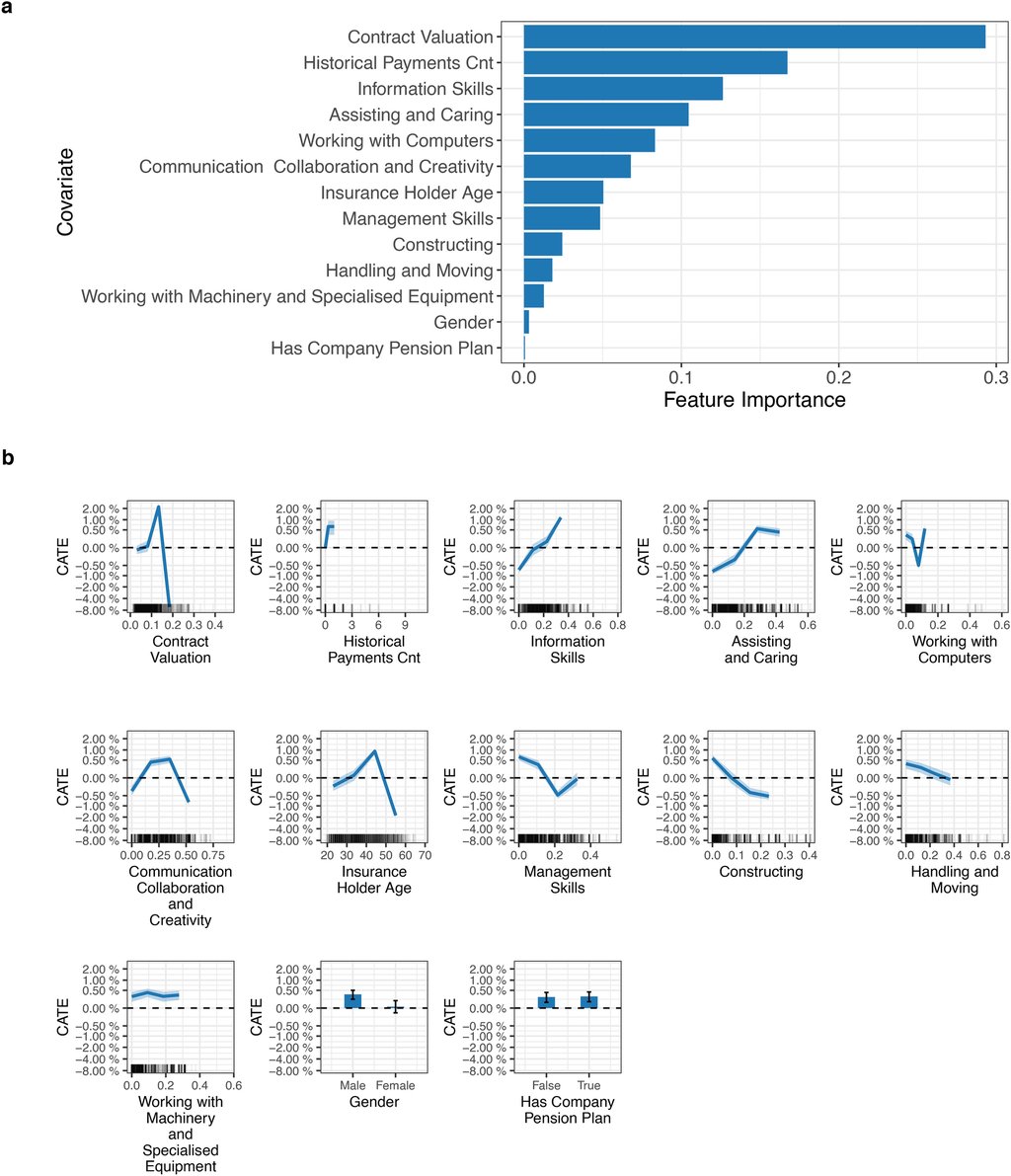
The paper reports that gain wording tended to work better for older customers and for those with many extra contributions in the past, and loss wording for customers with strong information-processing skills.
Sources
- Scientific ReportsPeer-reviewed