Some Populations Grew After One of the Biggest Eruptions Since the Ice Age
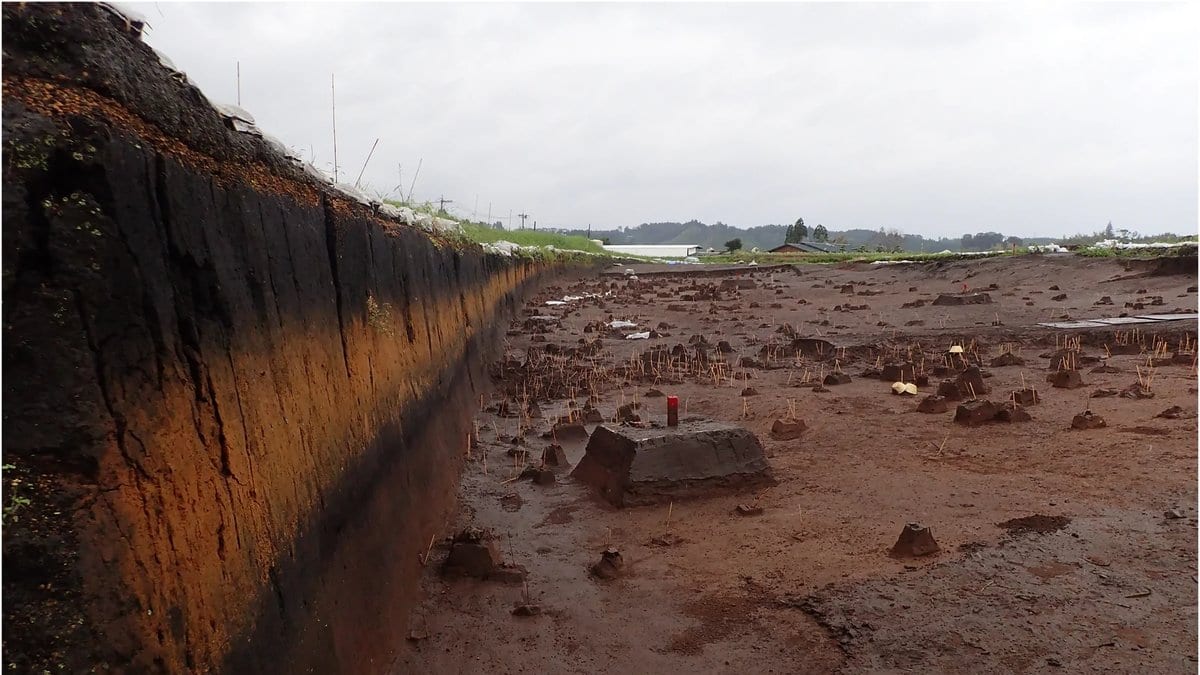
Archaeologists who modeled prehistoric population trends in Japan report that one of the largest volcanic eruptions since the last ice age did not affect every community around it the same way. Populations collapsed in the regions closest to the volcano and grew in some areas almost as close.
The work enters a long argument over whether a huge shock to the environment ends a society or is absorbed by it. The paper, published Oct. 14, 2026, in Science Advances, states that the question has been debated intensively while few studies place such catastrophes inside longer-term population trends, and that it sets out to close that gap.
Enrico R. Crema of the University of Cambridge, Peter D. Jordan of Lund University and colleagues used statistical models to infer both the demographic effects and the effects on the environment of the Kikai-Akahoya eruption on Jomon foraging communities, the hunter-gatherers then living across the Japanese archipelago. The authors say the eruption devastated East Asia about 7,300 years ago.
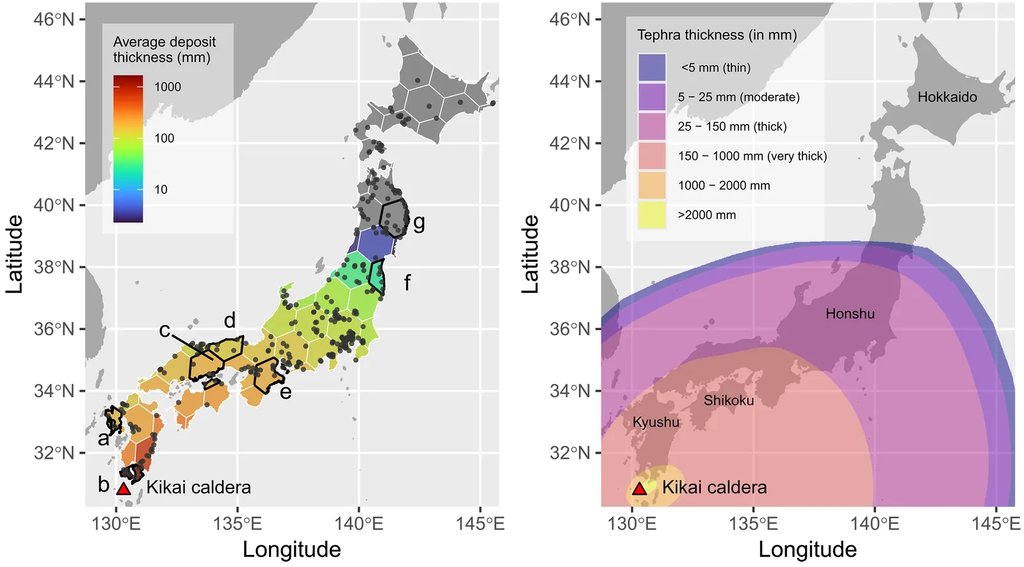
Their models find evidence of major population collapse in the regions immediately next to the volcano, an increase in some populations near it after the catastrophe, and effects on some communities far away that the authors say have been overlooked until now.
The paper says the eruption has traditionally been cast as an apocalyptic "forcing" mechanism that changed the direction of Japanese prehistory, and that its own results point instead to a more complex and contingent set of outcomes. The authors argue that looking at ancient disasters through population numbers helps show the varied ways societies cope with sudden shocks.
Crema is in Cambridge's Department of Archaeology and Jordan in the Department of Archaeology and Ancient History at Lund; their co-authors are at Kyushu University, the University of Oulu and Aarhus University. The paper lists funding from the European Research Council, the Japan Society for the Promotion of Science and the Swedish Research Council.
Sources
- Science AdvancesPeer-reviewed