Ancient DNA Points to Contact Across Ice Age Europe
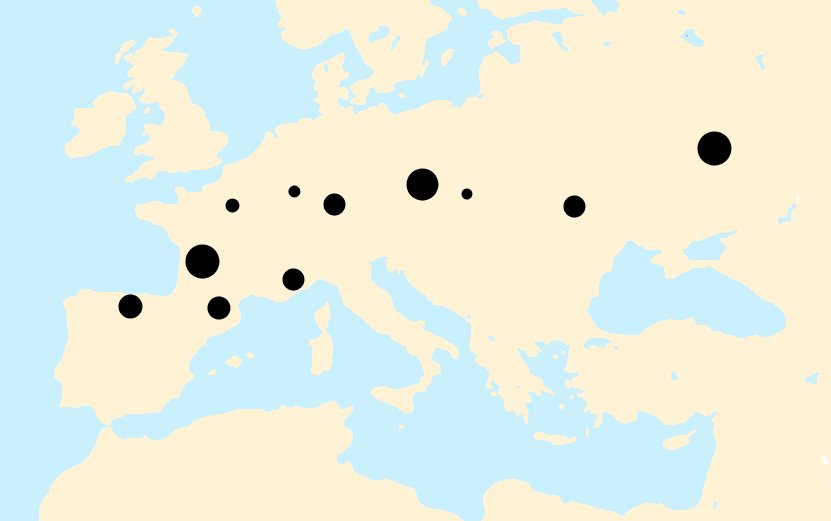
A team led from the University of Vienna has published genome-wide DNA from three people who lived in Europe during the Gravettian, a period that ran from about 34,000 to 25,000 years ago. The analyses turned up gene flow between eastern and western groups of that period in southwestern Europe, something earlier work had not detected.
Pere Gelabert, Ron Pinhasi and colleagues write in Science Advances that genetic data from this stretch of the ice age are scarce, which limits how well the population movements of the time can be reconstructed. The paper was published Oct. 23, 2026. The authors report that the new genomes challenge models in which populations in southwestern Europe stayed genetically continuous across the periods before and after the Gravettian.
They come from Chufín in Spain and Isturitz in France, both in the Franco-Cantabrian region, and from Italy, where the individual sampled is known as Ostuni1b. Gravettian groups were spread across Europe and genetically varied; they included the ancestry lineages researchers call Fournol and Věstonice.
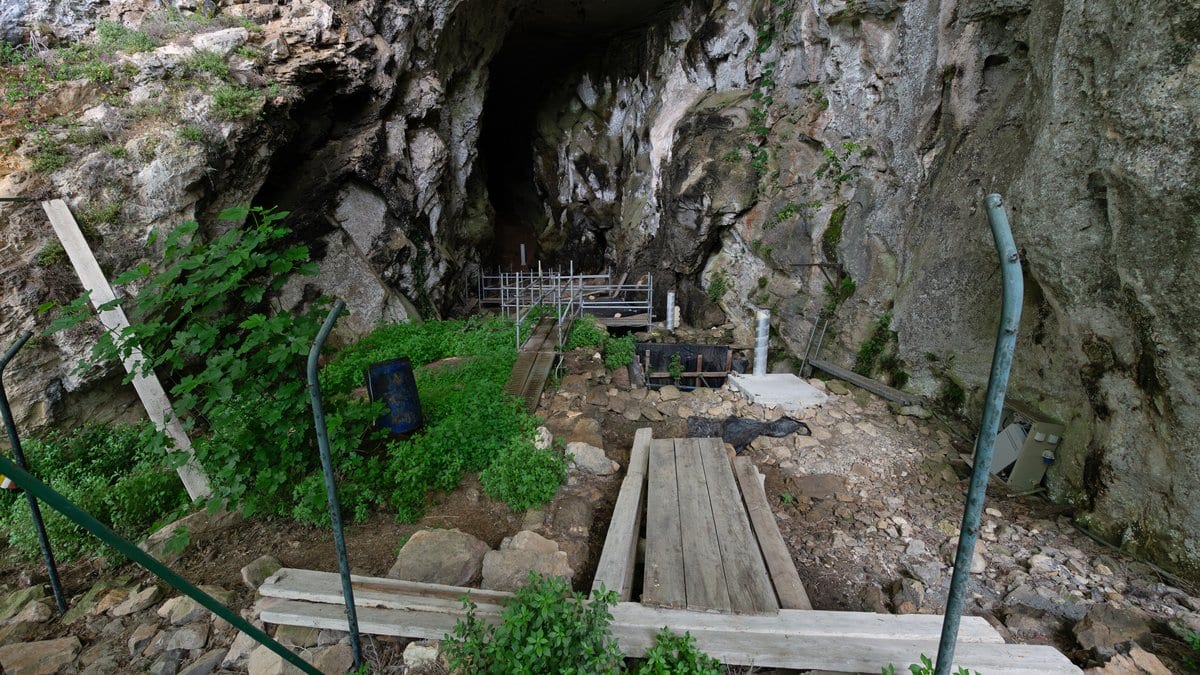
Human skeletal remains are extremely rare from the Last Glacial Maximum, the coldest phase of the ice age, so the team looked for DNA in the cave sediment instead. It sequenced material from a layer on the floor of El Mirón Cave in Cantabria, Spain, dated to about 22,000 calibrated years before the present. From it, the team recovered about 14,000 points in the human genome where people differ.
The authors conclude that the sediment data support the persistence of Fournol-related ancestry in southwestern Europe throughout the Last Glacial Maximum.
Co-authors are listed at institutions in Austria, Spain, France, Italy and the United States.
Sources
- Science AdvancesPeer-reviewed