Most of the World's Glacier Loss Comes From the Few That End in Water
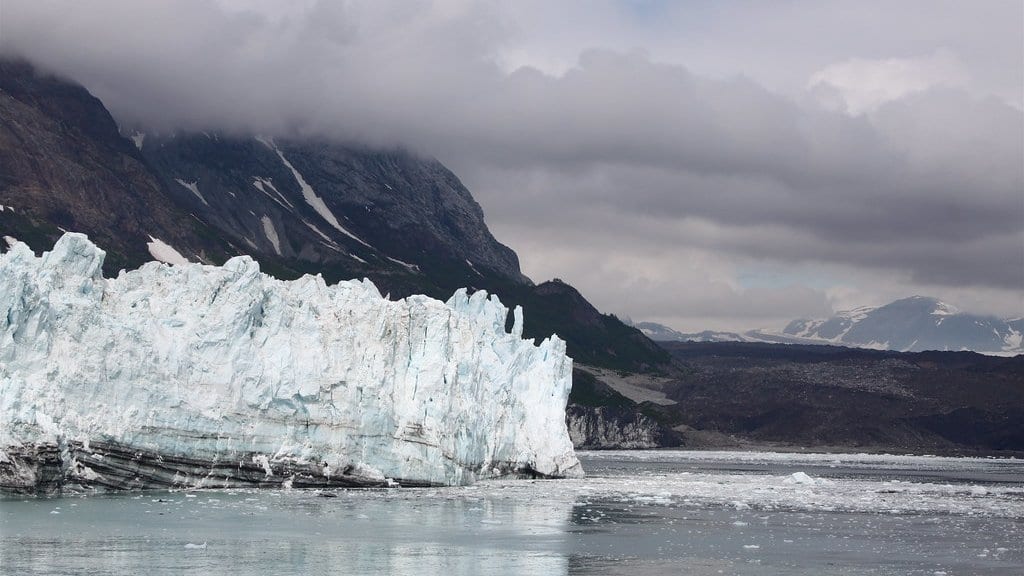
A global classification of glacier endings published Oct. 23, 2026, in Nature Communications reports that glaciers ending in a lake, in the sea or against an ice shelf are 3.2% of the world's glaciers and account for over half of all glacier area and mass loss.
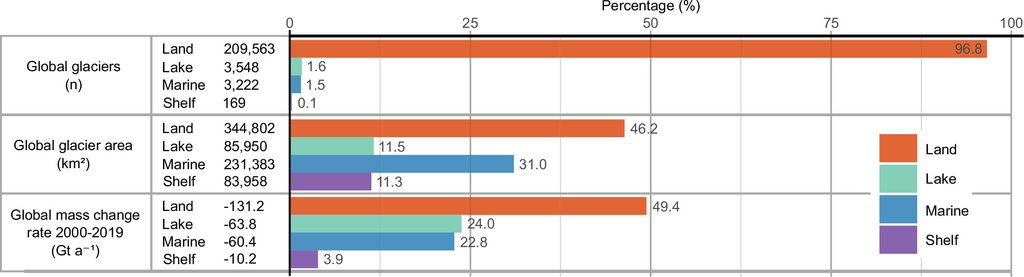
Joseph Mallalieu of the University of Birmingham, Cassandra L. Raby of the University of Leeds and colleagues describe the classification and the inventory behind it as a foundation for glacier models, which they say mostly leave out glaciers that end in lakes and simplify those that end in the sea. Those models underpin projections of sea-level rise, regional water supplies and glacier hazards.
The team sorted the roughly 216,000 glaciers in the Randolph Glacier Inventory into land, lake, marine and shelf endings, then matched them to existing global datasets of glacier speed, ice thickness, mass change and climate.
After accounting for climate, ice thickness, slope and elevation, the paper reports that glaciers ending in lakes flow 10% faster on average than land-ending ones, and those ending in the sea 44% faster. Mass loss per unit of glacier area is highest at lake-terminating glaciers, 57% greater than at glaciers ending on land or in the sea. The authors report all three figures as associations with the type of ending, not as measured causes. Their lake category counts every glacier touching a lake at its end, whatever the degree of contact, which they say makes those differences conservative.
The Randolph inventory itself flagged lake endings in only three of its 19 regions; the authors found them worldwide in an existing satellite survey of glacial lakes. Glacial lakes are growing more numerous, turning land-terminating glaciers into lake-terminating ones, while marine-terminating glaciers around the Arctic retreat onto land. The paper concludes that the two shifts work in opposite directions, with newly lake-terminating glaciers expected to lose more mass per unit area.
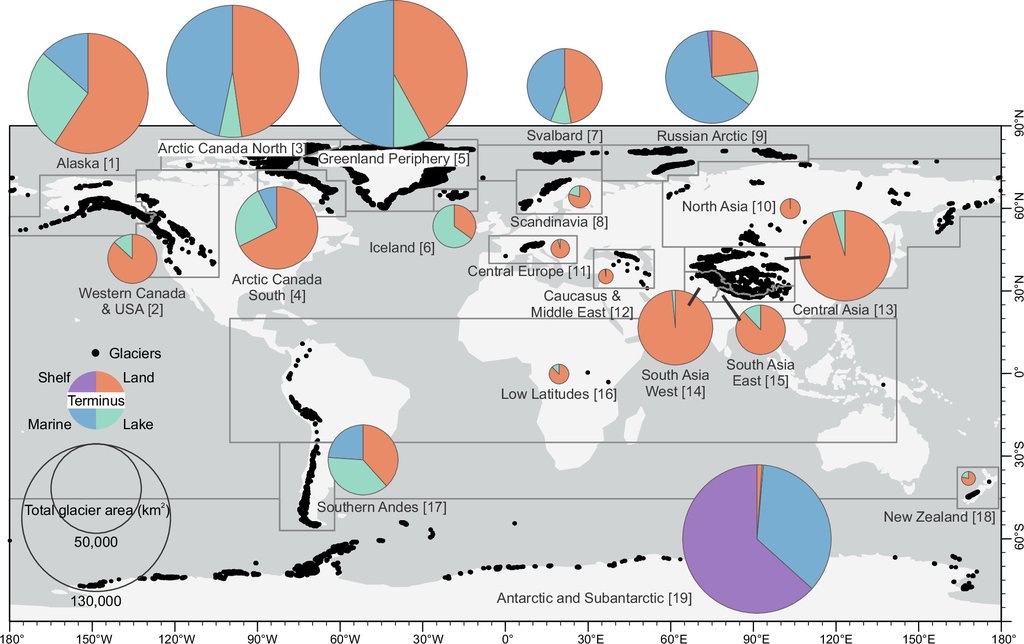
The terminus inventory, the underlying database and the analysis code are public on Zenodo and GitHub, and the paper is open access under a CC BY license.
Sources
- Nature CommunicationsPeer-reviewed