A Bat Virus Tied to Human Illness Shows up in a Species Not Known to Carry It
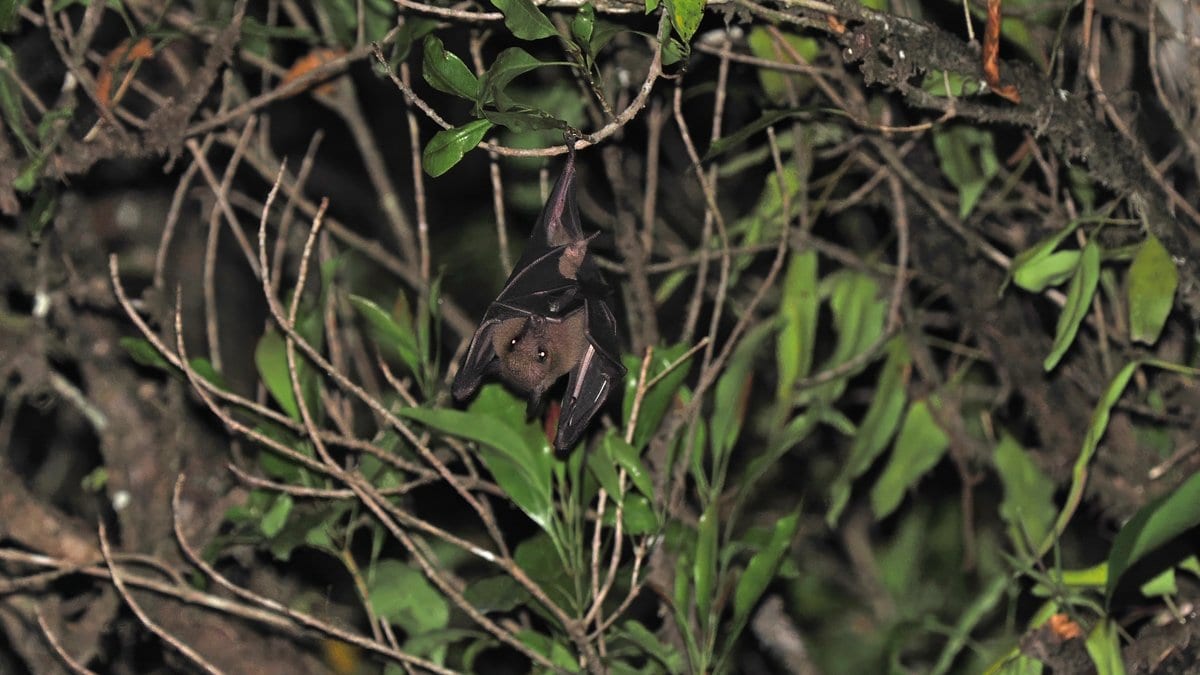
Researchers in Indonesia have recovered a bat virus linked to respiratory illness in people from fruit bats sold for food in West Java, in a study posted Oct. 23, 2026, as an Early Release by the U.S. Centers for Disease Control and Prevention journal Emerging Infectious Diseases.
The authors report no human cases. What the paper describes is a surveillance finding: the bat species the virus came from, Rousettus amplexicaudatus, had not been reported as a host for these viruses, and continued watching at the places where people and bats meet will be needed to judge whether new viruses are emerging.
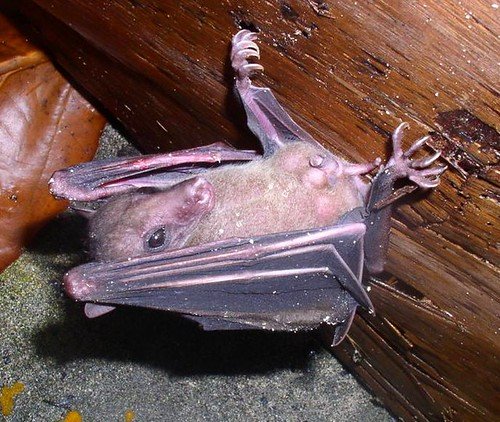
Ni Luh Putu Indi Dharmayanti of the National Research and Innovation Agency in Cibinong, Indonesia, and colleagues sampled 182 fruit bats during 2020 and 2021 from animal markets and bat suppliers in Central Java, Yogyakarta and West Java, taking swabs without killing the animals. They grew the swab samples on cells in the laboratory and sequenced the ones that damaged those cells. Two carried the virus, both from R. amplexicaudatus bats bought from a bat collector in Cianjur, West Java, where bats are sold for people to eat.
The authors recovered nine of the virus's ten genome segments; the missing one, S1, is the most variable and was probably too scarce in the samples to detect. The two viruses were nearly identical except in one segment, S2, where they matched at 88.9%, a difference that the authors read as a sign of reassortment: the swapping of genome segments between strains already circulating locally.
The authors trace the link to human illness to 2006, when a patient with a known exposure to a flying fox fell ill with respiratory symptoms; the agent was later named Melaka virus. The paper's family trees place the two viruses closest to Garut-69, a strain found earlier in Indonesian flying foxes and previously tied to human infections.
The sequences are deposited in GenBank. The journal states that Early Release articles are not considered final versions and may change before official release.
Sources

Medical Disclaimer: This content is provided for general informational and educational purposes only. It is not medical advice and should not be used as a substitute for professional medical advice, diagnosis, or treatment. Always consult a qualified healthcare professional regarding any medical condition, concern, symptom, or treatment decision.