Two Intact Graves Could Explain Göbeklitepe's Scattered Bones
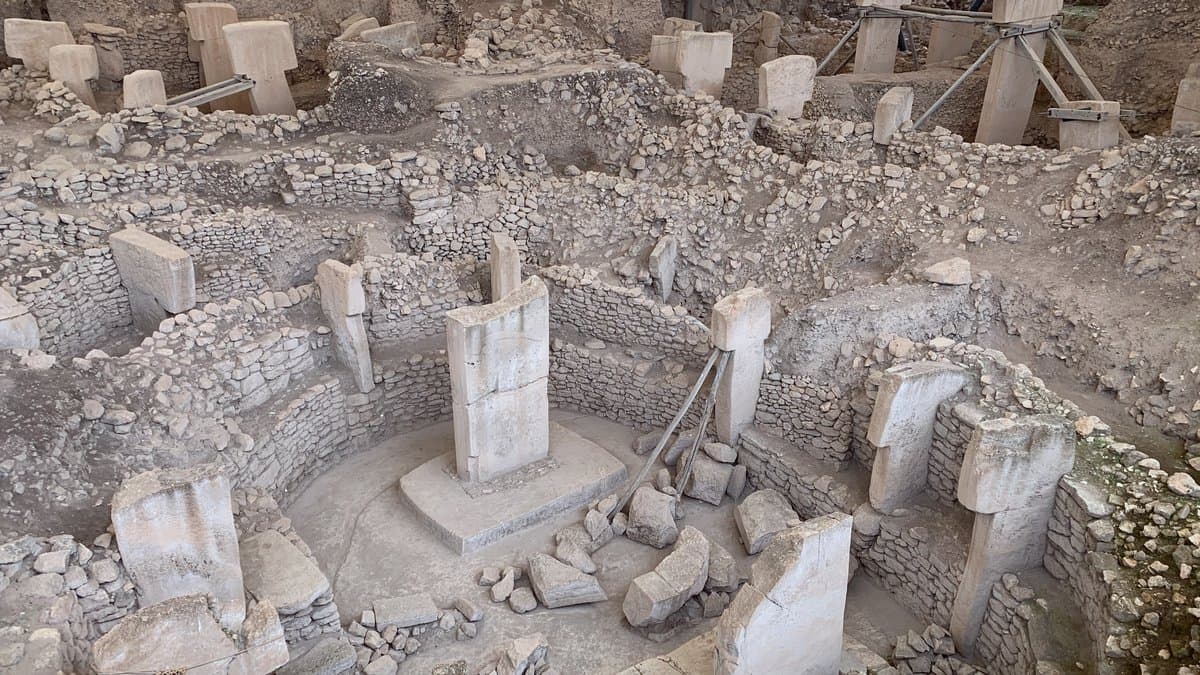
Archaeologists working at Göbeklitepe in southeastern Türkiye report in the journal PLOS ONE that they have excavated the first two undisturbed graves found at the site. The burials, they say, could account for the broken human bones that have come out of its monumental buildings since digging began in 1995.
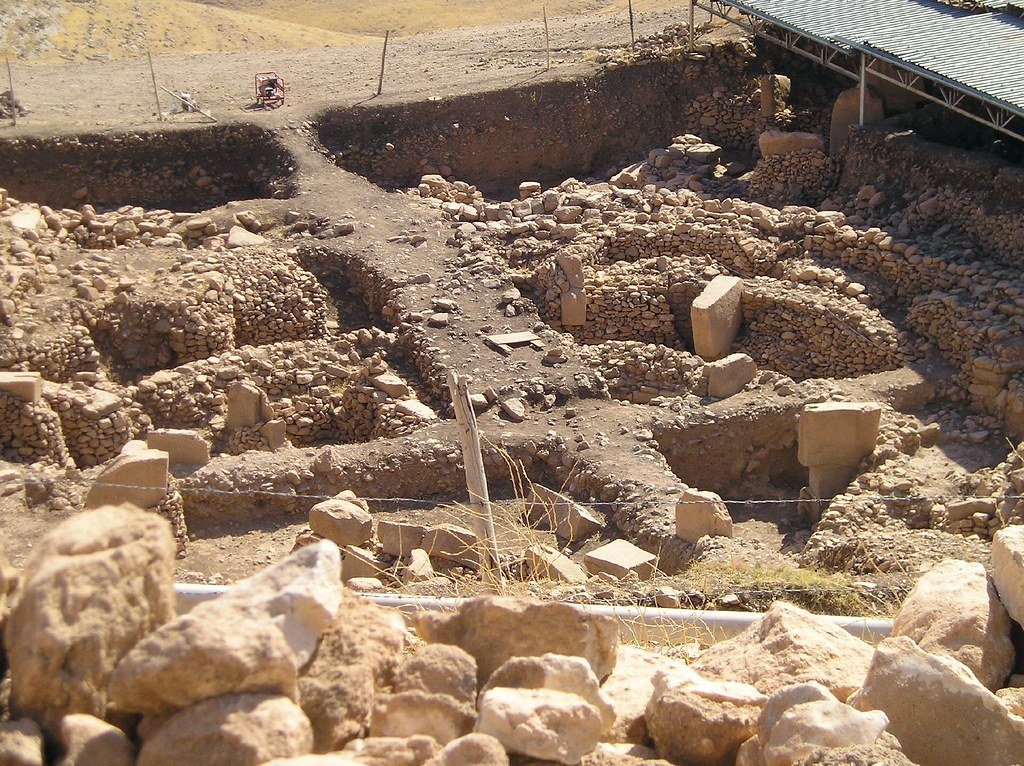
So far 928 of those fragments have been collected, from males and females of all ages, spread across the whole excavation area. The authors write that the central question was whether the bones had been placed deliberately as part of a burial practice nobody had documented, or had ended up in the fill of the buildings by accident.
The paper, published on September 22, is by Julia Gresky and Lee Clare, both of the German Archaeological Institute. They report that the bones in both graves carry the same damage as the loose fragments: heavy breakage after death, thick calcareous crusts that penetrate the bone and crack it, and rodent gnawing marks. They read that pattern as pointing away from a rite and toward an accident: remains from graves dug under the floors of buildings higher on the mound, carried downslope by slides of earth and redeposited in the buildings below.
Both graves belong to the Pre-Pottery Neolithic B, the period from 8,700 to 8,000 BCE. One is a collective grave cut into a plaster floor, holding at least three people: an adult woman, an adult man and an adolescent girl. Their bones had been pushed aside and heaped in clusters inside the pit, which the authors read as earlier bodies moved to make room for later ones. The second held a single body laid on its left side with the knees drawn up, beside one of the site's monumental buildings.
The authors say the explanation does not rule out other burial customs, including a form of skull cult that they had reported earlier, based on skulls carrying deep incisions. Graves under house floors are a common Neolithic practice in the region, and the authors count these two as further evidence that people lived at Göbeklitepe rather than only gathering there.
Sources
- PLOS OnePeer-reviewed