Diabetes and Weight-Loss Drugs Will Carry an FDA Warning About Sudden Vision Loss in One Eye
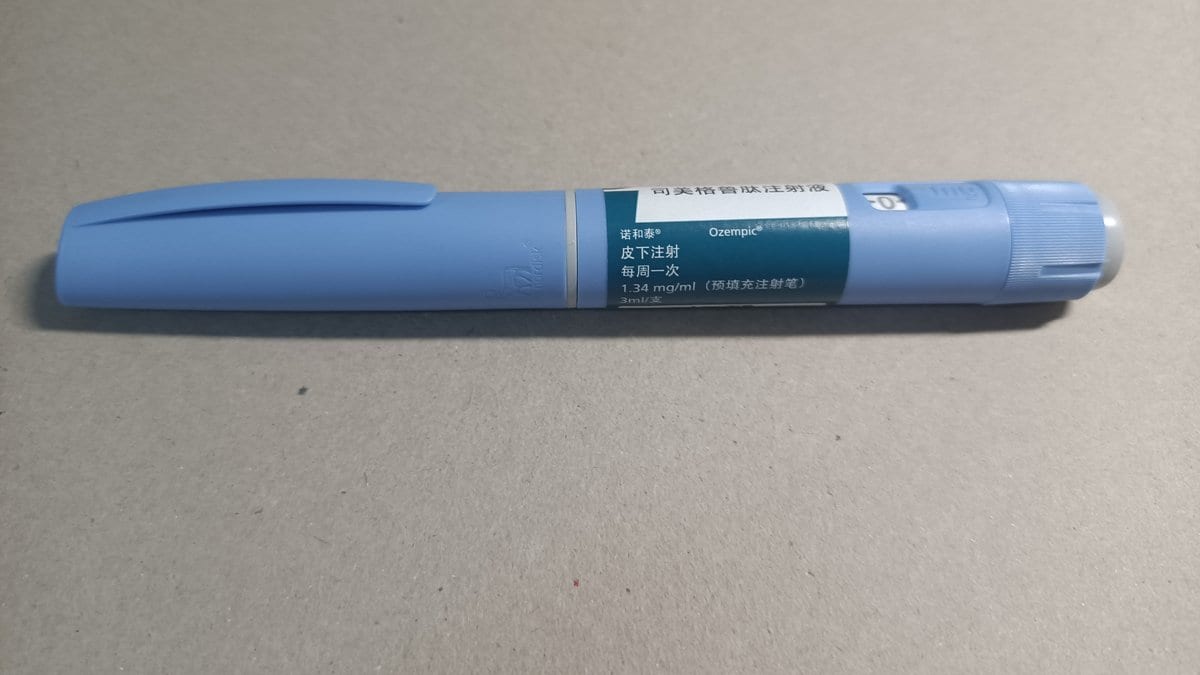
The Food and Drug Administration is requiring a warning about a rare eye condition on the labeling of every approved GLP-1 drug, the class used for type 2 diabetes and weight loss that includes Ozempic, Wegovy, Mounjaro and Zepbound.

In a drug safety communication dated Nov. 9, 2026, the agency said makers must add to the Warnings and Precautions section of each label what it calls "a potential increased risk" of NAION, a condition that follows a drop in blood flow to the optic nerve and can cause sudden, painless and sometimes permanent vision loss in one eye.
The FDA's own pooled analysis of 126 randomized, controlled trials, covering 134,253 patients, counted 6.4 NAION cases per 100,000 person-years among patients taking a GLP-1 drug, against 3.8 among those given a placebo or a different glucose-lowering medicine. Citing published literature, the agency puts the condition's background rate at 2.3 to 10.2 cases per 100,000 people a year in adults older than 50.
The agency also compared NAION rates in its Sentinel health-data system among adults with type 2 diabetes who started a GLP-1 or another diabetes drug between 2019 and 2024. Against DPP-4 inhibitors, an older class of diabetes pills, the FDA reported a higher risk; against SGLT-2 inhibitors it found no significant difference.
The FDA said animal data showed no mechanism by which a GLP-1 drug could raise the risk, and that NAION's cause is not completely understood. Its known risk factors, among them diabetes and sleep apnea, are common in patients who take these drugs.
The agency asks patients to watch for sudden, painless vision loss in one eye, which they may notice on waking, as well as blurred or missing areas of vision. "Patients should contact their health care professional right away if they have any of these symptoms," the FDA wrote.
The agency said it opened the review after a July 2024 paper in JAMA Ophthalmology by Hathaway and colleagues on NAION in patients prescribed semaglutide, and that cases have been reported for every GLP-1 product on the market.
Sources

Medical Disclaimer: This content is provided for general informational and educational purposes only. It is not medical advice and should not be used as a substitute for professional medical advice, diagnosis, or treatment. Always consult a qualified healthcare professional regarding any medical condition, concern, symptom, or treatment decision.