FDA Approves a Parkinson's Pill That Works on a Different Brain Target

The U.S. Food and Drug Administration has approved tavapadon, a once-daily tablet for adults with Parkinson's disease, AbbVie announced on Sept. 28, 2026. The company sells the drug as JUVMO and expects to make it available in the United States in October 2026.
The tablet can be taken on its own or alongside levodopa, the long-standing mainstay of Parkinson's treatment, which many patients need in larger doses as the disease progresses. Dopamine agonists, drugs that stand in for the brain's own dopamine, are already part of that care, and the ones now in use act mainly on the D2 and D3 receptors. AbbVie's announcement describes tavapadon as the first and only approved agonist that selectively targets a different pair, the D1 and D5 receptors.
The approval rests on the company's late-stage TEMPO trials, which tested the drug both in people with early Parkinson's who were not yet taking levodopa and as an add-on for people whose symptoms fluctuate. In the add-on trial, AbbVie reports that patients gained about an hour more per day of controlled movement, free of troublesome involuntary movements, than those given a placebo. Results from two of the trials have been published in JAMA Neurology and The Lancet Neurology. AbbVie's other claim for the drug, that it lets patients hold their levodopa dose steady for longer, rests on company data on file rather than on a published trial report.
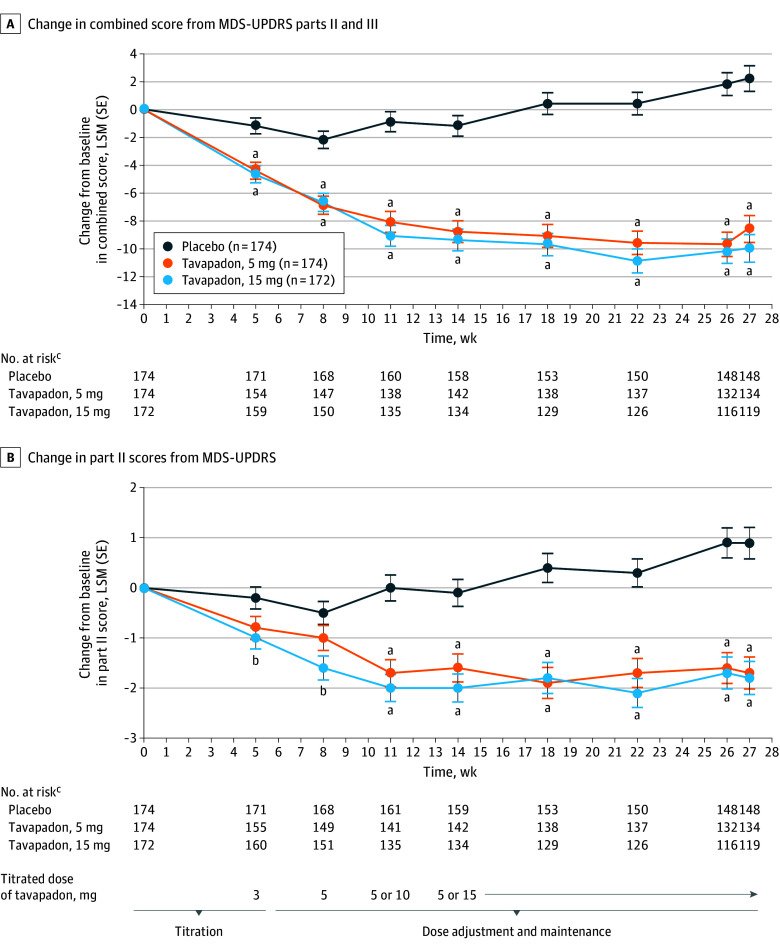
AbbVie says most side effects seen in the trials were not serious and were mild or moderate, commonly nausea, headache and dizziness. The prescribing information warns that the drug can lower blood pressure, and that people taking Parkinson's medicines, including this one, have had hallucinations, uncontrolled movements and unusual urges such as compulsive gambling, eating or shopping.
More than 11 million people worldwide are living with Parkinson's disease, according to figures cited in AbbVie's release.
Sources

Medical Disclaimer: This content is provided for general informational and educational purposes only. It is not medical advice and should not be used as a substitute for professional medical advice, diagnosis, or treatment. Always consult a qualified healthcare professional regarding any medical condition, concern, symptom, or treatment decision.