The World Has 1.56 Billion Hectares of Damaged Land
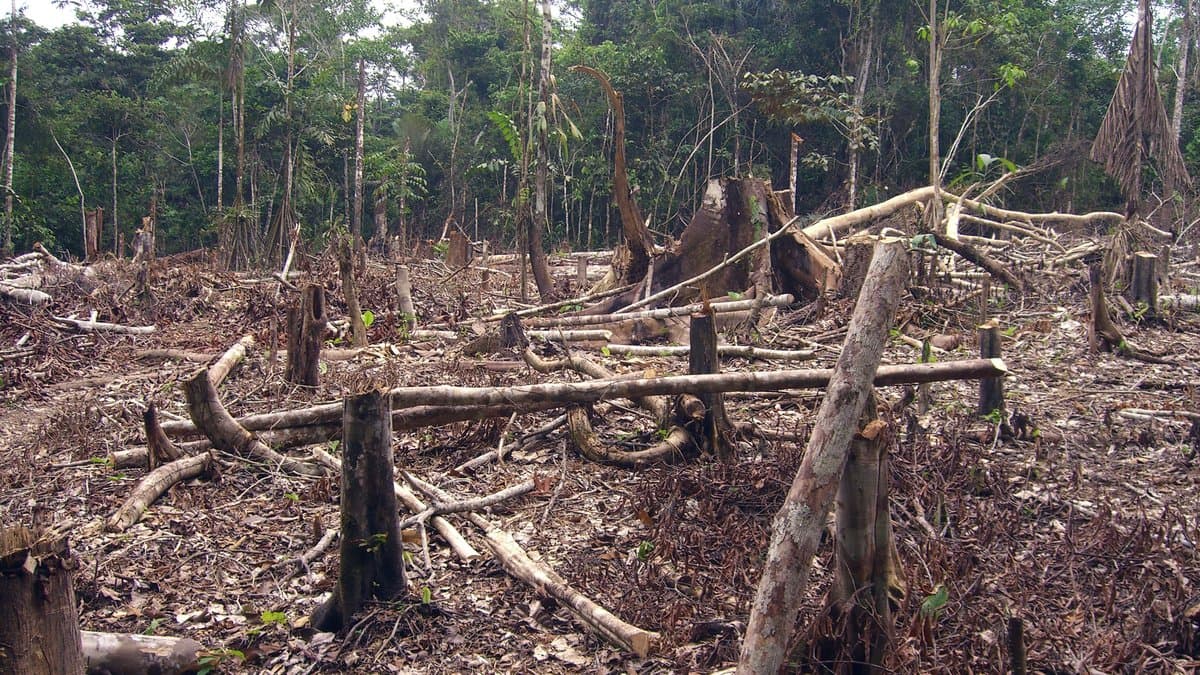
The UN Food and Agriculture Organization published the 2026 edition of its flagship forest assessment on Sept. 28, at the opening of the agency's Committee on Forestry (COFO) in Rome. The report puts the area of degraded land worldwide at 1.56 billion hectares, including 460 million hectares of forest land.
That report, State of the World's Forests, is built around forest and landscape restoration as a response to food insecurity, climate change, biodiversity loss and land degradation. Set against the degradation it counts, FAO's launch announcement records 91 countries committing to restore 190 million hectares of degraded forest.
According to the report, restoration efforts are gaining momentum, though meeting global restoration targets by 2030 remains a significant challenge. Restoration is described as a strategic investment able to produce long-term benefits for farming and food systems, rural development and environmental resilience. FAO co-leads the United Nations Decade on Ecosystem Restoration.
"With forests facing many threats, such as deforestation, wildfire, pests and unsustainable management, the role of COFO is more important than ever," Qu Dongyu, FAO's director-general, noted at the opening session. He explained that many of the contributions forests make to food security and livelihoods remain insufficiently reflected in national statistics and strategies.
Qu also raised wildfire risk, citing at least 127 million hectares of forest affected each year and fires that are becoming more frequent and severe in many regions. FAO runs a Global Fire Management Hub with member countries and partners to strengthen fire management and cross-border cooperation.