A Puzzle About Smoking and Parkinson's Points to a Gas in the Breath
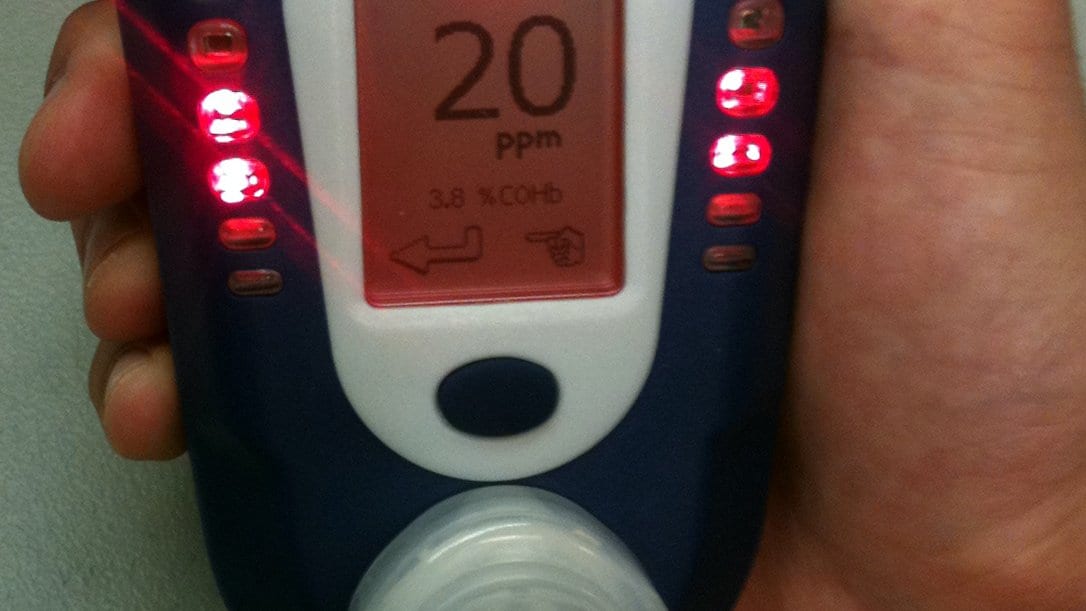
Among Chinese adults who had never smoked, those with more carbon monoxide in their breath went on to develop Parkinson's disease less often than those with less, a team led from the University of Oxford and Peking University reports in JAMA Neurology. The result is an association measured in people followed over time, not evidence that the gas prevents the disease.
The authors describe the finding as pointing to a potentially protective role for carbon monoxide in how Parkinson's develops, one that helps explain a link epidemiologists have recorded for decades: people who smoke are diagnosed with Parkinson's less often than people who do not. On that reading, they write, the result supports clinical trials of carbon monoxide now under way as a treatment for the disease.
The analysis draws on the China Kadoorie Biobank, which measured the carbon monoxide in each participant's breath when they enrolled. Among the 512,701 people in the main analysis, 1,131 developed Parkinson's over roughly 12 years of follow-up, tracked through national death and disease registries and health insurance records.
Regular smoking, in the same group, was associated with a risk of Parkinson's about 30% lower than among people who had never smoked (adjusted hazard ratio 0.70). It was also associated with higher risks of lung cancer, ischemic heart disease, stroke and death from any cause.
Among the never-smokers, 675 of whom developed Parkinson's, the risk fell as breath carbon monoxide rose. Set against participants below 2.0 parts per million, those in the three highest bands were 32% to 38% less likely to be diagnosed, and the decline across the range was statistically significant, the team reports.
Higher breath carbon monoxide was not associated with the diseases smoking causes, nor with other neurodegenerative diseases. The association with Parkinson's was stronger among women who had never smoked. First author Clara Bueno Lopez and senior author Zhengming Chen, both at Oxford's Nuffield Department of Population Health, and colleagues adjusted for factors including household solid fuel use and secondhand smoke.
Sources
- JAMA NeurologyPeer-reviewed

Medical Disclaimer: This content is provided for general informational and educational purposes only. It is not medical advice and should not be used as a substitute for professional medical advice, diagnosis, or treatment. Always consult a qualified healthcare professional regarding any medical condition, concern, symptom, or treatment decision.