Vitamin C Trial in Precancerous Blood Conditions Misses Its Main Goal

Daily vitamin C did not slow the growth of abnormal blood cell clones in people with precancerous blood conditions or early-stage blood cancers, the EVITA trial reported in the journal Cancer. Its main measure, the rate at which those clones grew, did not differ between the patients given the vitamin and those given a placebo.
Both conditions are precursors or early stages: the abnormal clones are already present and can expand toward leukemia, and the trial set out to test whether vitamin C could slow that. Vitamin C is needed by a group of enzymes that chemically alter DNA and change which genes are active, and mutations in the gene for one of them, TET2, are common drivers of leukemia, the authors write. Earlier work in cells and animals had suggested the vitamin might delay the disease.
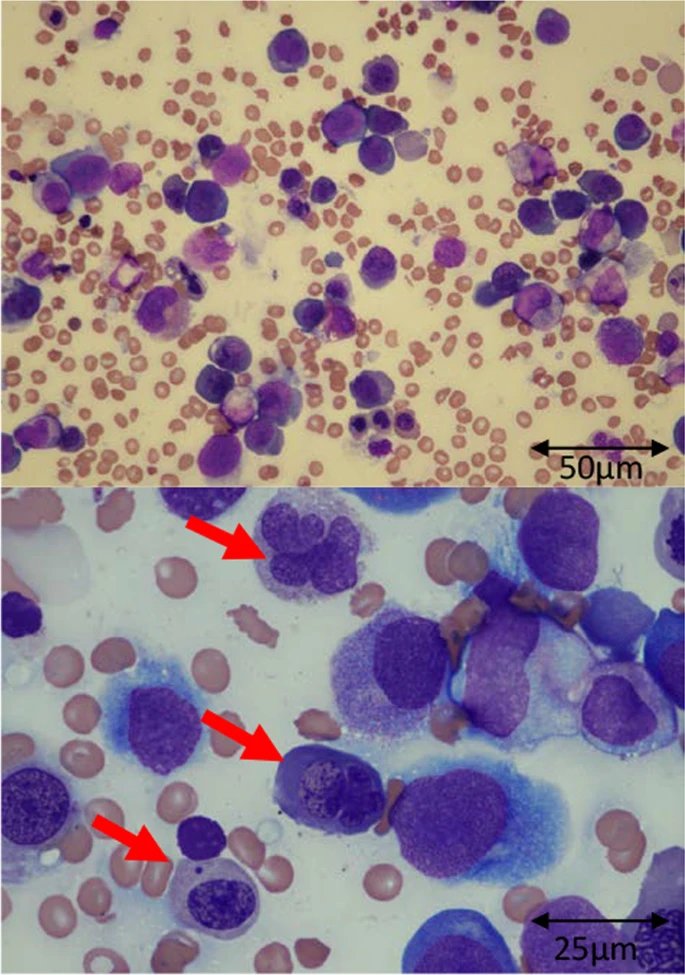
EVITA was a double-blind, placebo-controlled phase 2 trial run in Denmark and the United States. It enrolled 109 adults who had clonal cytopenia of undetermined significance, meaning low blood counts alongside blood cells carrying cancer-linked mutations, or a lower-risk myeloid cancer, and who were not on cancer treatment. Half took 1,000 milligrams of vitamin C by mouth every day for 12 months, and half took a placebo.
Two of the trial's secondary measures did differ. Serious adverse events were recorded in 33% of the patients taking vitamin C and 57% of those on placebo, and inflammatory markers in the blood followed different paths in the two groups, the authors report.
An exploratory analysis, which the trial was not designed to test, found longer overall survival among the patients who took vitamin C. First author Stine Ulrik Mikkelsen and senior author Kirsten Grønbæk, both at Rigshospitalet in Copenhagen, and colleagues describe vitamin C as safe and biologically active in these patients, and write that a phase 3 trial is warranted.
The trial was registered as NCT03682029 and is now complete, according to the paper.
Sources

Medical Disclaimer: This content is provided for general informational and educational purposes only. It is not medical advice and should not be used as a substitute for professional medical advice, diagnosis, or treatment. Always consult a qualified healthcare professional regarding any medical condition or treatment decision.