A Blood Marker Separated Advanced CTE but Not Its Earliest Stage
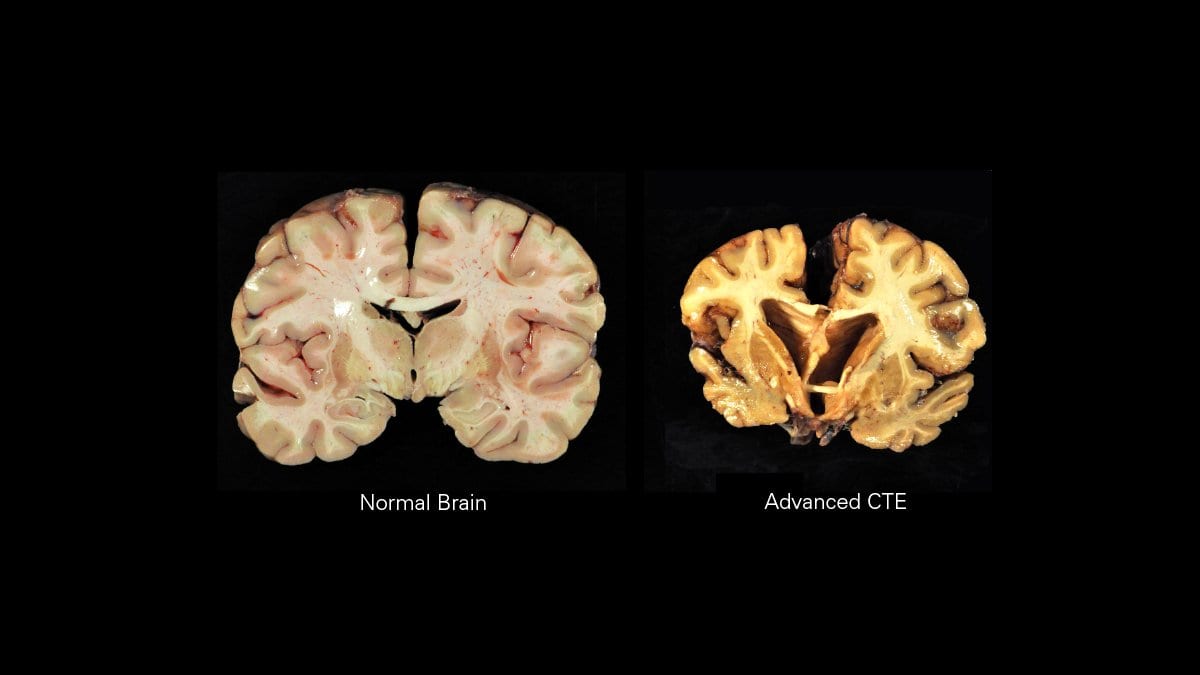
Blood levels of a cleaved piece of the tau protein were raised in people with advanced chronic traumatic encephalopathy, or CTE, enough to separate them as a group from people with no cognitive impairment, researchers report in JAMA. At the earliest stage of the disease, the same measurement did not separate them.
CTE is confirmed only by examining brain tissue after death. The authors set out to test how one tau fragment, eMTBR-tau243, behaves across a range of diseases in which tau builds up in the brain, and they conclude that validation in larger groups is needed before its usefulness as a marker for diagnosing CTE can be judged.
Kanta Horie, Chihiro Sato and colleagues at Washington University School of Medicine in St. Louis published the study Nov. 13, 2026, in JAMA. They measured the fragment in spinal fluid and blood plasma from 229 participants whose samples came from four biorepositories in the United States, many of them people whose fluid was collected while they were alive and whose brains were examined after death. Plasma from 11 patients with CTE carried more of the fragment than plasma from unimpaired controls, though less than from patients with Alzheimer's disease.
In plasma, the fragment separated CTE at stages III and IV from controls with an area under the curve of 0.97, on a scale where 1 is a perfect split and 0.5 is a coin toss. For stage I the same figure was 0.64, and the authors report no separation.
In spinal fluid, the fragment was raised in patients with Alzheimer's disease and not in people whose autopsies showed progressive supranuclear palsy or corticobasal degeneration, two other diseases in which tau builds up.
Sources

Medical Disclaimer: This content is provided for general informational and educational purposes only. It is not medical advice and should not be used as a substitute for professional medical advice, diagnosis, or treatment. Always consult a qualified healthcare professional regarding any medical condition, concern, symptom, or treatment decision.