Flu Season Started Early This Year, CDC's Weekly Count Shows
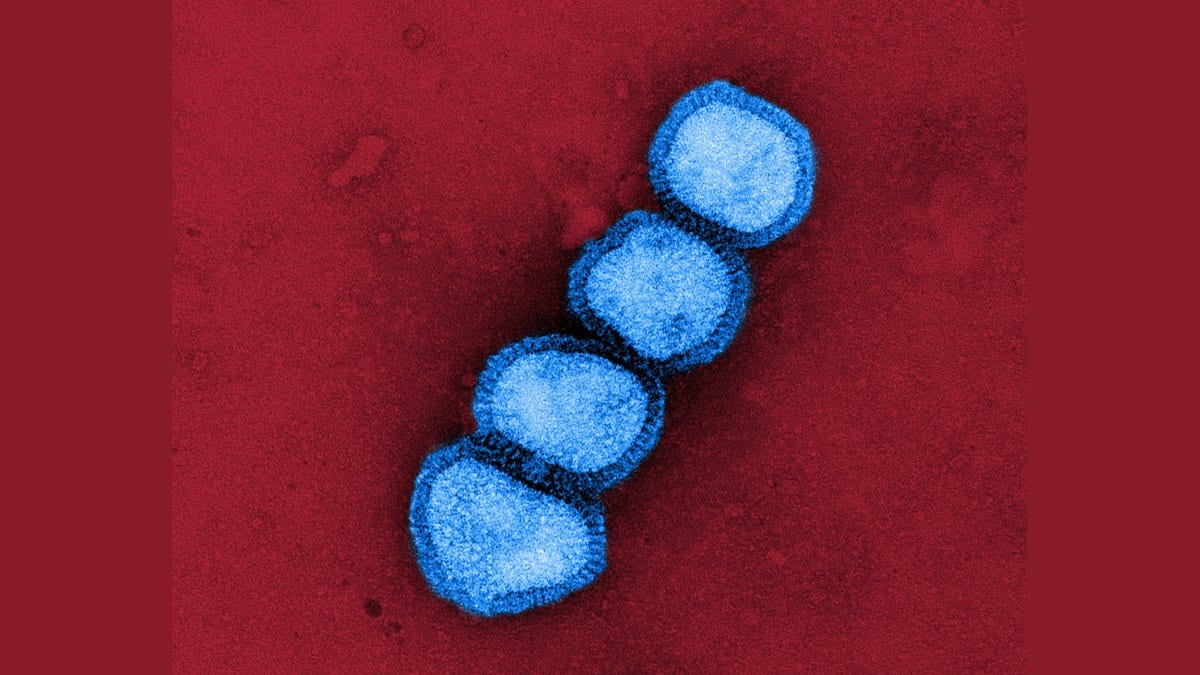
Flu activity in the United States is running higher than is typical for this time of year, the Centers for Disease Control and Prevention said in its weekly surveillance report for the week ending Nov. 7, 2026. Visits for influenza-like illness (fever plus cough or sore throat) made up 3.2% of all outpatient and emergency department visits that week, above the national baseline of 2.9%.
The agency adds that an earlier increase in activity does not necessarily lead to a higher seasonal peak or greater overall severity. Its preliminary assessment rates the season's severity so far as low in every age group.
Seven states and jurisdictions were at high or very high levels of influenza-like illness on the activity map in the report, up from two the week before.
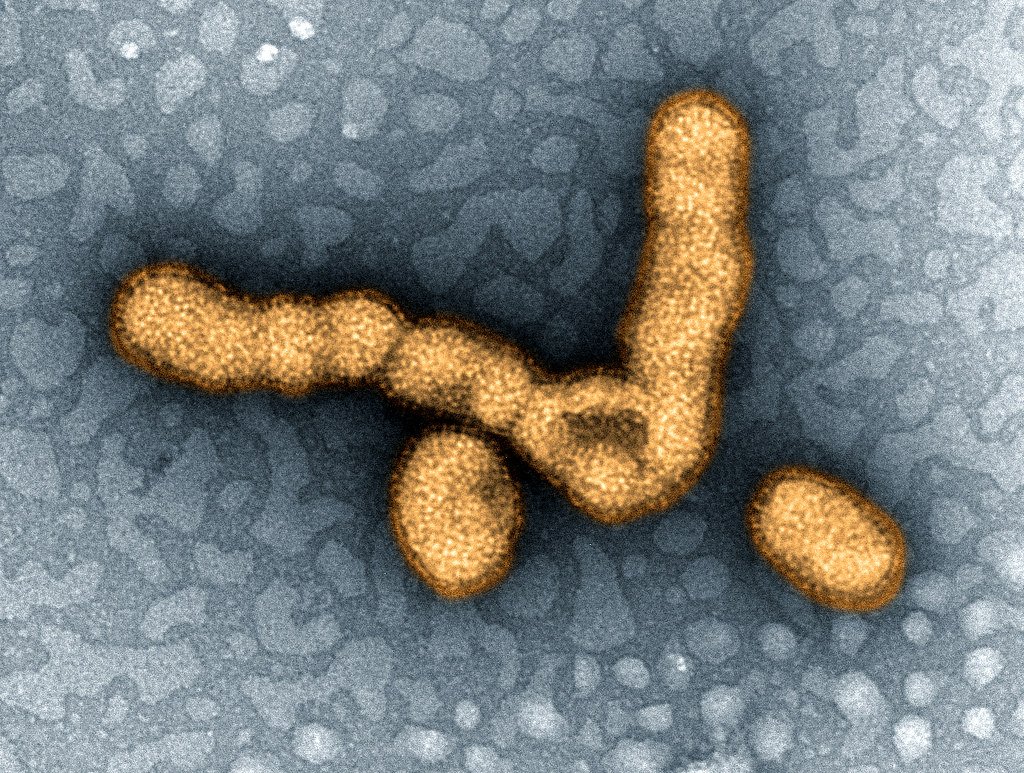
Nearly all of the influenza A viruses that public health laboratories subtyped that week were A(H1N1)pdm09. The agency reports that the H1N1 viruses now circulating have divided into groups carrying different genetic changes, and that it is seeing more diversity among them than before. CDC says it is too early to know which viruses will predominate, or whether vaccine effectiveness will be affected this season.
CDC estimates that there have been at least 2.6 million illnesses, 36,000 hospitalizations and 2,100 deaths associated with flu in the United States so far this season, figures it calls preliminary. Separately, five flu-related deaths in children have been reported to the agency this season.
Sources

Medical Disclaimer: This content is provided for general informational and educational purposes only. It is not medical advice and should not be used as a substitute for professional medical advice, diagnosis, or treatment. Always consult a qualified healthcare professional regarding any medical condition, concern, symptom, or treatment decision.