First-Ever Treatment Trial Opens for Bundibugyo Ebola in DR Congo
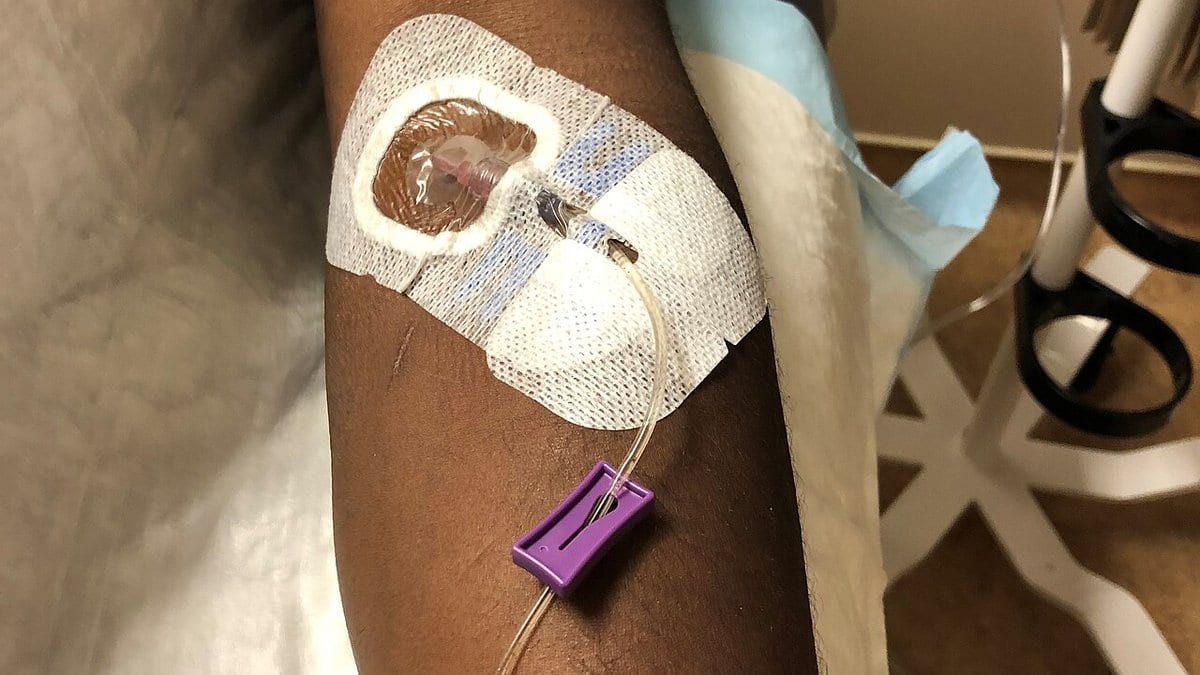
Patient enrolment began on 2 July 2026 in the first-ever clinical trial of treatments for Bundibugyo virus disease, opening at treatment sites in the Democratic Republic of the Congo's Ituri province during an active outbreak. The study, announced by the World Health Organization, is named PARTNERS: the Platform Adaptive Randomised Trial for New and Repurposed Filovirus TreatmentS.
Here is the gap it aims to close. Bundibugyo virus is a distinct species within the same genus as the better-known Zaire ebolavirus, and while treatments have been proven against other Ebola-causing viruses, none has ever been shown to work against this one. WHO counts more than 1,400 diagnosed cases across the virus's history, with roughly 440 deaths. Doctors facing an outbreak have had supportive care and little else.
PARTNERS is a randomized controlled trial, the design that can actually settle whether a drug helps. Patients of any age with laboratory-confirmed infection are assigned to one of four paths: the antiviral remdesivir, the monoclonal-antibody cocktail MBP134, both together, or standard supportive care alone. Everyone is then followed for at least 28 days, and survival is compared across the groups. Built as a platform trial, it can add further candidate treatments later, once WHO's Technical Advisory Group signs off.
The trial is sponsored by WHO and coordinated by the Institut National de Recherche Biomédicale, the Institute of Tropical Medicine in Antwerp, and the University of Oxford, with support from Africa CDC. "Research needs to happen alongside the response, not after it," said Professor Amanda Rojek, one of the researchers involved. WHO Director-General Dr Tedros Adhanom Ghebreyesus framed the stakes plainly: with safe and effective options in hand, "we could save many more lives."
This is a launch, not a result. Enrolment has only just begun, and there are no efficacy findings yet. Whether either drug helps will not be known until the trial has followed enough patients to draw a conclusion.
Sources

Medical Disclaimer: This content is provided for general informational and educational purposes only. It is not medical advice and should not be used as a substitute for professional medical advice, diagnosis, or treatment. Always consult a qualified healthcare professional regarding any medical condition, concern, symptom, or treatment decision.