When Antibiotics Fail, a New Guideline Tells Doctors How to Use Viruses

An international working group led by the German Society for Infectious Diseases has published a consensus guideline for personalized bacteriophage therapy, the treatment of a bacterial infection with viruses chosen to attack that patient's own bacteria. It appeared in Nature Medicine on Sept. 21 as a consensus statement.
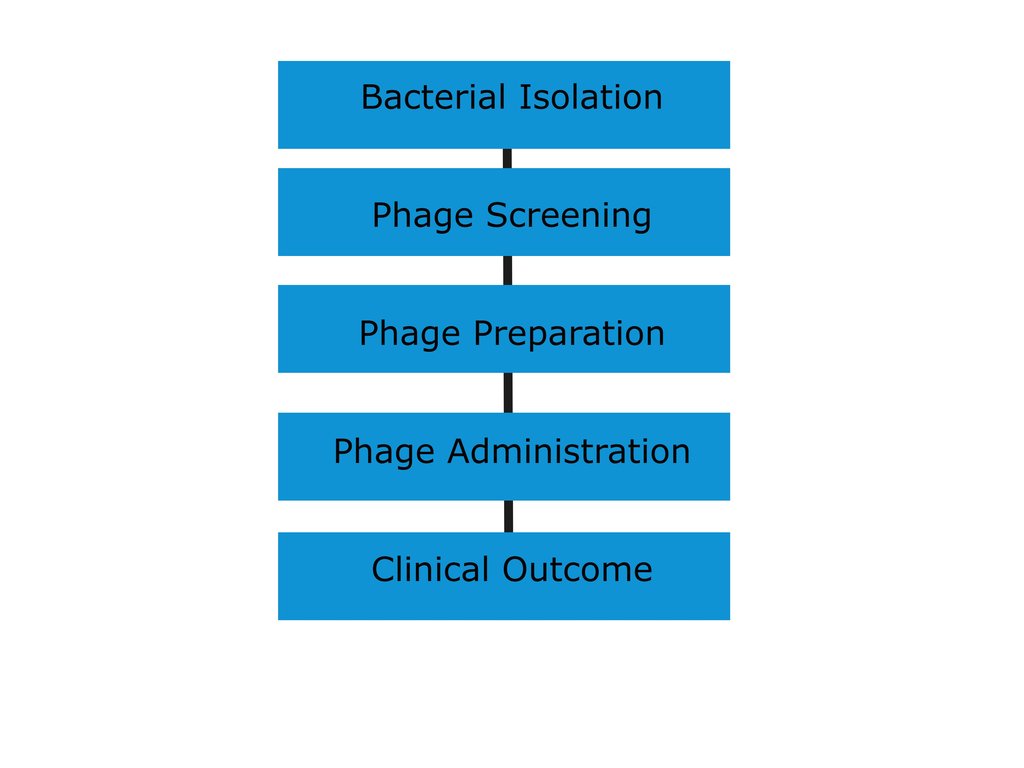
The guideline is a recommendation framework, not a drug approval and not a trial result. Its authors write that existing guidance gives limited practical direction, and that theirs sets standards detailed enough for an inspection, for both the pharmacies that prepare phages and the clinics that administer them. They recommend that phage therapy be considered case by case, mainly for patients whose standard treatment has failed or is ruled out, and write that outside clinical trials it is given as an individualized treatment attempt.
Silvia Würstle of University Medicine Frankfurt, Annika Y. Classen of University Hospital Cologne and colleagues report that 20 professional societies, patient advocacy groups and regulatory authorities took part, alongside 18 international experts. The document carries more than 60 recommendations, covering core principles, infrastructure, preparation and quality control, clinical administration and future research. It was drawn up under the rules of the Association of the Scientific Medical Societies in Germany and is valid until June 29, 2030. Each recommendation is published with the share of the panel that approved it.
Its authors write that the published literature is mostly laboratory work, early-stage trials, expert opinion and case reports. For some questions, including doses for different routes of administration and the thresholds used in quality testing, they could not set precise values, and those recommendations follow expert consensus instead.
The group also asks that treated cases be recorded in national or international registries. It lists standardized testing of which phages attack a given patient's bacteria among its research priorities, and notes that a subcommittee of the European Committee on Antimicrobial Susceptibility Testing is preparing recommendations on that testing.
Sources
- Nature MedicinePeer-reviewed

Medical Disclaimer: This content is provided for general informational and educational purposes only. It is not medical advice and should not be used as a substitute for professional medical advice, diagnosis, or treatment. Always consult a qualified healthcare professional regarding any medical condition or treatment decision.