Waist Measurements Caught the Obesity Risk That Weight Alone Missed
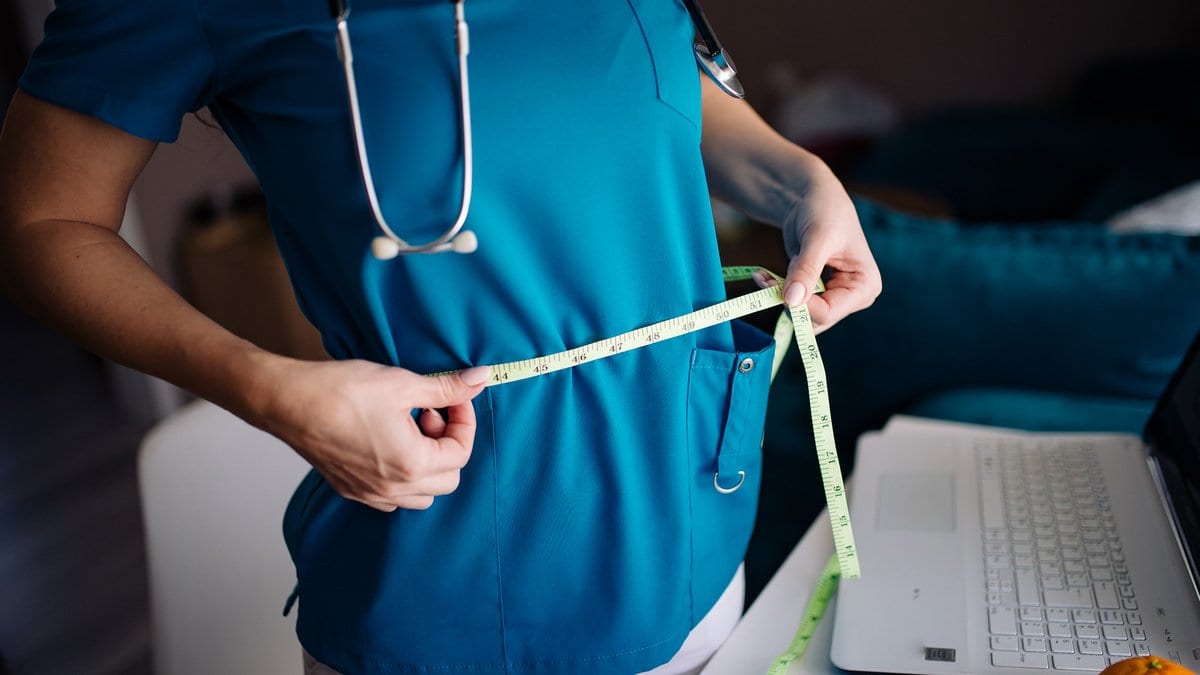
A diagnosis of obesity that adds a waist measurement to the weight scale and then asks whether an organ is already damaged tracked the risk of early death in 844,108 adults where body mass index alone did not. An Pan of Huazhong University of Science and Technology in Wuhan, Francesco Rubino of King's College London and colleagues compared the two approaches in health studies in China, the United Kingdom, the United States and Spain.
The definition they tested is the one a Lancet Commission proposed in 2025, and it splits obesity in two. Clinical obesity means excess body fat that is already impairing an organ or a person's daily activities. Preclinical obesity means excess fat with organ function still intact. Writing in Nature on Nov. 11, 2026, the authors say the split is meant to set how urgently someone is treated, not who is treated at all. Citing the World Obesity Atlas, they note that about 1.5 billion adults worldwide are classed as overweight on body mass index, and say their data indicate not all of them carry raised risk.
The team reports that clinical obesity was associated with a rate of death from any cause 1.69 times that of people with neither excess fat under the new criteria nor organ damage, and preclinical obesity with a rate 1.19 times as high. People whose body mass index put them in the overweight or obese range but who did not meet the waist criteria showed no excess risk of death. Body mass index alone both over-counted and under-counted obesity, and it missed more people than it wrongly included.
Preclinical obesity also proved fairly stable: between 77.4% and 91.3% of those who had it at the start, depending on the study, had not progressed to clinical obesity 10 years later.
The authors conclude that their findings support global adoption of the Commission's framework. The study reports no industry funding; several of its authors declare consulting fees from drugmakers including Novo Nordisk and Eli Lilly.
Sources
- NaturePeer-reviewed

Medical Disclaimer: This content is provided for general informational and educational purposes only. It is not medical advice and should not be used as a substitute for professional medical advice, diagnosis, or treatment. Always consult a qualified healthcare professional regarding any medical condition, concern, symptom, or treatment decision.