Google's New Genetics Model Narrows a Prediction Down to a Single Cell Type
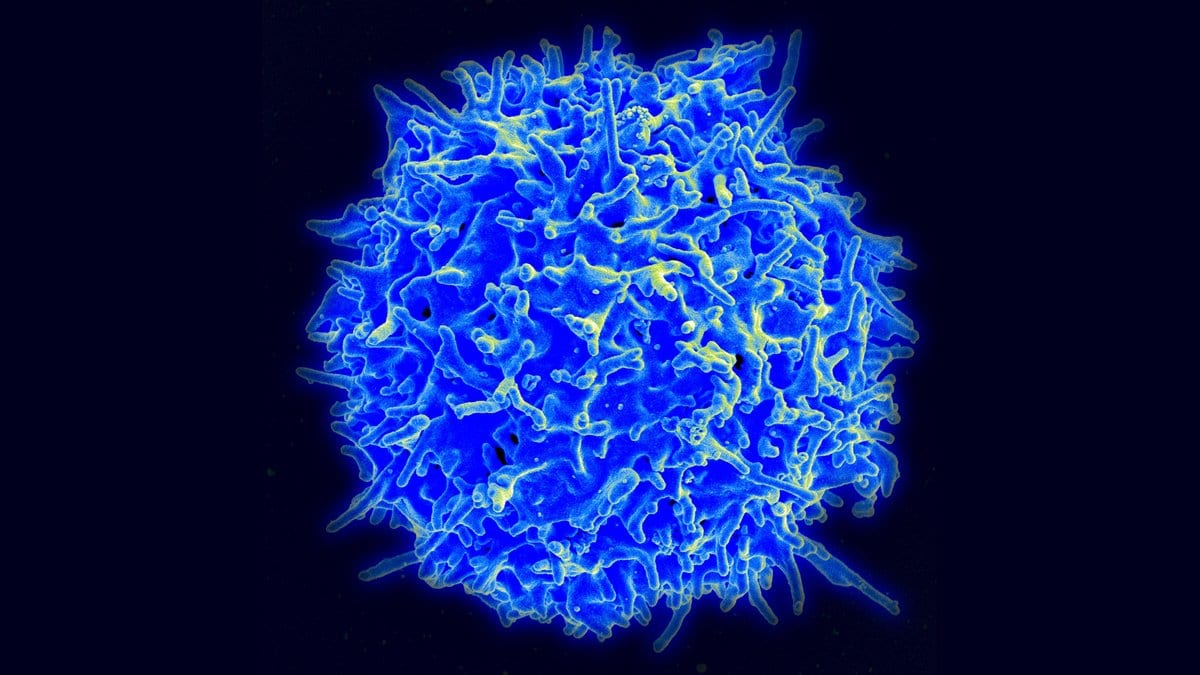
Google DeepMind released AlphaGenome 2 on Nov. 11, 2026, a DNA model that makes every prediction for one named cell type or cell state instead of averaging across a whole tissue, and opened it the same day to non-commercial research.
In its announcement, Google DeepMind says the aim is to catch genetic changes that act only in particular cells: the model can predict how DNA variants behave in disease-relevant cells that broad-tissue models miss, and in cell states it was never shown during training. Access is through the AlphaGenome API for non-commercial research and a private preview for commercial research.
On TenK10K, a single-cell map of 28 primary immune cell types, Google DeepMind reports that AlphaGenome 2 picked out nearly twice as many causal variants as the original AlphaGenome fine-tuned on single-cell data and other specialized tools, 30% against 16%, and got nearly twice as many calls right on whether a variant turns a gene up or down, 43% against 23%. Those are the company's own benchmark numbers against its own earlier model, and no independent evaluation has been published.
The architecture is what changed. Google DeepMind describes AlphaGenome 2 as a conditional model: alongside a million-letter stretch of DNA, it takes the target condition, a tissue, cell type or state, as an input at every stage, where the first AlphaGenome predicted properties across thousands of experiments at once. The company says it trained the model on bulk and single-cell data from human and mouse samples, including over 107 million individual cell profiles, and that researchers can condition it on their own single-cell measurements without retraining it.
The original model predicted variant effects across broad tissues, and the company extended it with AlphaGenome Atlas, precomputed predictions for all 9 billion possible single-letter changes in the human genome. AlphaGenome 2 adds DNA methylation, a chemical tag that shifts gene activity, to the readouts it predicts.
The release says both AlphaGenome and AlphaGenome 2 are intended for research use only and have not been validated or approved for clinical or diagnostic purposes.