Chemists Put Calcium to Work Passing Fluorine Between Molecules
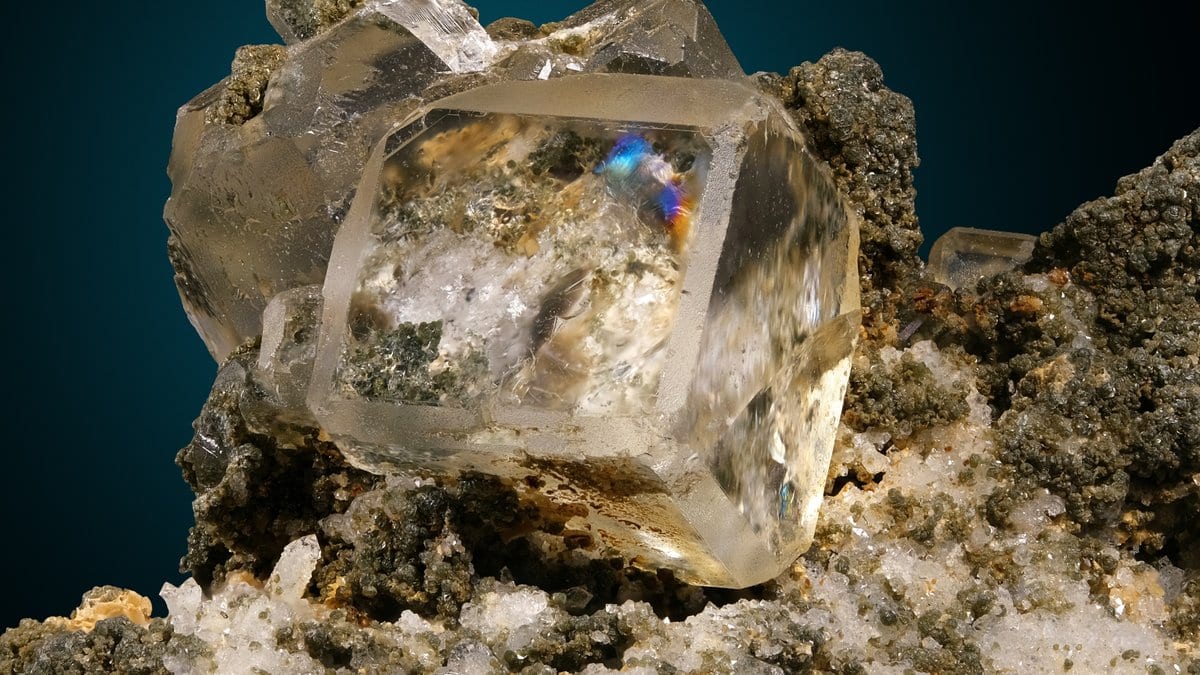
Chemists at the University of Oxford report a catalyst that uses calcium to pass fluoride ions to other molecules: the calcium hands a fluoride off, takes up another, and goes round again. Their paper was published Nov. 19, 2026, in Nature.
The authors describe the work as a platform for catalysis built on main-group elements rather than on transition metals, which they tie to the wider goal of more sustainable manufacturing. Calcium, they note, is the fifth most Earth-abundant element. The obstacle they set out to get around is mechanistic: the reaction steps that underpin established transition-metal catalysis, oxidative addition and reductive elimination among them, are not open to main-group metals, so a catalyst based on one needs different steps to keep turning over.
Job J. C. Struijs and colleagues at the Chemistry Research Laboratory in Oxford identify the key intermediate as a calcium fluoride complex in which the fluoride is held at a single site on the metal, a geometry they put down to a very bulky, doubly negatively charged ligand wrapped around the calcium. That intermediate both captures fluoride and releases it, and that pair of steps is what lets the catalyst shuttle fluoride from reagent to product.
Fluoride delivery is the slowest step of the cycle, and the bond between calcium and fluoride breaks late within it. Calcium's electronic and steric tuning of the fluoride is therefore chemically significant, on the team's account — the charge the ion sits in and the room left around it are set by the metal.
Selectivity is the result they put forward. In what they call proof-of-concept results, the reaction favors substitution, in which fluoride replaces another group on the molecule, over elimination, in which the molecule sheds a group instead. The authors call that "a hitherto unprecedented level of selectivity for substitution over elimination" and credit it to the calcium.
Nature lists the paper as received Nov. 17, 2025, and accepted Nov. 13, 2026, with Véronique Gouverneur and Simon Aldridge as the corresponding authors.
Sources
- NaturePeer-reviewed