Chemists Break Silicone Back Down Into the Chemical It Is Made From
Chemists at the Technical University of Berlin report a reaction that takes waste silicone apart and returns dichlorosilane, the monomer that industry already uses to make silicone in the first place. The paper was published Oct. 28, 2026, in Nature.
The paper attributes silicone's wide use in industry, medicine and consumer products to its "exceptional thermal stability and chemical inertness," and reports that those same qualities are why recycling it has been so hard. It lists today's options as landfill, incineration, mechanical recycling, and chemical recycling that stops at cyclic siloxanes. Those are ring-shaped molecules rather than the monomer itself.
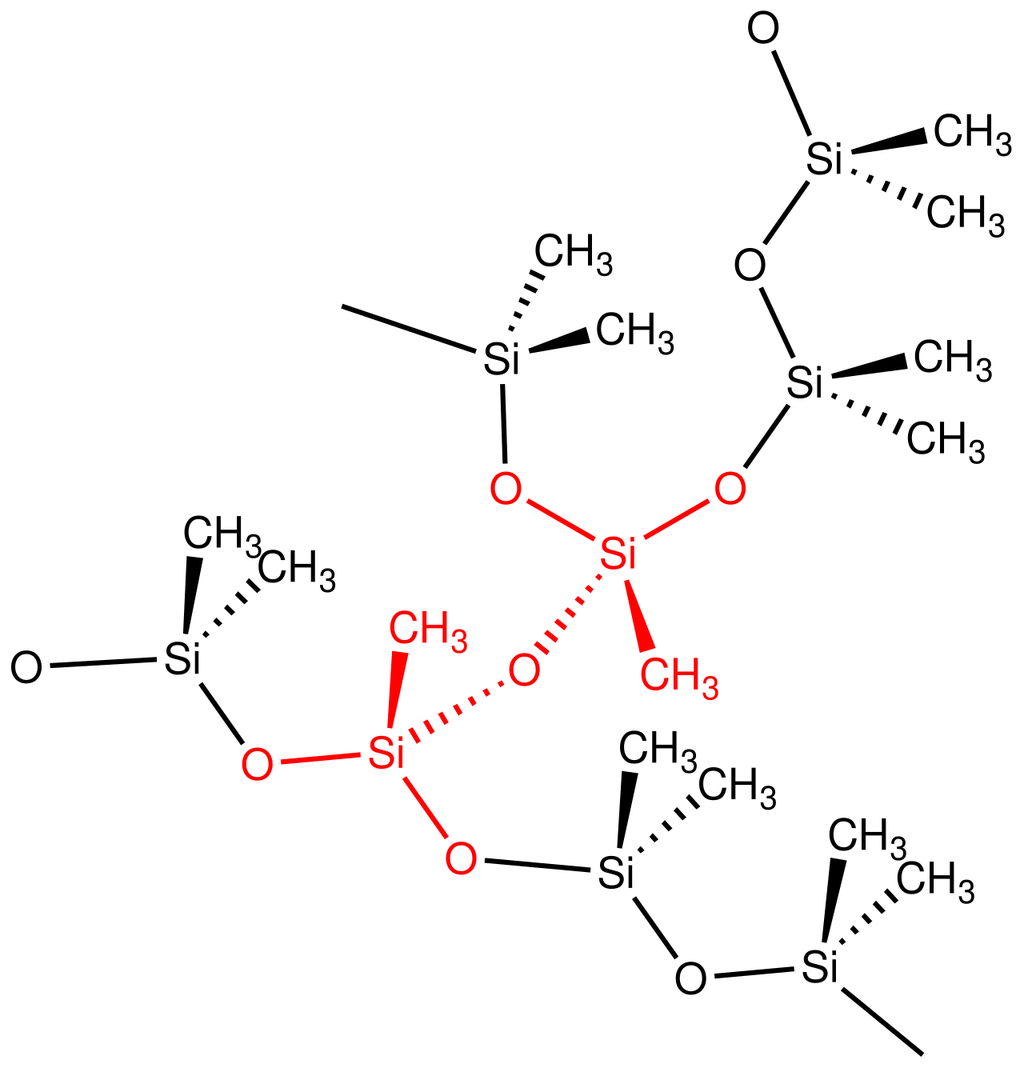
Biping Xu, Martin Oestreich and colleagues at the Technical University of Berlin report that the reaction is started by a silylium ion, a positively charged silicon species. The paper reports that phosgene and related reagents standing in for it supply the chlorine, and that the reaction runs under mild conditions, pulling the oxygen out of the silicon-oxygen links in the polymer backbone and putting chlorine in its place.
The authors report that the reaction works across linear and cyclic siloxanes, including commercial silicone oils and elastomers. Computational co-authors at the University of Bonn modeled how it proceeds, and the paper reports that phosgene does more than supply chlorine: it gives rise to the reactive fragment that does the cutting, formed in the mixture when the silylium ion activates it.
The authors call the result "a new approach for the sustainable circular recycling of chemically inert siloxane materials." Nature is carrying the paper as an early, citable version that the journal says will be replaced by a final one.
Sources
- NaturePeer-reviewed