One Shared Cell Map for the Brain Region Tied to Parkinson's and Addiction
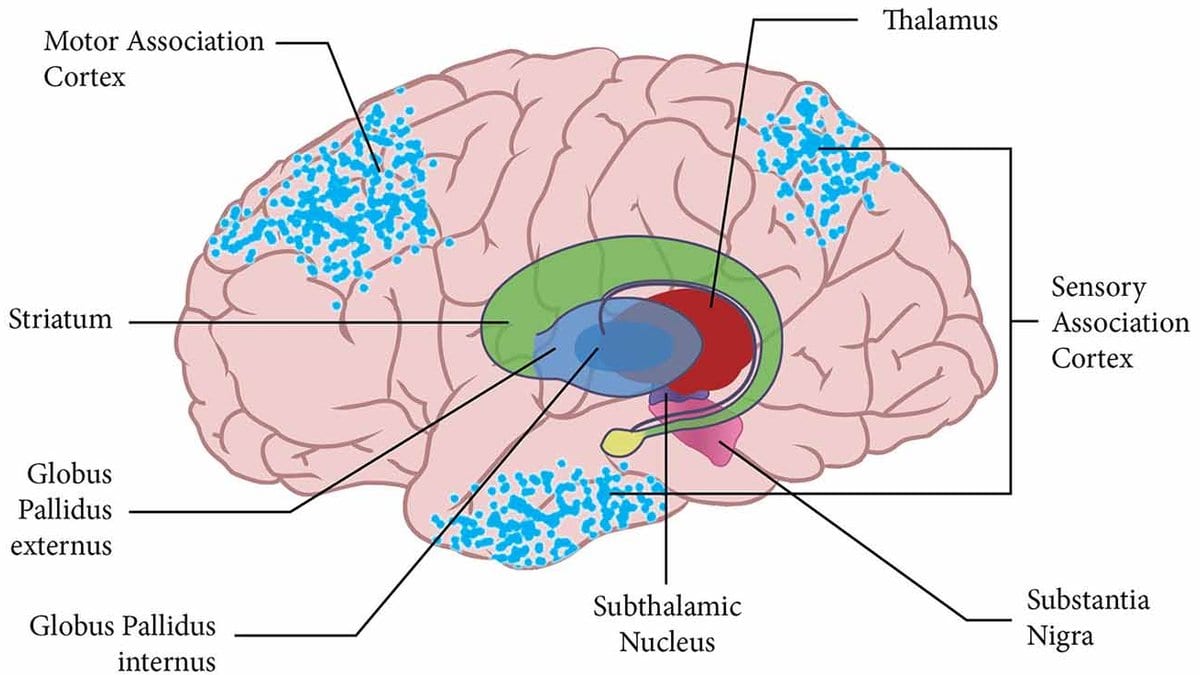
The BRAIN Initiative Cell Atlas Network has published a cell-by-cell map of the basal ganglia, the group of structures deep in the brain that are critical for movement, habit formation and decision-making. It was released Nov. 12, 2026, as a package of 26 studies in Cell Press journals.
In its own release, the Allen Institute describes the atlas as a common reference for the field, and calls this the first package in which every study classified cells with the same framework. All the data and findings will be shared openly, according to the release. Parkinson's disease, Huntington's disease, schizophrenia, bipolar disorder and addiction all have genetic and molecular ties to the region.
Researchers profiled 25.5 million individual cells, according to the release, 21.0 million of them human and the rest from macaques and marmosets. More than 50 institutions took part, and the National Institutes of Health's BRAIN Initiative funded the work.
One of the studies reports a rare type of neuron that earlier work had missed and that carries elevated schizophrenia risk. "This atlas narrows the genetic disease signal down to a specific population that researchers can now explore," said Nelson Johansen, a study author and assistant investigator at the Allen Institute.
Another of the studies, led at the University of California, San Francisco, reports genetic changes in basal ganglia cell types that could play a role in autism. A group at the Broad Institute found changes in gene expression associated with aging across many cell types. A third describes a version of an existing gene therapy for the tremors of Parkinson's disease that the release says worked better in animal models than current treatments.
In the release, the atlas is the first major output of the network, which is working toward a complete list of the cell types in the whole human brain.
Sources
- CellPeer-reviewed
- www.eurekalert.org