The Human Brain Clears Away Its Broken Neurons Around Birth
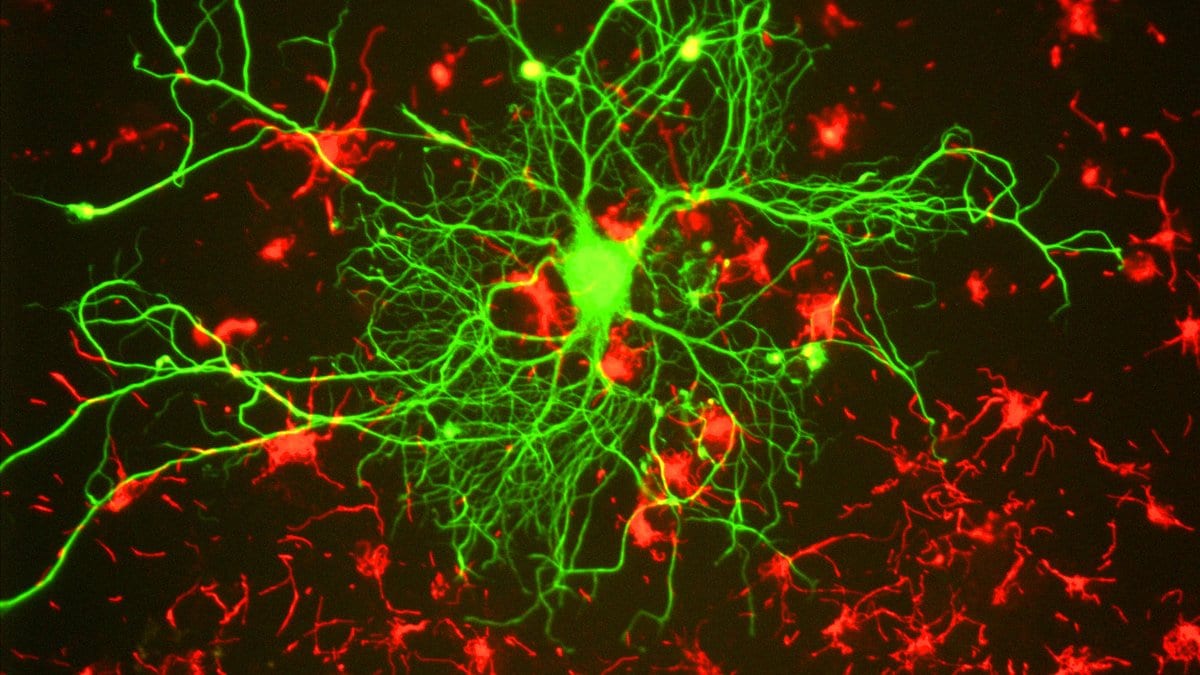
A team at Boston Children's Hospital and Harvard Medical School sequenced the genomes of 2,357 individual neurons from donated postmortem human brains, spanning fetal tissue to old age, and found that neurons with badly disordered genomes are largely gone by the time a child is born. The study was published Oct. 28, 2026.
The authors of the Nature paper read that pattern as a quality-control step in ordinary brain development: the cells with the most disordered genomes drop away just as the cortex is wiring itself up, leaving a person with neurons that are mostly intact. They suggest the process may be vulnerable in neurodevelopmental disease.
The team reports that an average of 25.9% of prenatal cortical neurons carried widespread copy number variants, meaning extra or missing stretches of DNA across several chromosomes. That share fell about 4.5-fold after birth and stayed low through infancy and into old age. Two different single-cell sequencing methods, run on separate sets of cells, gave the same answer.
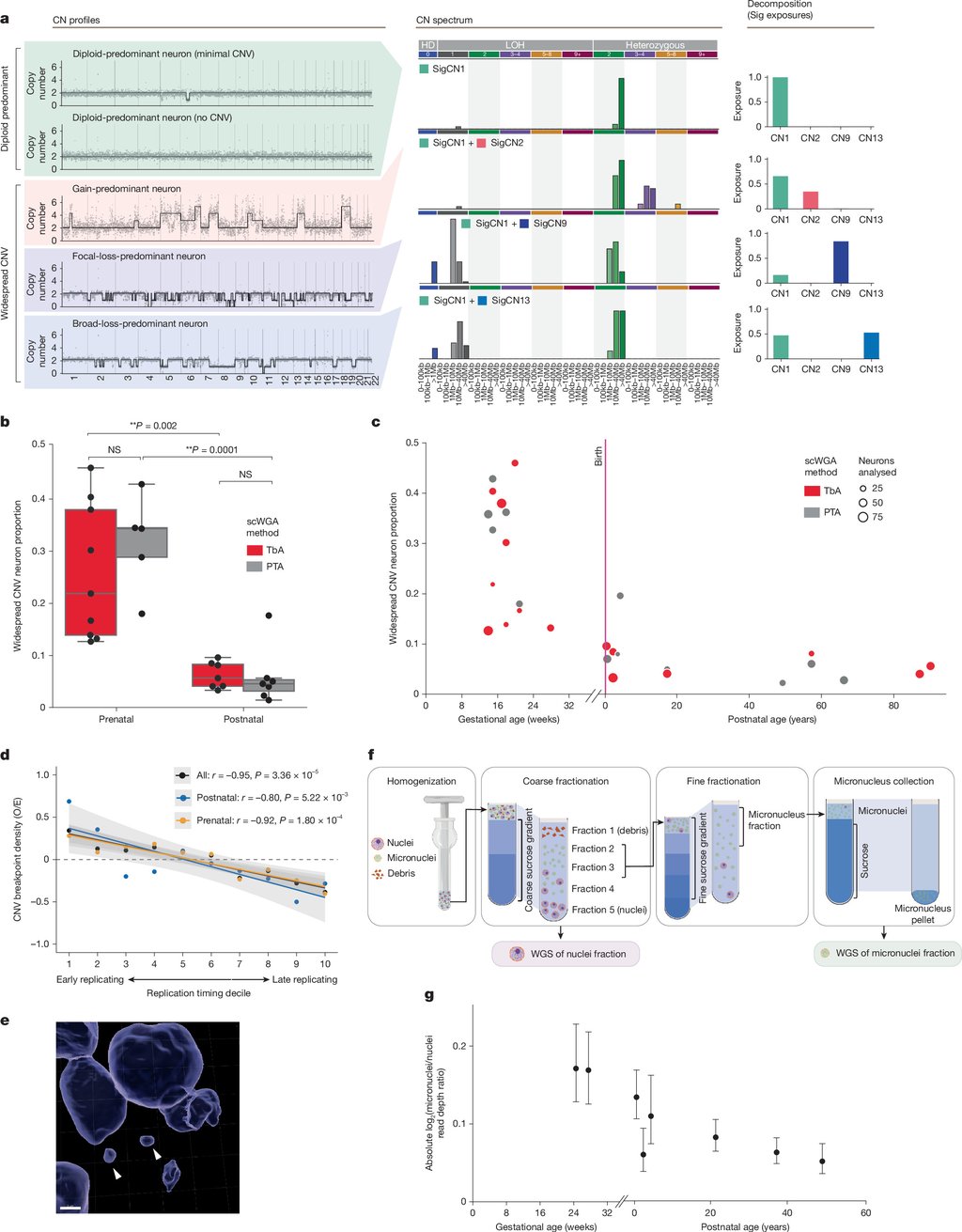
The timing matches a long-described wave of cell death in the developing cortex, which earlier work puts close to birth. How much genome damage adult neurons carry has been argued over for years, with some studies reporting it as common and others as rare. The paper attributes that disagreement to differences in method and in how sensitive each technique is.
The group also profiled 44,861 cell nuclei for gene activity. Neurons with the heaviest genome damage showed abnormal activity in genes that build synapses, which the authors offer as one route by which the faulty cells might be selected against. Among the neurons that survived, the copy number changes left behind tended to spare genes that are sensitive to dosage and genes tied to neurodevelopmental disorders.
Sources
- NaturePeer-reviewed