Thousands of Animal and Human Samples Used in Studies With Antibodies That Failed Testing
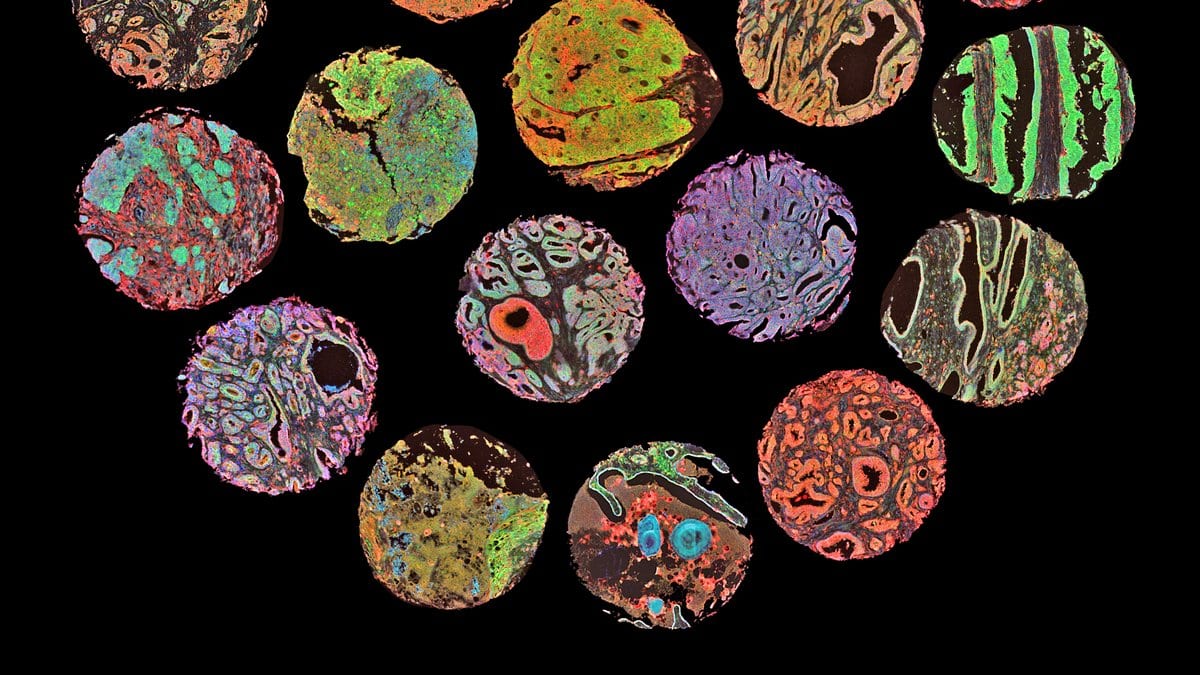
Research antibodies that failed every laboratory test they were put through have been used in hundreds of published papers, and those papers documented a minimum of 8,064 animal samples and 4,424 human tissue samples, a University of Leicester team reported Oct. 6, 2026, in PLOS Biology.
Antibodies are the standard reagent for picking a single protein out of a sample, and one that binds the wrong target makes every result built on it unreliable. The authors of the Leicester analysis write that the animal and human material consumed in such experiments had not been counted before, and that their figures are meant to support coordinated action across the research system to reduce avoidable waste.
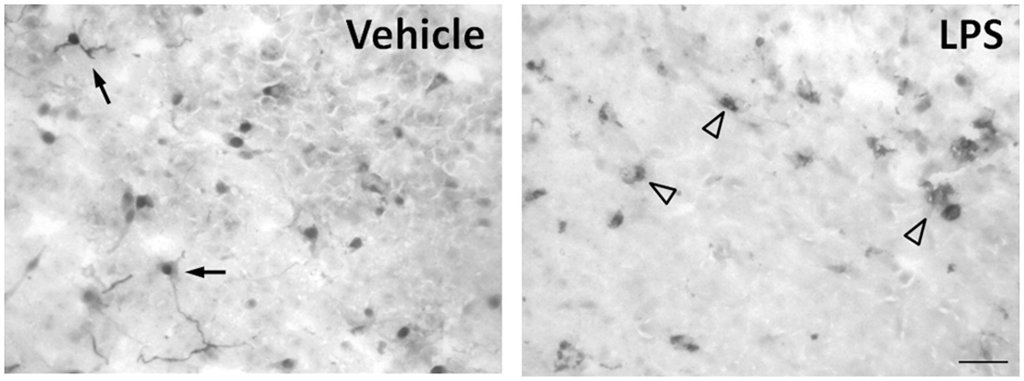
The team began with 614 antibodies that had been tested against knockout controls, cells engineered to lack the target protein so that any remaining signal must come from something else. Of those, 97 failed in every application tested. A search for published work that had used them turned up 760 papers whose validation status could be confirmed, and only 120 of them presented any validation evidence. In the group's own survey, 72.0% of researchers said they had used at least one recommended validation method.
Papers without that evidence carry the sample counts. The authors call these samples at risk of waste rather than waste outright, reserving the second word for material used with antibodies that have since been withdrawn from sale and whose results therefore cannot be reproduced. On that narrower basis they extrapolate to a lower-bound estimate of millions of animal and human samples used worldwide, a calculation of their own with no outside measurement behind it.
Time, cost and a lack of supervisor support were the main obstacles researchers named in the survey. A companion paper from the same group, published the same day, reports an expert panel's consensus on what institutions, funders, publishers and antibody manufacturers should each do about it. Both studies were funded by the NC3Rs, the UK body for replacing and reducing animal use in research, and by the Medical Research Council.
Sources
- PLOS BiologyPeer-reviewed
- journals.plos.org

Medical Disclaimer: This content is provided for general informational and educational purposes only. It is not medical advice and should not be used as a substitute for professional medical advice, diagnosis, or treatment. Always consult a qualified healthcare professional regarding any medical condition, concern, symptom, or treatment decision.