Bone Scraps From a Siberian Cave Came From a Lost Relative of the Yak
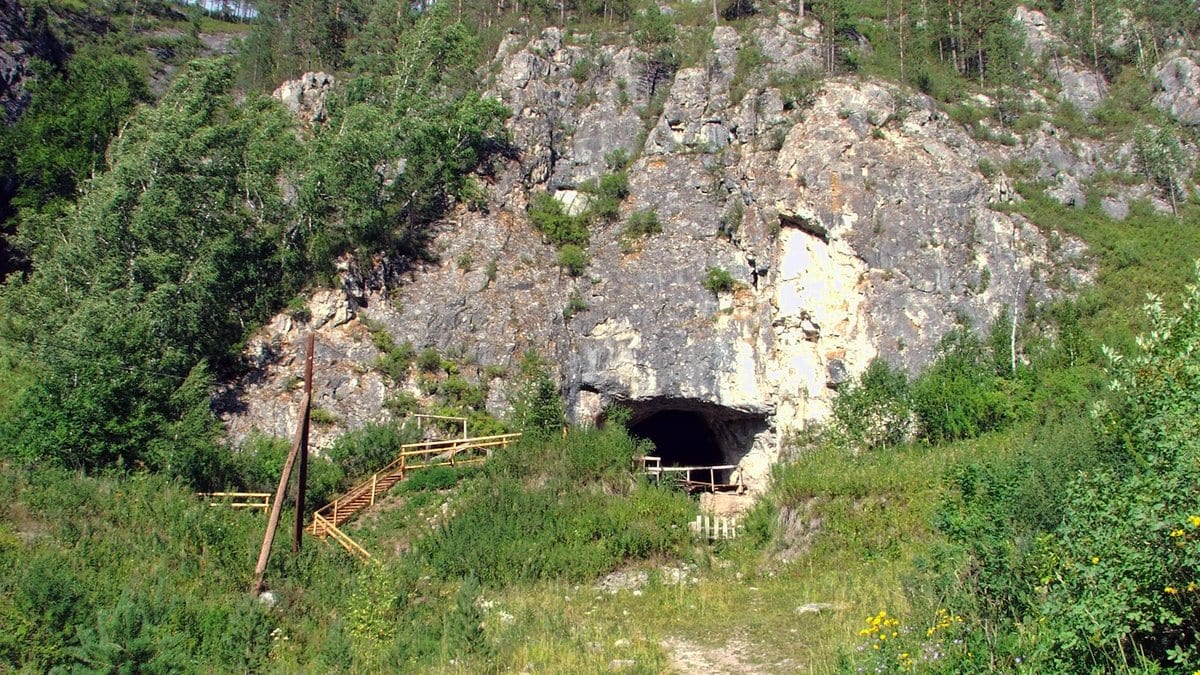
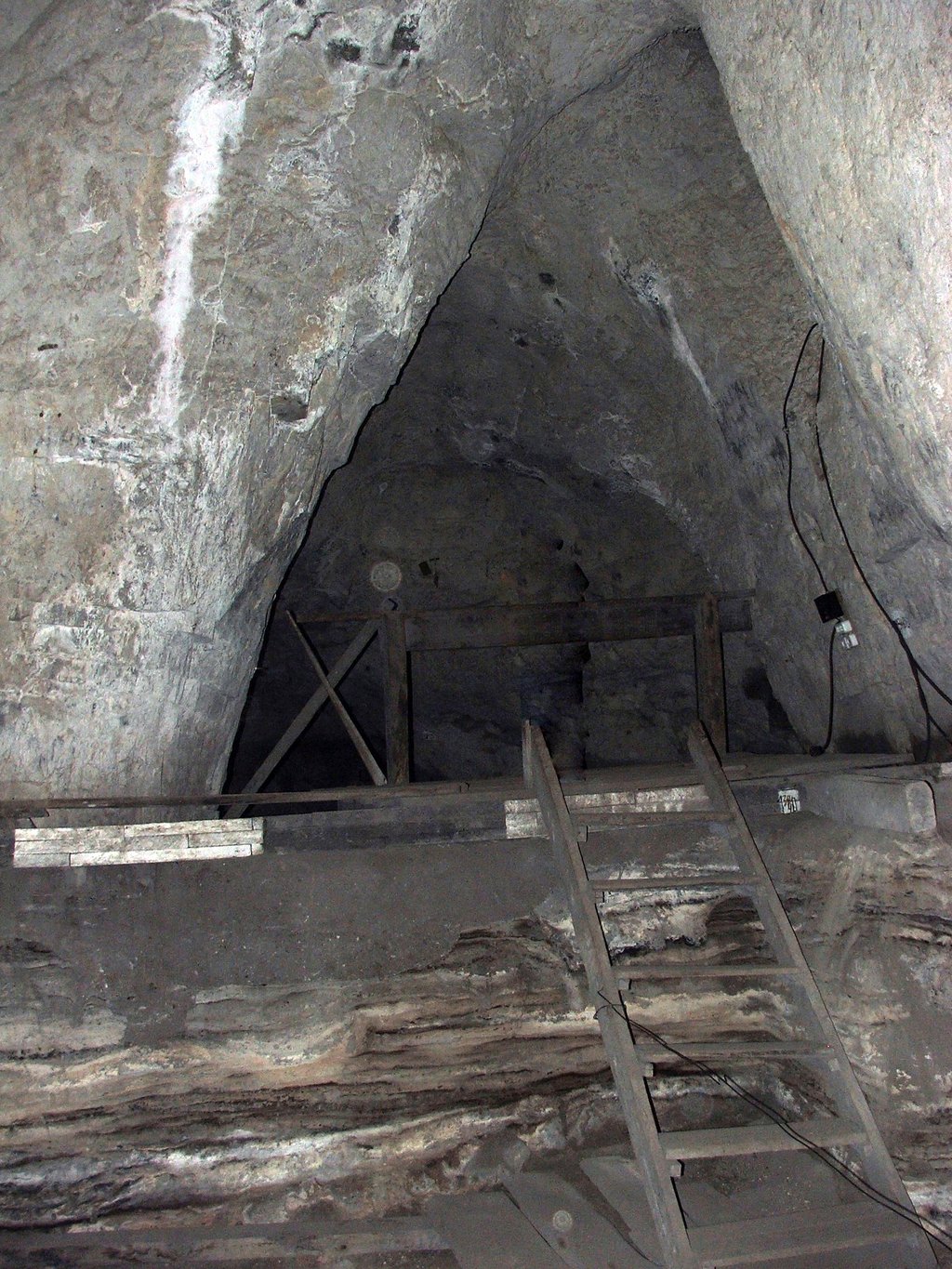
Bone fragments too small to identify by shape, from Denisova Cave and other sites in southern Siberia, carried the DNA of an extinct relative of cattle and yaks that has never been described. These are cattle relatives, not early humans: the cave is best known for the Denisovans, an archaic human group, and this animal sits in the family of cattle, bison and yaks.
The findings were published Oct. 5, 2026, in Current Biology. Researchers at the Centre for Palaeogenetics in Stockholm, the University of California, Santa Cruz, and the University of Vienna recovered 20 ancient genomes spanning 200,000 years from the fragments. Jonas Oppenheimer, a postdoctoral researcher there and one of two lead authors, said a span that long is rare in ancient DNA and lets the team see how entire ice age cycles might have affected biodiversity.
No name has been proposed. Genetic evidence on its own is not enough to formally classify and name a species, according to Stockholm University's announcement, and the researchers plan to compare the genomes with yak-like remains already described from the region.
Comparisons with other bovine genomes put the split from modern yaks at around 400,000 years ago, with full separation by about 250,000 years ago. Alexandre Gilardet, the other lead author, said that is as deep as the divergence between brown bears and polar bears.
Love Dalén, the senior author and a professor of evolutionary genomics, called it "a remarkable discovery of a large extinct species based on small non-diagnostic bones," meaning fragments nobody could assign to a species by shape.
A population turnover around 120,000 years ago, during a warm period between ice ages, cost the lineage genetic diversity. Oppenheimer said that could reflect what a warming climate does to a cold-adapted species. The genomes show almost no interbreeding with other bovines nearby, such as steppe bison or aurochs, the wild ancestor of cattle.
The youngest bone analyzed is around 27,000 years old, and when the animal died out is not known. Wild yaks today live only at the higher elevations of the Tibetan Plateau.
Sources
- Current BiologyPeer-reviewed
- www.eurekalert.org