Antarctic Ozone Hole Was One of the Smallest in Two Decades, WMO Says
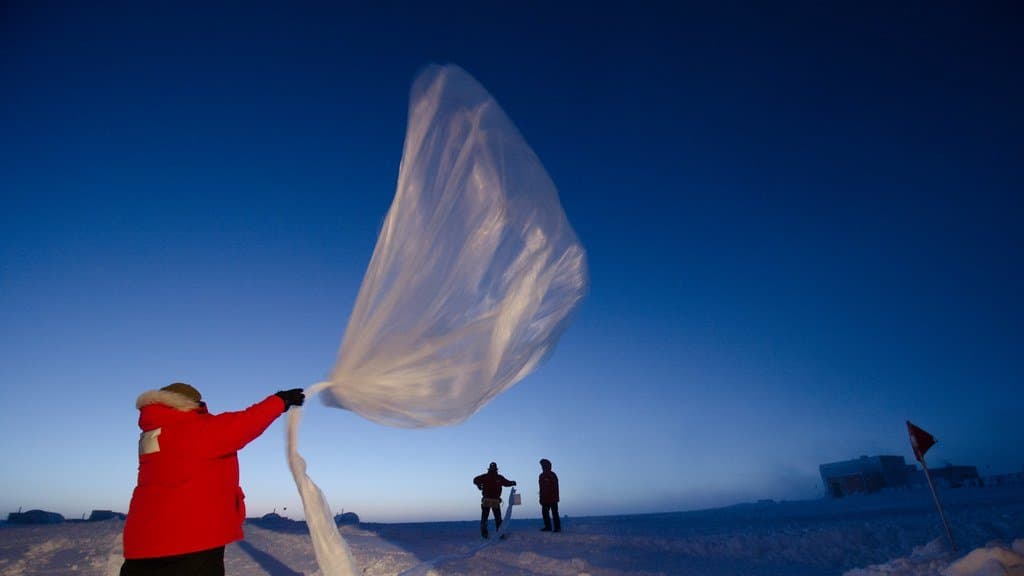
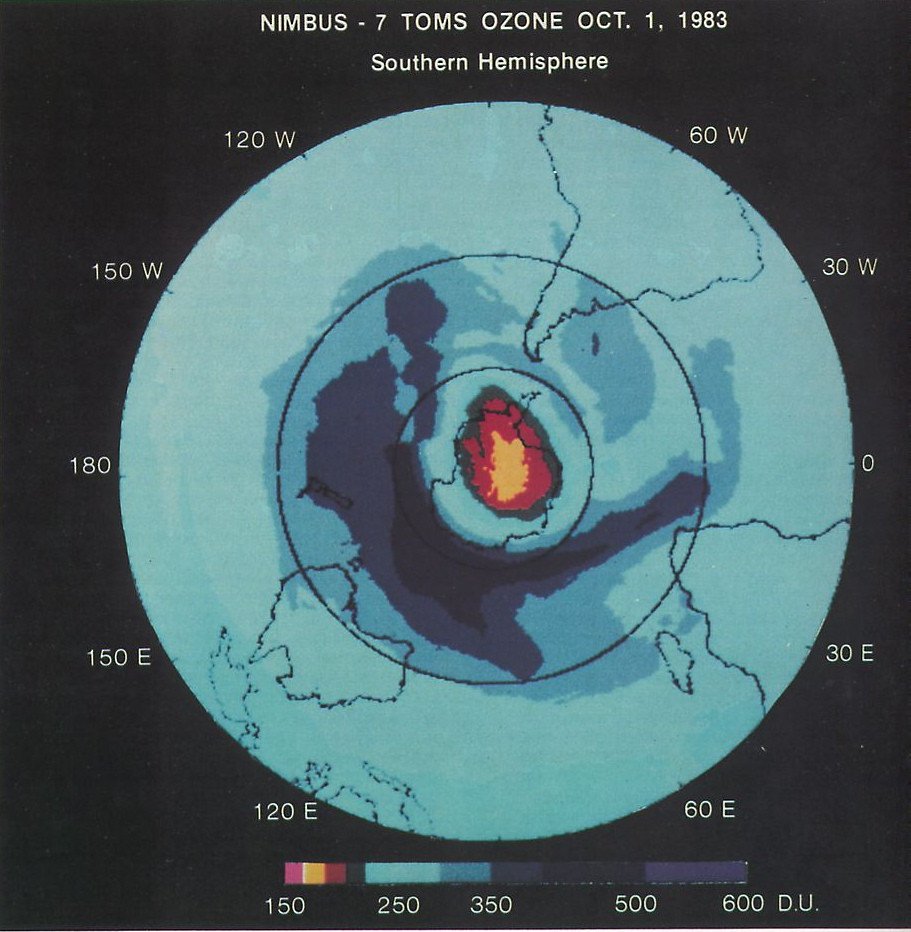
The Antarctic ozone hole in 2025 was one of the least severe in more than two decades, the World Meteorological Organization reported in its annual ozone bulletin, published Sept. 16. It was the second year in a row in which both the depth and the extent of the hole stayed significantly below the 1990–2010 average.
WMO puts out the bulletin each year as a scientific update on the state of the ozone layer and on ultraviolet radiation reaching the ground. It describes the series as tracking how far recovery has come and making the case for continued monitoring.
The hole's maximum ozone mass deficit, meaning the amount of ozone missing from the layer above Antarctica, reached 36.7 million tons. The 1990–2010 average is 50.1 million tons, according to the bulletin. That ranks the 2025 hole fourth to fifth weakest since severe depletion patterns were first observed in 1992. The loss also ran early, with the fastest depletion at the start of September rather than in October, when the seasonal peak normally falls.
Year-to-year swings, WMO says, are driven by the large-scale weather patterns that carry air over Antarctica each spring. They sit within a longer trend the agency credits to the Montreal Protocol, the treaty that phased out chlorofluorocarbons. "This is an environmental success story. Since 2000, the ozone layer has been recovering, and we can expect full recovery within several decades," WMO Secretary-General Celeste Saulo said in the organization's announcement of the bulletin.
The same announcement also points to two problems. Ultraviolet radiation has risen by as much as 20% in parts of Europe since the mid-1990s, driven mainly by thinner cloud cover and longer annual sunshine, and higher exposure raises the risk of skin cancer. And the ground network measuring ozone has shrunk from about 130 active stations in the early 2000s to 110, and the closures have fallen where readings were already thin.
