USGS Scientists Estimate US Wind Farms Have Killed 18.7 Million Bats
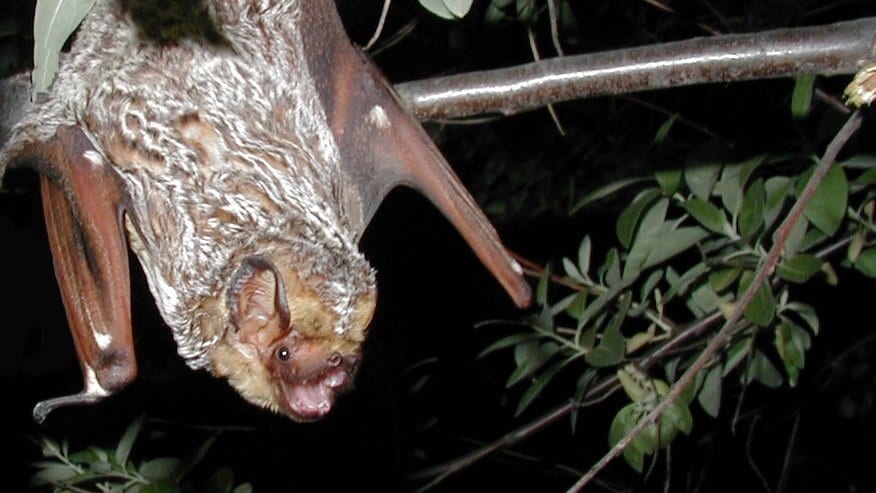
US Geological Survey scientists estimate that about 18.7 million bats of ten species were killed at onshore wind energy facilities in the contiguous United States between 1981 and 2024. The figure is the output of a statistical model rather than a count of dead bats found under turbines, and the authors report species-by-species totals well above earlier estimates.
The model was built to answer questions that site-by-site monitoring cannot. USGS says it can estimate deaths at facilities and in years nobody surveyed, pick out what drives them, and map where each species is most at risk. That could help decide where wind facilities are built and how their turbines are designed.
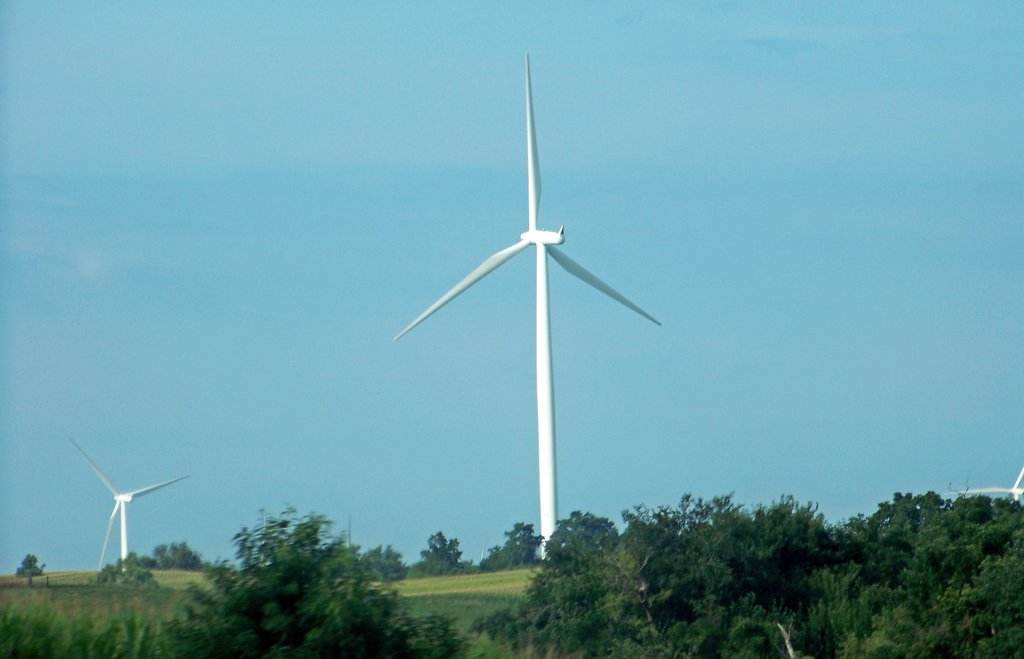
The team pooled 499 monitoring reports, the surveys of dead bats that wind projects file after they are built, from 277 US wind facilities. The paper was published Oct. 26, 2026, in Proceedings of the National Academy of Sciences, with Charles J. Labuzzetta of the USGS Fort Collins Science Center as first author. Until now that monitoring was done one site at a time for regulatory compliance, which left data gathered and analyzed in different ways.
The species with the largest estimated totals are hoary bats, eastern red bats and silver-haired bats, all migratory, tree-roosting animals rather than the cave-hibernating bats hit hardest by white-nose syndrome, a fatal disease of North American bats. The predicted total may be comparable to losses from that disease, and that because the two threats fall largely on different species, their effects may compound.
The authors report that higher death counts at a site, across several species, were associated with turbines whose blades sweep a larger circle, blades that come closer to the ground, and sites nearer a river. They say those patterns point to ways of cutting losses through turbine design and siting.
Nationwide, USGS says, the model predicts more than 1.5 million bat deaths a year from 2021 onward. The published record lists support from the US Department of Energy.