Plankton Metabolism May Explain a Quarter of the Ice Age Drop in Carbon Dioxide
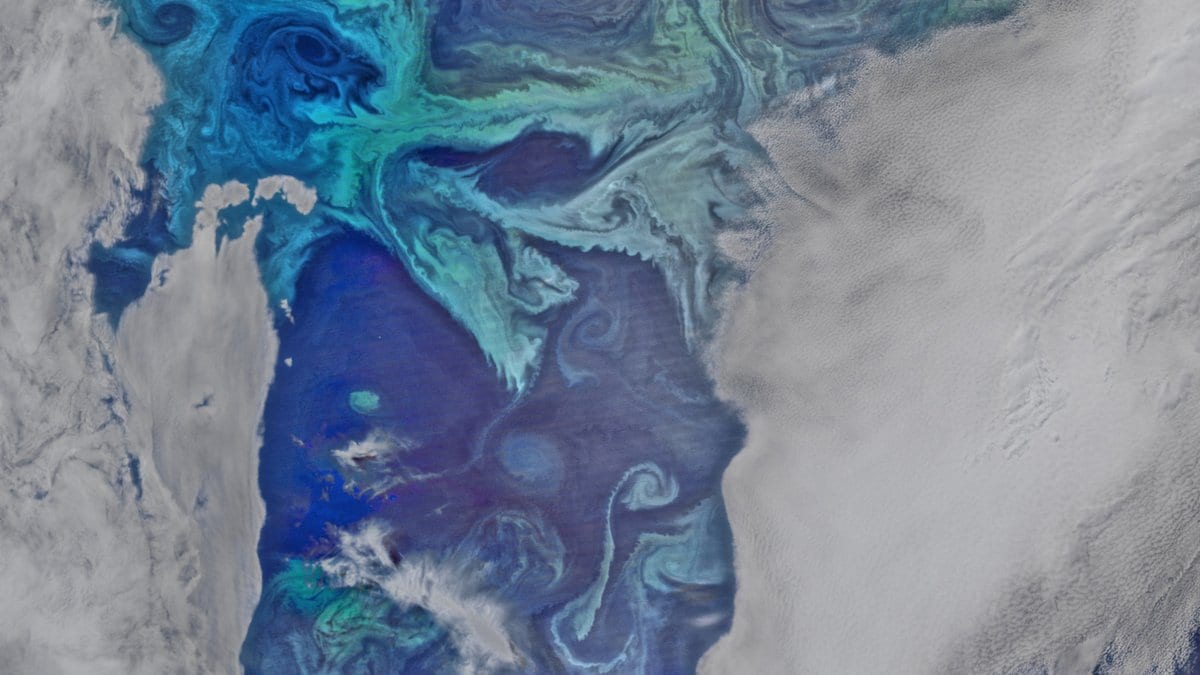
Plankton metabolism could account for about a quarter of the carbon dioxide that left the atmosphere at the coldest point of the last ice age, according to a study published Oct. 29, 2026, in Nature Communications.
B. B. Cael of the University of Chicago and the National Oceanography Centre in Southampton, U.K., and four colleagues put that share at 20 parts per million, give or take 5. The gap between the Last Glacial Maximum and the Holocene, the warm period that followed, is about 90 parts per million. The study describes the cause of that gap as a longstanding question, and one that matters for describing glacial cycles and for using ice age climate information in climate predictions.
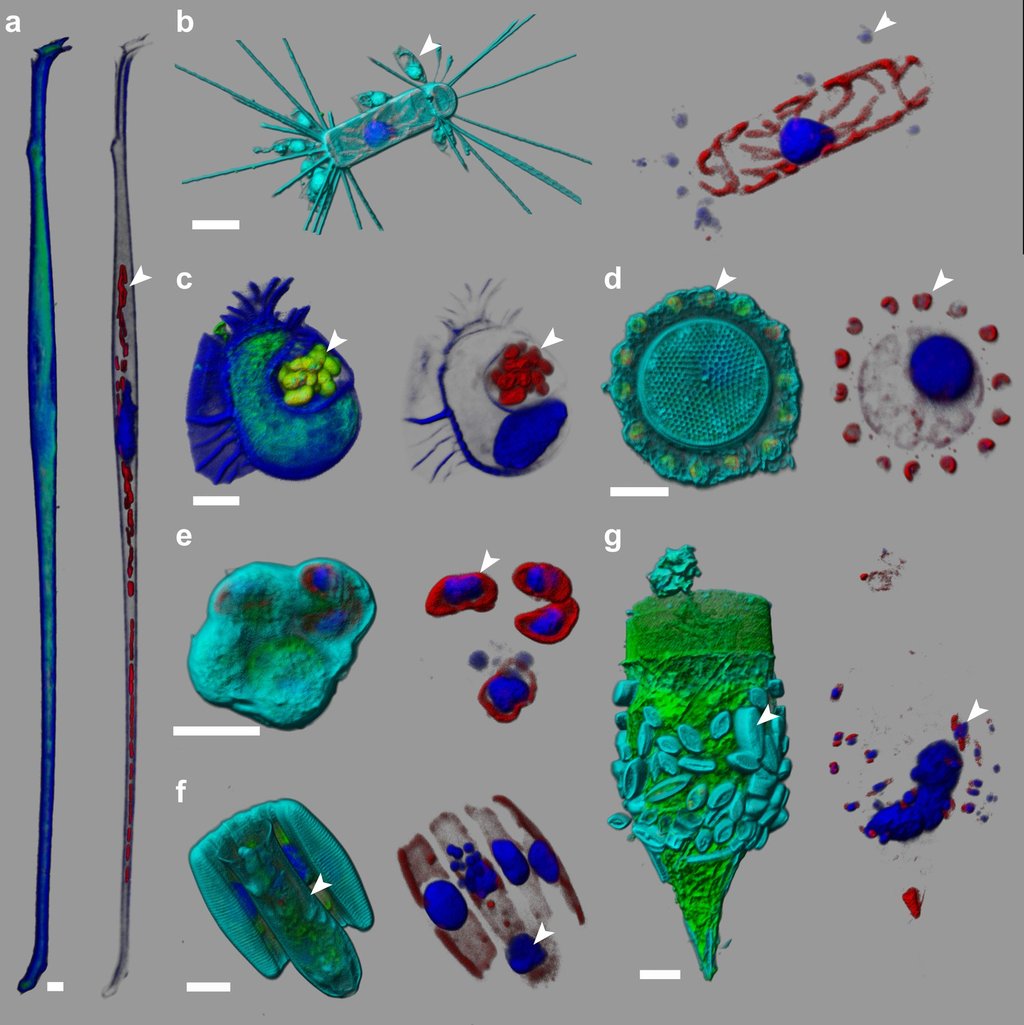
The authors report that the plankton that capture carbon through photosynthesis respond less strongly to temperature than the plankton that feed on them. In colder water, the balance therefore tips toward sending carbon into the deep ocean and storing it there. They built a model from the principles of metabolic theory in ecology, checked its predictions against compilations of measurements, and then fed in reconstructed sea surface temperatures.
Holding everything else at its pre-industrial state, including how much carbon the plankton produce and the ocean's chemical buffering capacity, the authors calculate the feedback at 6.2 parts per million for each degree of change in global mean sea surface temperature. A simplified global Earth system model, one that does let nutrient limits and plankton production differ between ice ages and warm periods, gave them a similar 18 parts per million.
Cael and colleagues present the result as one contribution among several rather than the whole answer, reporting that their findings are consistent with several temperature-driven mechanisms acting together to shape carbon dioxide swings between glacial and warm periods.
Cael's work on the study was supported by Schmidt Futures through the Virtual Earth System Research Institute and by the Horizon Europe research program, per the paper's funding statement.
Sources
- Nature CommunicationsPeer-reviewed