London Children's Lungs Grew Faster After the City's Clean-Air Zone Began
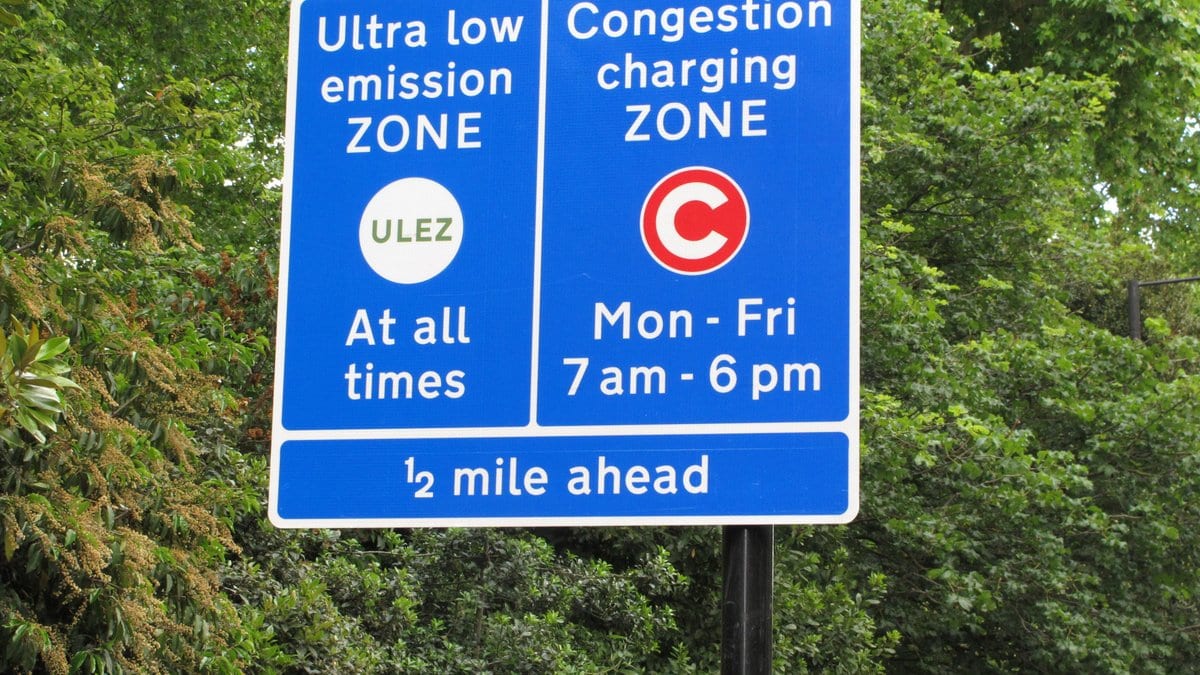
Children in London gained lung function faster than a comparison group in Luton over the five years after London's ultra low emission zone was introduced, a cohort study led from Queen Mary University of London reports. The paper was published Aug. 18 in The Lancet Public Health under DOI 10.1016/S2468-2667(26)00163-5.
The study, called Children's Health in London and Luton, or CHILL, followed more than 3,400 children aged 6 to 9 at 84 primary schools in the two cities, with annual visits from 2018 to 2022, according to Queen Mary's release. The Luton children were the control group.
Over those five years, exposure to nitrogen dioxide among the London children "fell twice as fast and more than twice as much" as among the children in Luton, the release states. As that exposure fell, the London children's FEV1, the volume of air a person can force out of the lungs in one second, increased by 10 milliliters a year more than the Luton children's.
The two groups did not start level. Measurements taken before the zone was introduced "showed that children in London had significantly smaller lungs compared to children living in Luton," Queen Mary says, and by the end of the five years FEV1 was the same in both cities, which the release describes as the London children catching up.
The share of children whose lung function was clinically impaired fell from 14% to 9% in London and from 9% to 7% in Luton, per the release. Queen Mary describes the improved growth as "strongly related to air quality improvements," an association measured across two cities rather than a result from a trial.
"We already knew that the ULEZ reduced air pollution but now we know that children's lung health has improved at the same time," said Helen Wood, a research fellow at Queen Mary and the study's lead author.
The work was funded by the National Institute for Health and Care Research. Air pollution in London "remains above WHO guideline levels, so there is still work to be done," the release says.
Sources
- www.thelancet.comPeer-reviewed
Medical Disclaimer: This content is provided for general informational and educational purposes only. It is not medical advice and should not be used as a substitute for professional medical advice, diagnosis, or treatment. Always consult a qualified healthcare professional regarding any medical condition, concern, symptom, or treatment decision.