At COP31, Scientist Says Two in Five Pacific Buoys That Track El Niño Are Gone

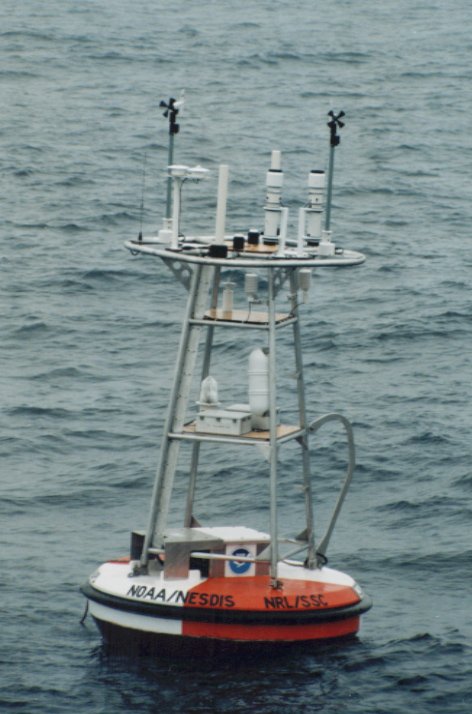
ANTALYA, Türkiye — The tropical Pacific's array of anchored buoys, whose records matter for understanding El Niño and for seasonal forecasts, has fallen from 67 moorings around 2010 to 40 today, the chair of the World Climate Research Programme's Joint Scientific Committee told COP31 delegates on Nov. 9, 2026.
"Plans to restore it exist, none are scheduled," Tim Naish, a professor of Earth sciences at Victoria University of Wellington, said at Earth Information Day, the session on climate observation at the talks, which run through Nov. 20, 2026, with Türkiye as host and Australia presiding over the negotiations. He also said the World Meteorological Organization forecasts this El Niño will be the strongest on record.
A review in Frontiers in Climate by Sophie Cravatte of the LEGOS laboratory in Toulouse and her co-authors, published in July 2026, records the same decline: the number of moorings reporting data fell after NOAA's servicing ship was decommissioned in 2012, Japan withdrew its western moorings from 2014, and no mooring near the equator has been deployed west of 165 degrees east since 2021, with none planned.
In an interview recorded for ALLATRA Media, Naish said climate science is short of funding worldwide. "We're only just holding on to some of those key observations and models we need," he noted. The gap that worries him most is the local one: "Global sea level is important to know, but it's local sea level that floods your home."
Vincent-Henri Peuch, director for engagement with the European Union at the European Centre for Medium-Range Weather Forecasts, explained in an interview recorded for ALLATRA Media that air quality monitoring, like weather monitoring, is uneven: ground sensors cover big parts of Europe, North America and some of Asia well and are scarce or absent in other parts of the world. Without satellites, he added, "we would be completely blind about air quality in these places."
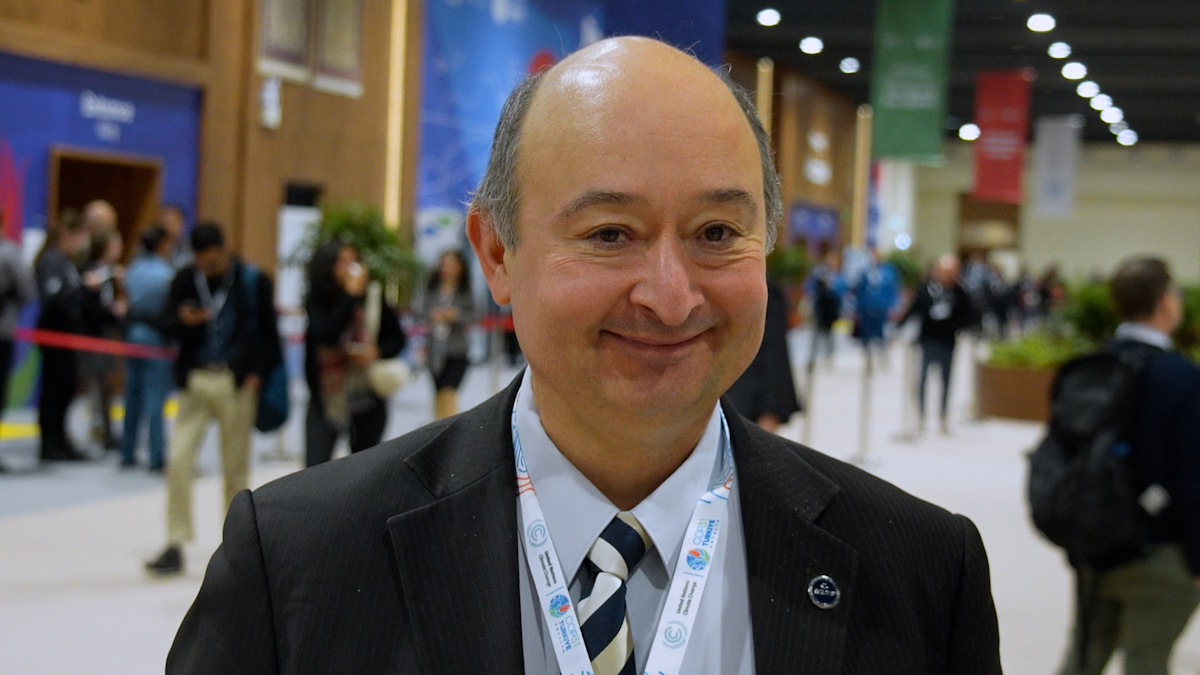
Naish said Africa and the Pacific islands lack capacity as well as observations, and he named the polar regions as a priority too. Both scientists described the same shortfall in different systems: a forecast is harder to trust where there are no local measurements to test it.
Sources
 By Nika Kulpin and Oli Kotyk