Rewetting Peatlands Works: Only if Water Tables Rise Above a Specific Depth
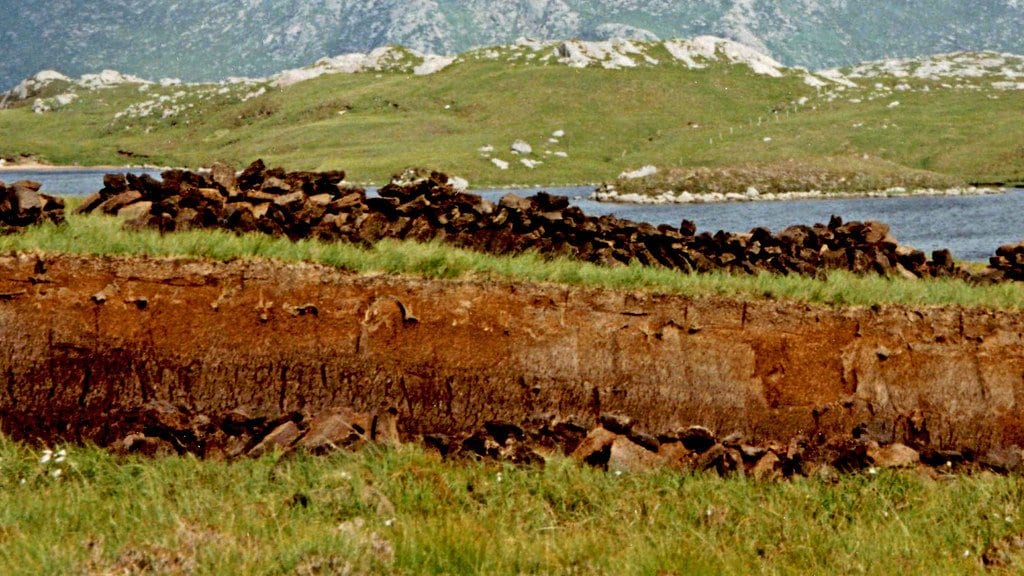
A synthesis of 276 site-years of peatland carbon measurements has put a concrete depth threshold on a widely used but loosely defined climate recommendation: raising the water table in drained peatlands reduces carbon dioxide emissions, but only once the table is brought above 60 to 75 centimeters below the surface, and the best result requires 20 centimeters or shallower.
The paper, published Sept. 4 in Nature Communications, also shows why the depth matters more as the planet warms. Nicolas Behrens, Mana Gharun, and colleagues used explainable machine learning to separate water-table effects from temperature effects across temperate and boreal peatlands — natural fens and bogs, croplands, grasslands and extraction sites. The study is open access.
Drained peatlands are already estimated to account for 2% to 5% of total anthropogenic greenhouse gas emissions, the paper states. Rewetting them is a recognized mitigation approach, and the EU Nature Restoration Law has set a target to restore 30% of drained agricultural peatlands by 2030. What the prior literature left imprecise was how much water table recovery was enough.
The new synthesis resolves that. On a 113 site-year subset of daily flux measurements, the authors found that higher water tables suppress temperature-driven CO2 release at warm sites, while deeper water tables amplify it. The paper's language: "hydrology regulates the temperature sensitivity of peatland carbon release, revealing a key control on carbon–climate feedbacks under future warming."
The dataset spans observations from 1999 to 2023. Land-cover types drained for forestry were excluded because plantation carbon cycles are not considered to be in a steady state.
Sources
- www.nature.comPeer-reviewed