Tiny Shore Crustaceans of the Same Size Carried Very Different Amounts of Plastic
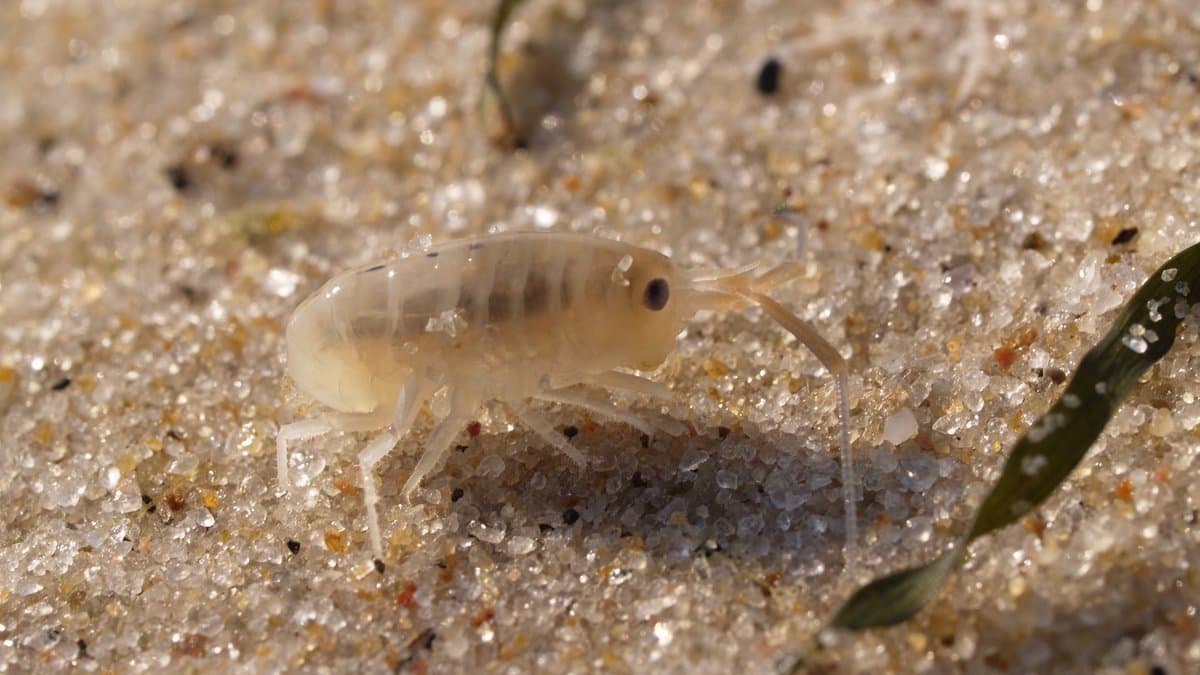
Six small shoreline crustaceans of about the same size and diet, collected along the same stretch of central Mediterranean coast, carried very different amounts of plastic, and the spread tracked differences in their mouthparts. Microplastic was present in 51.5% of individuals of one species, Parhyale plumicornis, and in 3.5% of another, Gammarus subtypicus, in a study published Sept. 25 in Scientific Reports.
The paper says the aim was to look for a relationship between the shape of these animals' mouthparts and how much plastic they take in along the coast. The six are peracarids, the small shrimp-like crustaceans that live in seaweed, wet sand and rock cracks at the water's edge.
The authors, led by Aldona Dobrzycka-Krahel of WSB Merito University in Gdansk and Sabrina Lo Brutto of the University of Palermo, examined the digestive canal of each species. Speziorchestia stephenseni, a beach hopper, was second at 40% of individuals, and Gammarus insensibilis was at 8.3%. The set also included Orchestia montagui and Ligia italica, a relative of the woodlouse. Every species averaged 12 mm in total length, and all fed on algae and decaying material. The figures are shares of individuals with at least one particle in the gut, not counts of particles per animal.
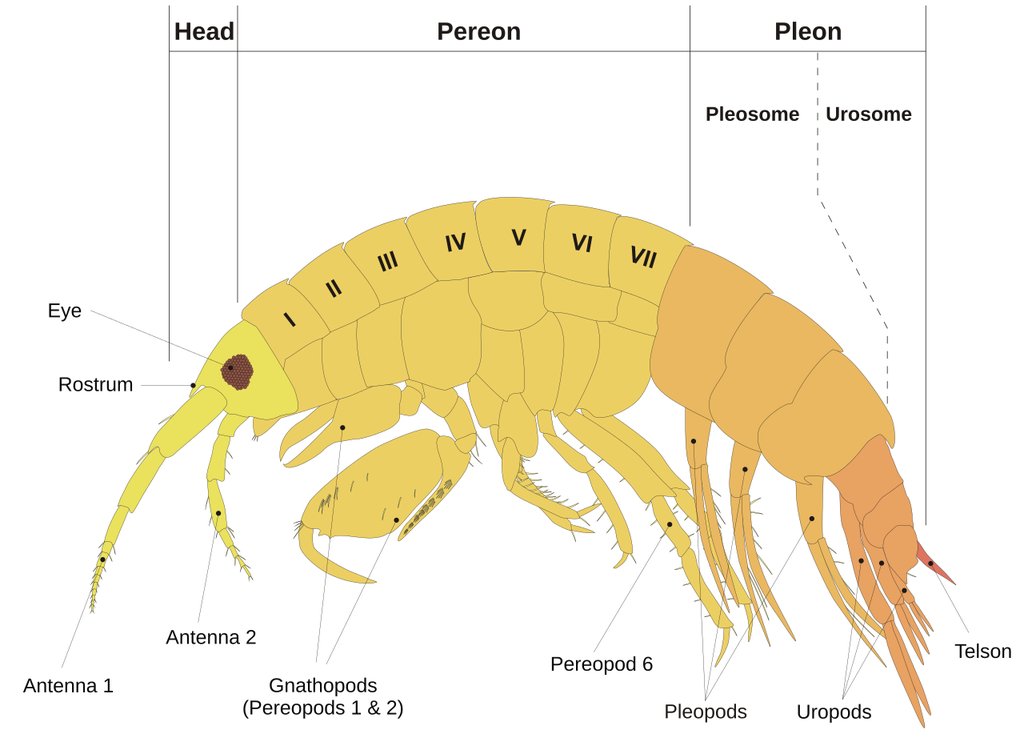
The two species with the most plastic share two traits of the mouthparts. Both lack the small feeler, called a palp, that sits on the jaw, and on the feeding limb just behind the jaw, a second such feeler is shortened or carries fewer joints. They write that the results may suggest these two species store increased levels of microplastic in coastal waters, because those traits leave them open to swallowing particles. The study shows an association between feeding anatomy and what was inside the animals, not a mechanism.
The paper is open access, and Scientific Reports has posted the accepted version ahead of the final edited one. The work was funded by the University of Palermo, the Gdańsk University of Technology and Italy's National Biodiversity Future Center.
Sources
- Scientific ReportsPeer-reviewed
