Company Sustainability Scores Track News Coverage More Than Forest Loss
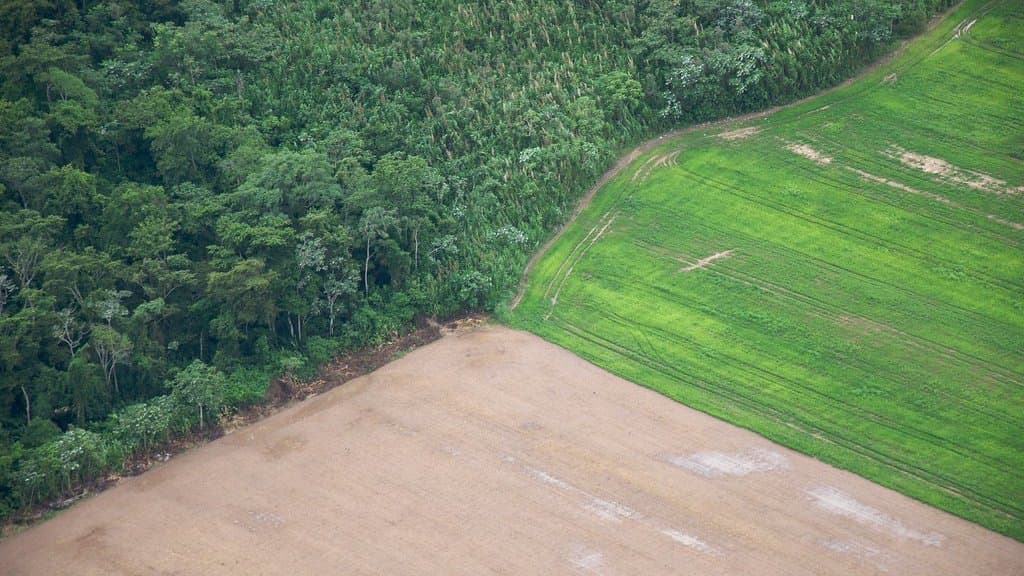
Corporate sustainability ratings do not reliably reflect how much forest a company is clearing, researchers at the National University of Singapore report in a study published Sept. 14 in the Proceedings of the National Academy of Sciences. They compared environmental, social and governance (ESG) ratings from five major providers against two satellite-based measures of company-level forest loss and found no evidence that the scores consistently penalize companies for deforestation.
The authors describe ESG assessments as a key source of information for sustainable investment decisions, noting that integrating satellite-measured, ground-checked deforestation data and supply chain information into those assessments is essential if ESG-driven investing is to curb deforestation.
The two measures were forest loss around corporate assets across sectors worldwide and exposure through supply chains to six forest-risk commodities in four tropical countries. On both, the ratings responded more to signals drawn from media coverage than to the forest loss measured from space.
The paper also reports differences by commodity. Companies with deforestation exposure through soy, pork and chicken supply chains received higher ESG scores, while palm oil producers were more consistently penalized.
The study was led by Yingtong Zhu of the Department of Biological Sciences at the National University of Singapore, with Johan Sulaeman of the university's Sustainable and Green Finance Institute and Luis Roman Carrasco, who holds appointments at both.
Sources
- Proceedings of the National Academy of SciencesPeer-reviewed