Record Heat and Record-Low Rivers Hit Europe at the Same Time
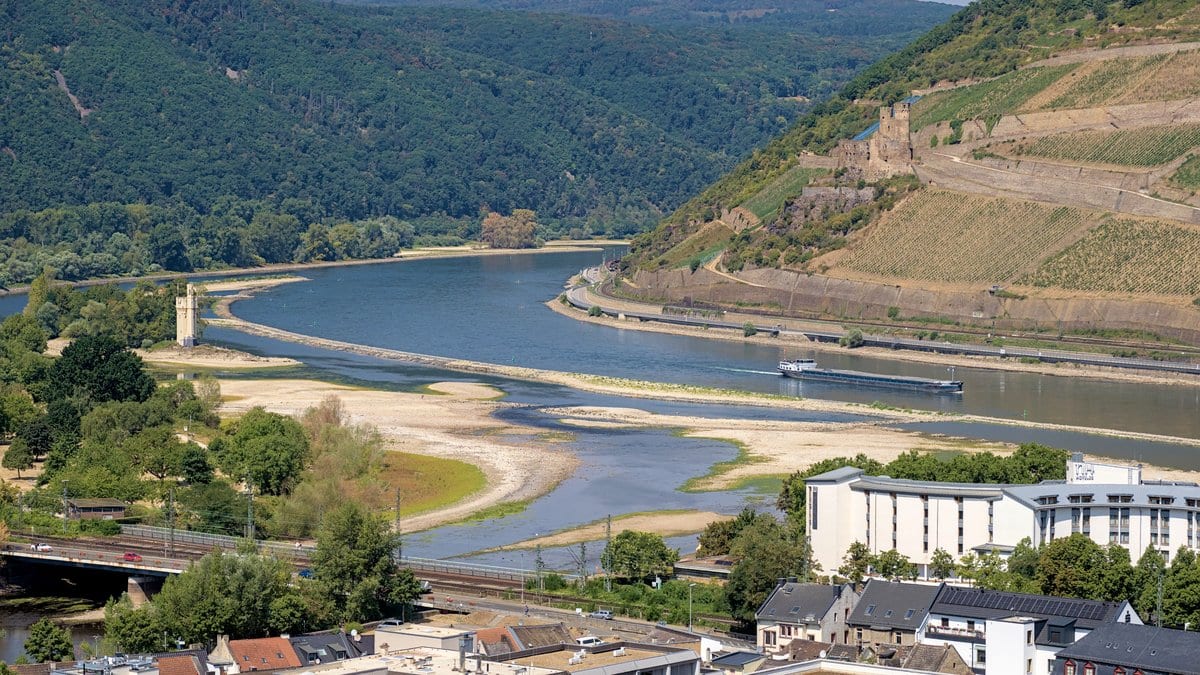
The European Union's Copernicus Climate Change Service reported on Oct. 2 that western Europe had its warmest summer in 2026 since its rankings began in 1950, averaging 21.7 °C across June, July and August. That is 2.5 °C above the region's 1991 to 2020 average and past the previous high set in 2003. Europe as a whole ranked third warmest.
Rivers across the continent ran exceptionally low. The Copernicus Emergency Management Service, which issued the assessment jointly with the climate service, calls it the most severe low-flow summer for Europe since the European Flood Awareness System began its river record in 1992. Record or near-record lows occurred on the Rhine, Danube, Po, Loire, Rhône and Seine in July and August. This low flow caused severe disruption to cargo transport and mounting pressure on irrigation, cooling water for nuclear reactors, hydropower and freshwater supply.
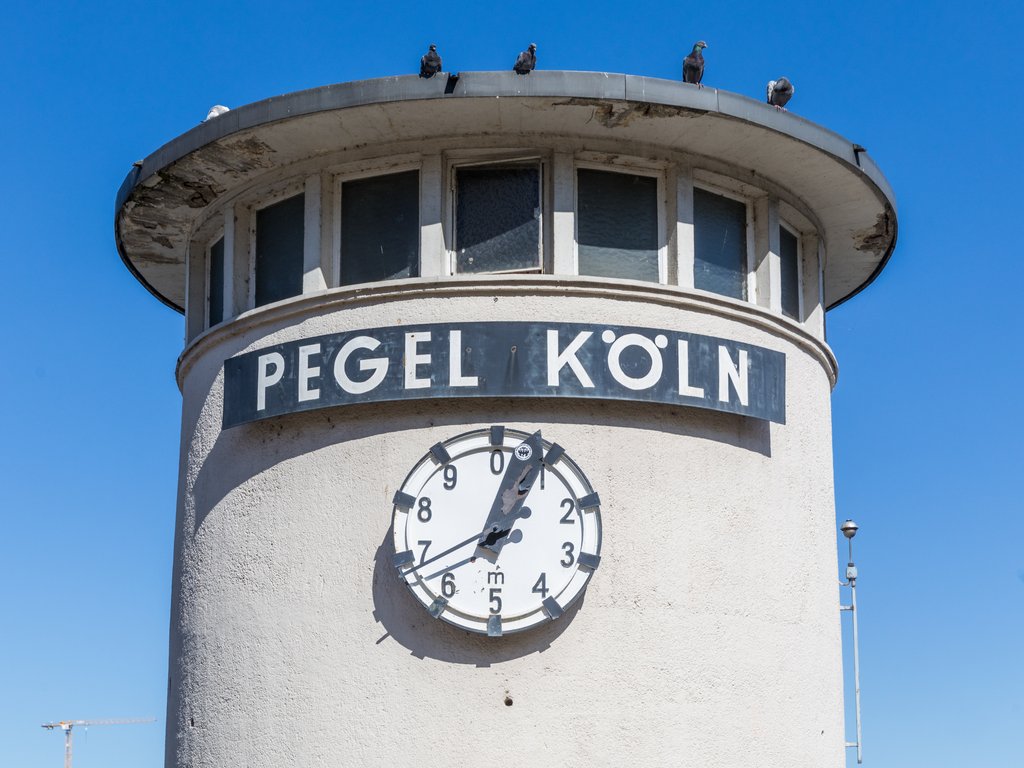
Heat stress was widespread. By the end of the season a record 52% of Europe had been exposed to at least very strong heat stress, which corresponds to feels-like temperatures of 38 °C or more. Averaged across western Europe, strong heat stress occurred on a record 41 days, and very strong heat stress on a record 13 days.
The heat arrived early. The first major heatwave reached large parts of western Europe in late May, and record daily temperatures also occurred in May and September. Europe's seas were exceptionally warm as well, with record or near-record surface temperatures along much of the Atlantic coast and in the western and central Mediterranean.
Both Copernicus services are run by the European Centre for Medium-Range Weather Forecasts. Samantha Burgess, its Strategic Lead for Climate, noted in the release, "Europe experienced a summer of compounded climate extremes in 2026." She added, "As the climate continues to warm, events like these underscore the importance of building resilience to increasingly interconnected climate risks."
The full seasonal report has not yet been published, and the release is the first public account of the assessment.