At COP31, Health Experts Argue Cutting Emissions Can Also Keep Care Running in Disasters
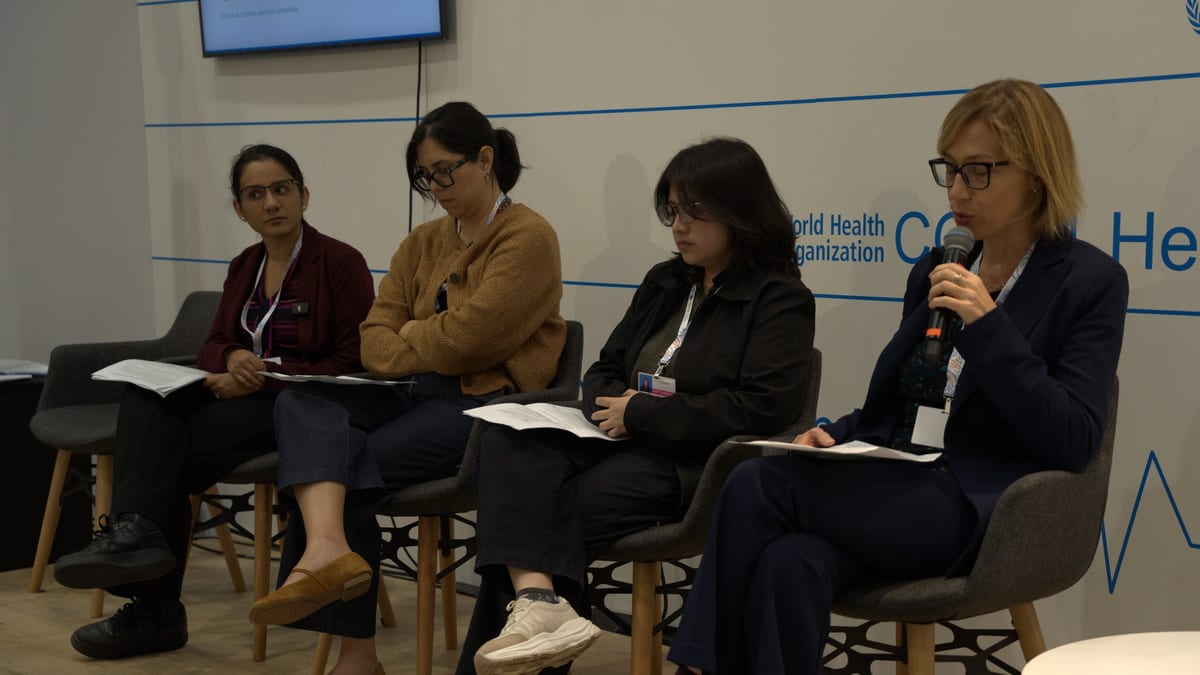
ANTALYA, Türkiye — Health care produces about 5% of global greenhouse gas emissions, the World Health Organization estimates. At WHO's Health Pavilion at COP31 on Nov. 14, 2026, panelists argued that shrinking that footprint can also keep care going when extreme weather strikes.
Ornella Punzo, a senior researcher at Italy's National Institute of Health, the Istituto Superiore di Sanità, said that resilience and cutting emissions are not competing priorities but two sides of the same health system.
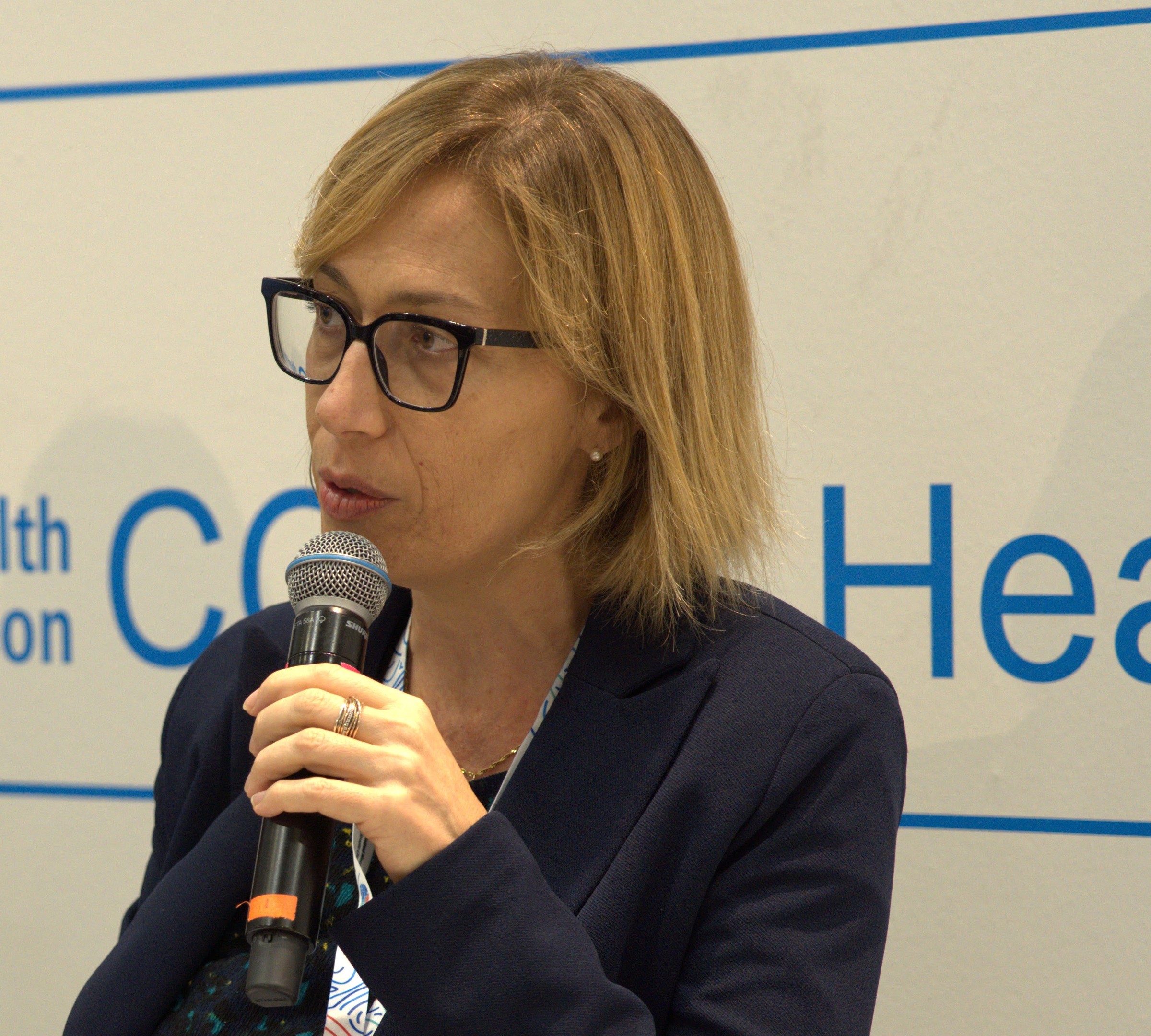
Francesco Colelli, a junior scientist at the Euro-Mediterranean Center on Climate Change, said by video that the risk of power outages from extreme weather is rising in many regions. A 2025 study he co-wrote found extreme weather raises outage risks at European power plants. Backup diesel generators add emissions and air pollution and depend on fuel deliveries that storms can cut, he added, while solar power with batteries can keep refrigeration, ventilation and essential equipment running.
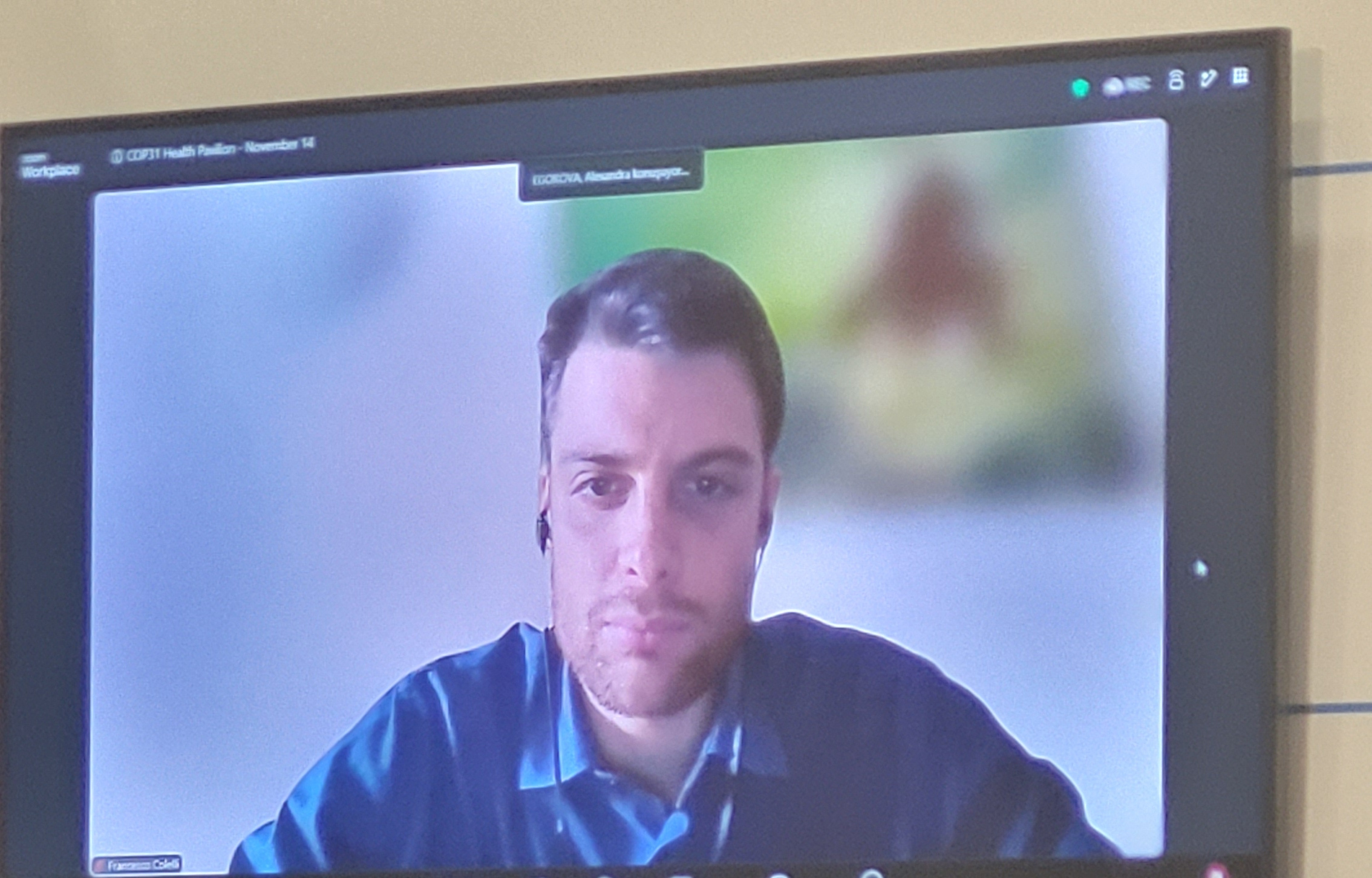
"I find, as a pharmacist, we're super lucky because we can look at areas like reducing plastic pollution, reducing emissions, reducing medication waste in a way that saves money," said Shellyza Sajwani, who co-chairs the Canadian Association of Pharmacy for the Environment.
Sajwani recalled that during her first week of chemotherapy eight years ago, tornadoes struck her home city of Ottawa, leaving her wondering how anyone could still get treatment. What she found most refreshing in a climate and health book to which she contributed, she added, was its attention to environmental sustainability, "including plastic reduction as well," alongside emission cuts and resilience. She said it describes 100 primary health care centers, 80 of which have solar power. For a pharmacist, that "means more and more people will have access to vaccines when there are issues with power," she noted.
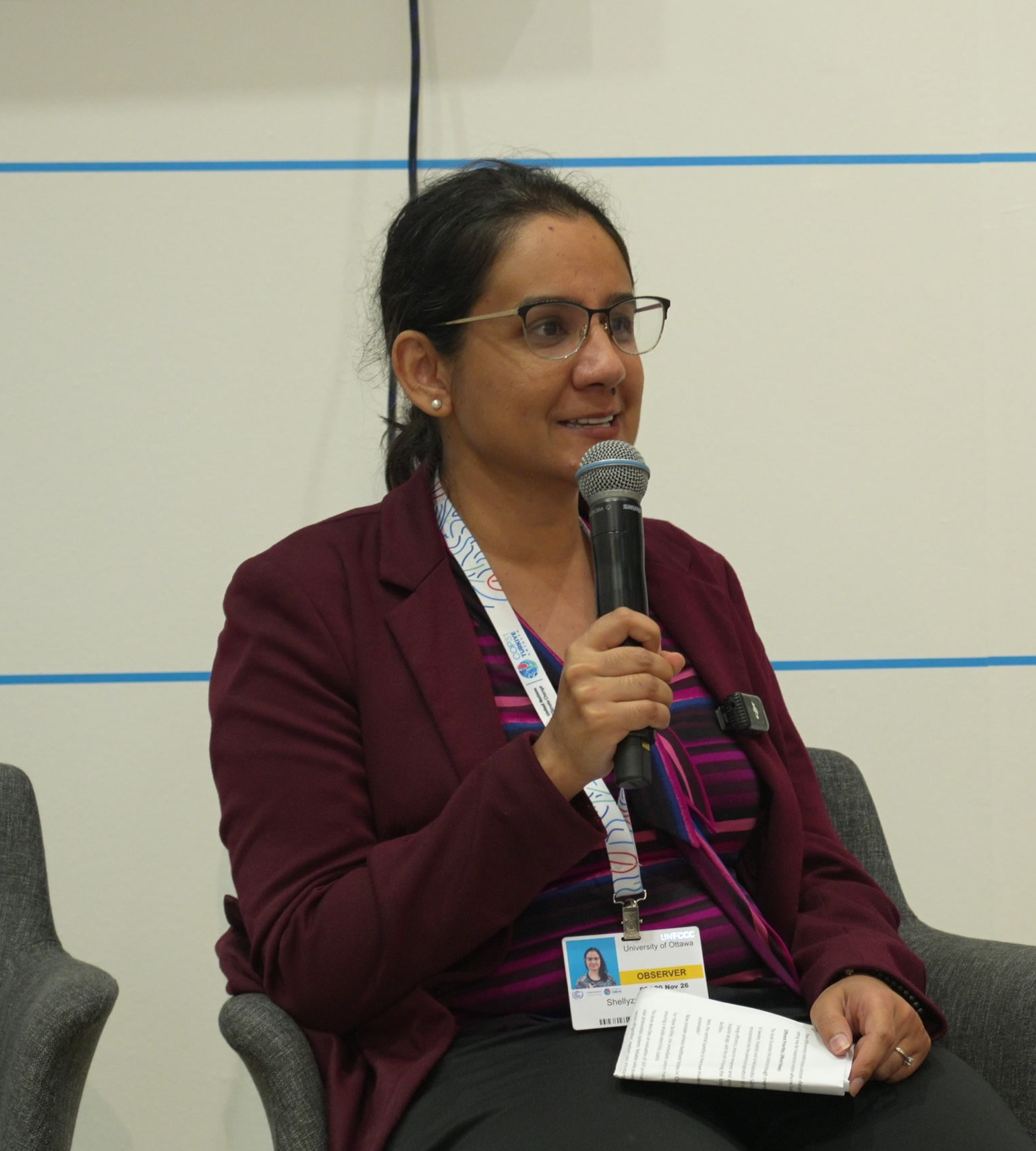
Answering a question from the audience about barriers to scaling up, Sajwani called it a myth that building resilience and cutting emissions require heavy investment. Sharper business cases are needed, she argued, for whole health systems, not just single pharmacies or hospitals.
The panel, "Climate-Resilient and Low-Carbon Health Systems: Lessons from Practice and Policy," drew on health systems from Italy to the Philippines. Closing her talk, Sajwani pointed the audience to the book, Healing in a Changing Climate: A Global Guide for Health Systems, which the WHO Health Pavilion's program lists for launch on Nov. 20, 2026, the day COP31 is scheduled to close, and said she had learned "so much about climate resilience" from systems with far fewer resources than Canada's.
Sources
 By Nika Kulpin and Andreja Jezernik