At COP31, Scientists Warn Bosnian Hydropower Could Drain Caves Whose Life Is Barely Understood
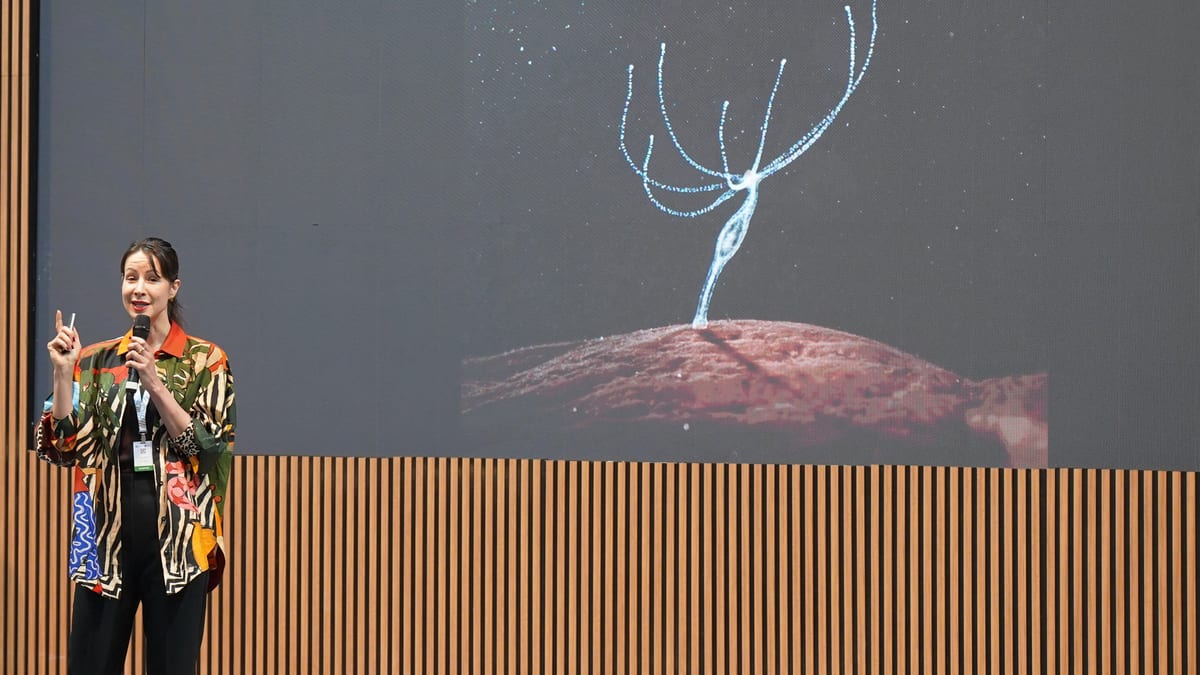
ANTALYA, Türkiye — Scientists who study the caves and underground rivers of southern Bosnia and Herzegovina warned at COP31 on Nov. 14, 2026, that the Upper Horizons hydropower scheme could drain waters whose life is still largely unstudied.
Iva Njunjić, a cave biologist and guest researcher at the Naturalis Biodiversity Center, spoke at a National Geographic Society session in the COP31 Green Zone about Dabarsko polje, a limestone basin that floods every spring and fall. Caves at its edges take in water in one season and give it back in another. She showed an eyeless cave shrimp and a tiny relative of jellyfish, "the only freshwater polyp that lives exclusively in caves," and warned that some of those caves might lose their water. "We are building hydropower dams and diverting underground rivers in the name of green energy," Njunjić said, asking whether that is still green if it destroys ecosystems scientists are only beginning to understand.

Matej Vucić, a biologist who surveys fish through environmental DNA, the genetic traces animals leave in water, said that researchers do not yet understand how the region's surface and underground waters connect. It is possible, he added, that "currently we are killing off more species than we are able to recognize."

Nick St.Oegger, a documentary photographer and National Geographic Explorer who has covered Balkan rivers for more than a decade, said in an interview that the environmental studies behind such projects are sometimes done 10 to 15 years before a project is finished. As the climate changes fast, "a lot of this infrastructure that's being pushed on rivers in the Balkans is completely out of line with the current climate situation," he added.

A complaint against Upper Horizons was registered in 2024 under the Bern Convention, the Council of Europe's treaty on wildlife and natural habitats. The Council's summary of the complaint says that one of the scheme's three large power plants is under construction in Republika Srpska, one of the country’s two entities, and that the project could reduce the flow of the Neretva River. It also notes that the authorities there issued the necessary permits after an environmental impact assessment in 2012.
St.Oegger closed the Bosnian talk at the National Geographic session by saying the team is working with local partners in Bosnia and Croatia to press for protected areas, because if these rivers disappear for good, a hidden world disappears with them.
Sources
 By Nika Kulpin and Andreja Jezernik