Gram for Gram, Today's Soot Warms More Than the Soot of 1750
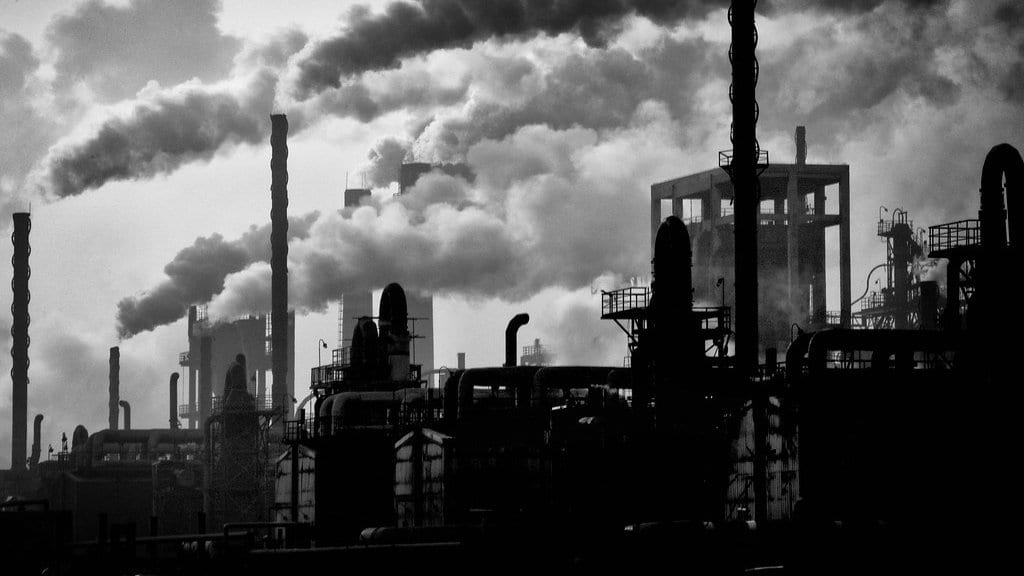
In 2019, soot accounted for 35% of the black carbon that human activity put into the air, up from 16% in 1750, according to a global emissions inventory published Sept. 8 in Nature Geoscience.
Black carbon is the dark residue of burning, and it comes in two forms. Char absorbs less light; soot absorbs more. Climate assessments treat black carbon as a single compound. This approach, however, overlooks the differences between char and soot, adding substantial uncertainty to estimates of black carbon's climate impact. The inventory separates the two so that climate models can too.
Han Shen and Huizhong Shen of the Southern University of Science and Technology in Shenzhen, with colleagues at the Max Planck Institute for Chemistry in Mainz and other institutions, built the inventory from about 2,500 measurements of carbon fractions collected across emission sources. They tracked the two forms over that whole period. Soot's rising share was driven mainly by increased fossil fuel consumption. The trend lines up with what sediment records show.
The authors say the shift suggests that black carbon emitted today carries more warming power per metric ton than black carbon emitted at the start of the industrial era. They call for climate models to distinguish the two forms and for soot-rich sources to be prioritized when emissions are cut.
The inventory's data and custom code are publicly available on the Open Science Framework. The work was funded by the National Natural Science Foundation of China, China's National Key R&D Program and the European Union's Horizon Europe program, among other sources.
Sources
- doi.orgPeer-reviewed