Antarctic Sea Ice Has Dropped to Record Lows for the Time of Year
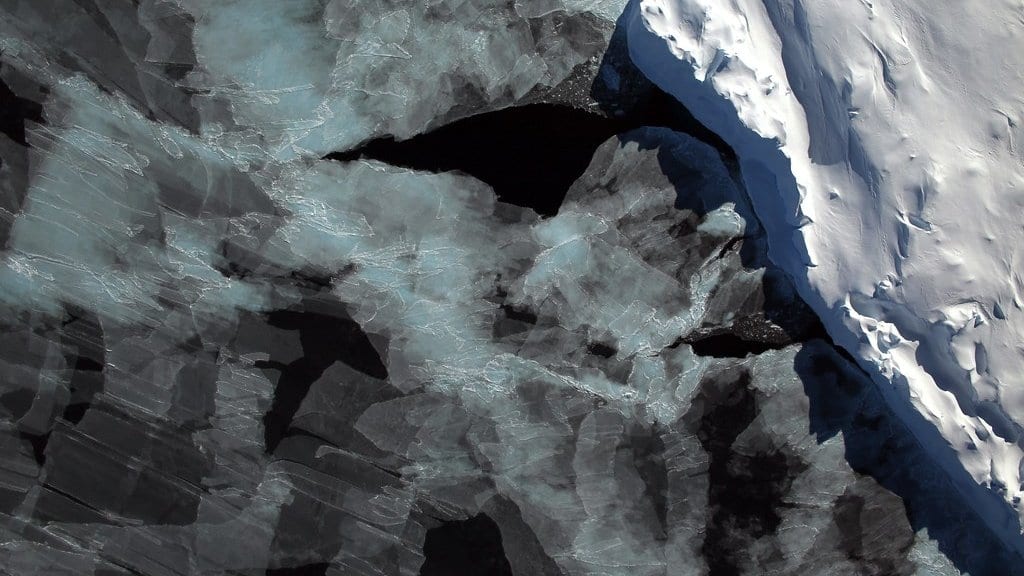
Sea ice around Antarctica has been at record low daily extents since Oct. 2, 2026, surpassing the records set in 2023, the National Snow and Ice Data Center said in its monthly sea ice analysis.
The Antarctic ice pack was already among the smallest on record before that drop. The center's analysis puts the Antarctic winter maximum at third lowest in the satellite record. It came on Sept. 14, 2026, and NSIDC puts the areas of loss since then in the Ross and Amundsen seas and the Indian Ocean sector.
In the Northern Hemisphere, the center put Arctic sea ice extent for September 2026 at an average of 4.81 million square kilometers, thirteenth lowest in the satellite record. The monthly figure follows the Arctic sea ice minimum, which NSIDC reported in September.
NSIDC describes the Arctic freeze-up that followed the minimum as rapid, and attributes September's ice growth to low air pressure and below-average temperatures over the Arctic Ocean. Over the full satellite record, the center puts the decline in September Arctic extent at 11.6% per decade against the 1981 to 2010 average.
The center reported Arctic extent in early October 2026 below average along the Eurasian coast, especially in the Kara and Barents seas. It also described the Northern Sea Route as largely free of ice, with significant ice still in the southern route of the Northwest Passage and heavy ice blocking M'Clure Strait.