Antarctica Is Very Likely Locked Into Losing Ice This Century, Even if Emissions Fall Fast
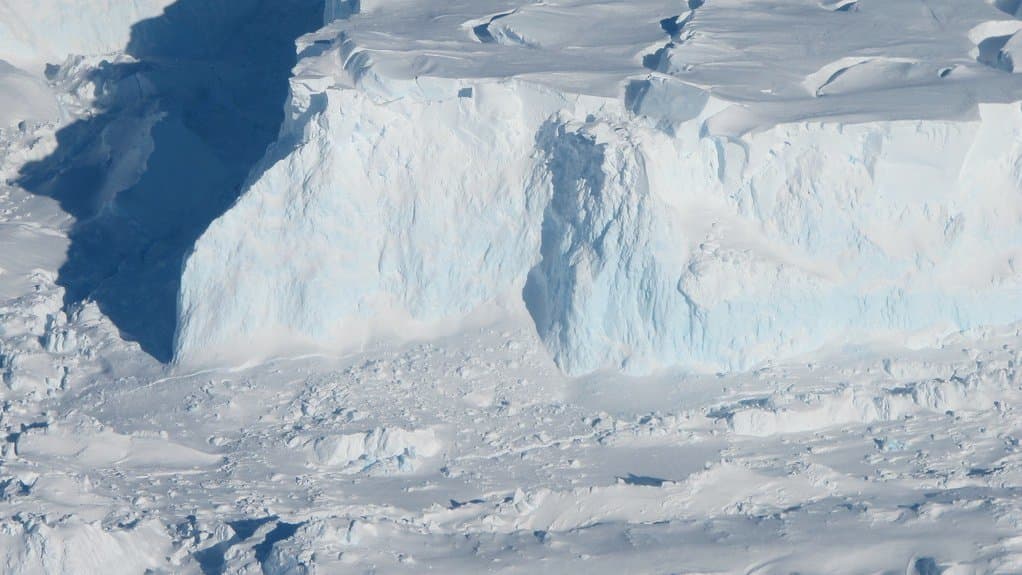
Antarctica is very likely committed to losing ice over the rest of this century, meaning the loss is already locked in by warming that has happened, even if emissions fall sharply. Yucheng Lin of City University of Hong Kong and CSIRO Environment, Chris R. Stokes of Durham University and colleagues put the probability at 0.92 or higher, reporting Sept. 30 in Nature Geoscience.
The authors call Antarctica the largest single source of uncertainty in sea-level projections and describe their framework as a way to cut the bias in those projections. Rather than giving every ice-sheet model an equal vote, it weights each physical assumption by how well that assumption reproduces what satellites have measured. The IPCC's sixth assessment had recorded low agreement on whether emissions scenarios control how the ice sheet responds.
The team trained a fast machine-learning stand-in for the slow physical ice-sheet models, then tuned it against two decades of satellite measurements of Antarctic ice loss. That step raised the committed-loss probability under the lowest-emissions pathway from 0.80, the figure before calibration. It also put the probability that higher emissions mean greater Antarctic mass loss by the end of the century at 0.89 or higher.
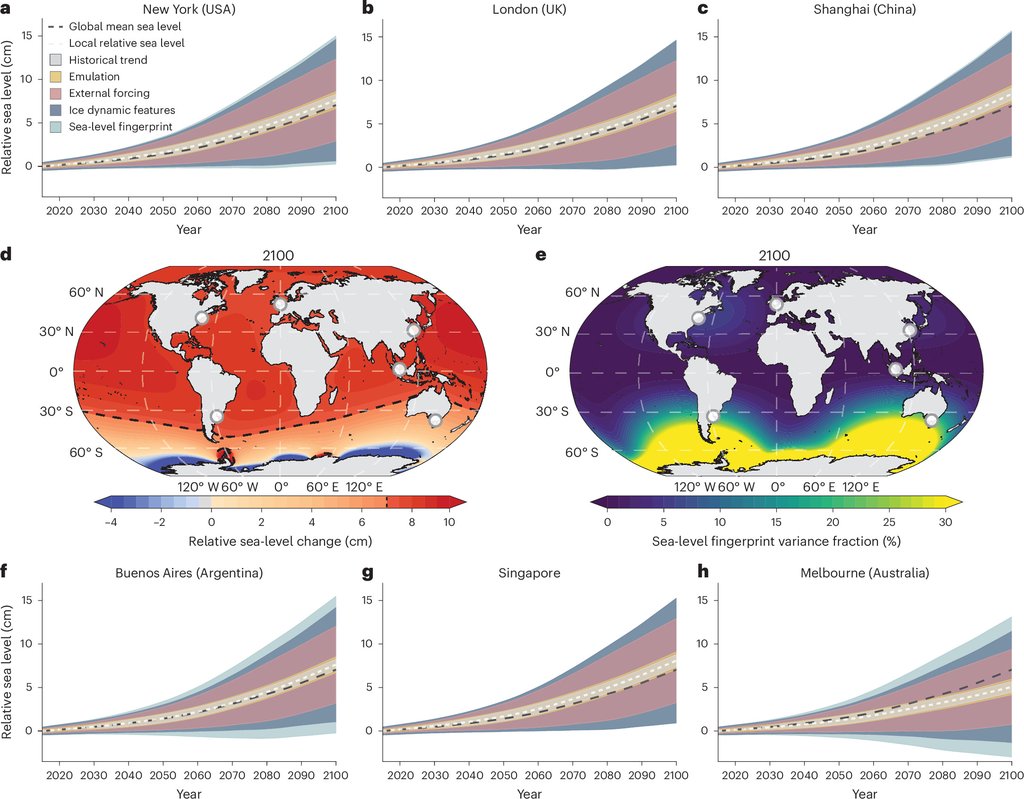
Under very high emissions, the calibrated runs trace a chain of mechanisms that could push Antarctica's contribution to 25.4 centimeters of sea level rise by 2100 while still matching the satellite record. That is the top of the range, not the central figure; the median for the same pathway is 15.7 centimeters. Warmer air over Antarctica brings extra snowfall, and these projections make it very unlikely that the added snow offsets what the ocean takes away.
The researchers found that two assumptions dominate the spread that remains: how ice slides over the bedrock beneath it and how warm ocean water melts the floating ice shelves at the continent's edge. They say narrowing the range further will take observations aimed at both.
Sources
- Nature GeosciencePeer-reviewed