Chemists Build a Tested Recipe for Counting Tiny Plastic in Farm Soil
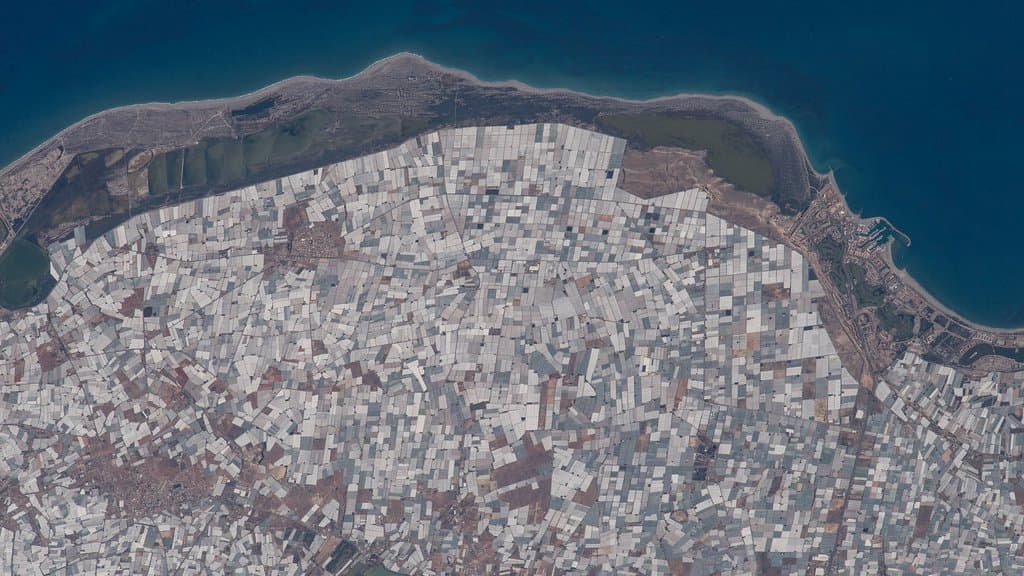
Chemists at the University of Almería have published a laboratory method for separating microplastic particles as small as 0.05 millimeter from agricultural soil and used it to measure the soils beneath the province's greenhouses.
The authors present the protocol as an analytical tool for monitoring microplastic contamination in intensive farming areas. Almería, in southern Spain, holds Europe's largest concentration of plastic-covered cultivation, and their paper was published Sept. 26, 2026 in the open-access journal Microplastics and Nanoplastics.
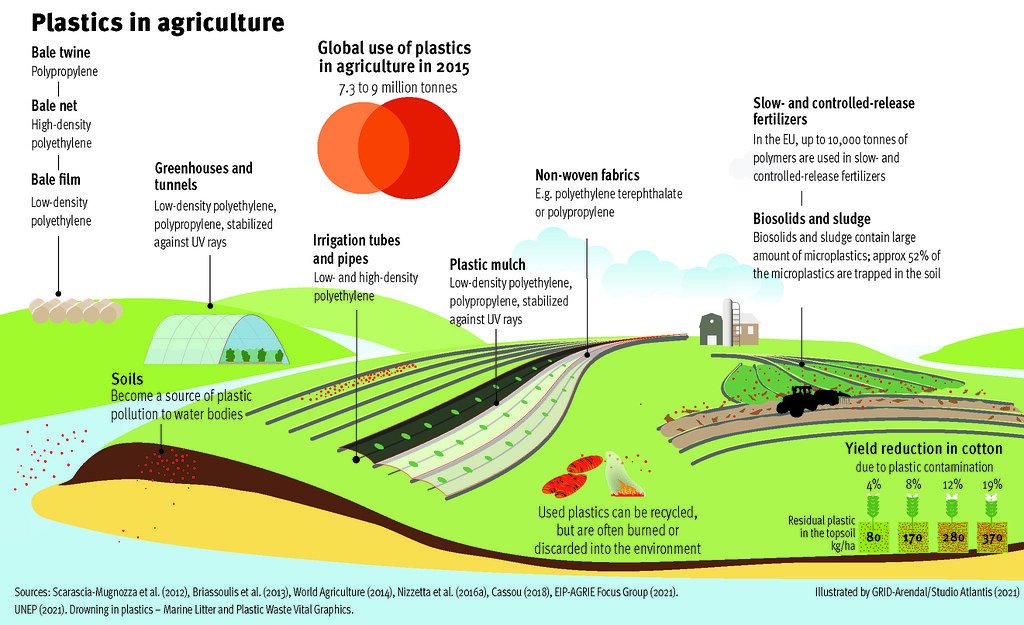
In the greenhouse soils it sampled, the team measured between 1,133 and 8,500 microplastic particles per kilogram. Fragments dominated, most of them between 100 and 250 micrometers across, and polypropylene was the most abundant polymer, at 70%.
The method came out of a comparison of extraction agents. Enrique Rodríguez Noya and colleagues, working with the Spanish National Research Council's Experimental Station of Arid Zones in Almería, tested salt solutions, surfactants and oxidizing reagents to find the combination that pulled the most plastic out of soil. It was validated on reference particles down to 50 micrometers and recovered more than 75% in most particle and polymer combinations.
The team describes their results as the first comprehensive account of both the chemistry and the shapes of microplastics in soils under plastic-covered greenhouse systems. The protocol was built around four plastics the study names as the most common in agricultural soil, polypropylene among them.
Spain's Ministry of Science, Innovation and Universities and the European Commission funded the work.
Sources
- Microplastics and NanoplasticsPeer-reviewed
