Google Says Its Satellite Ran an AI Model in Orbit and Sent Back a Poem
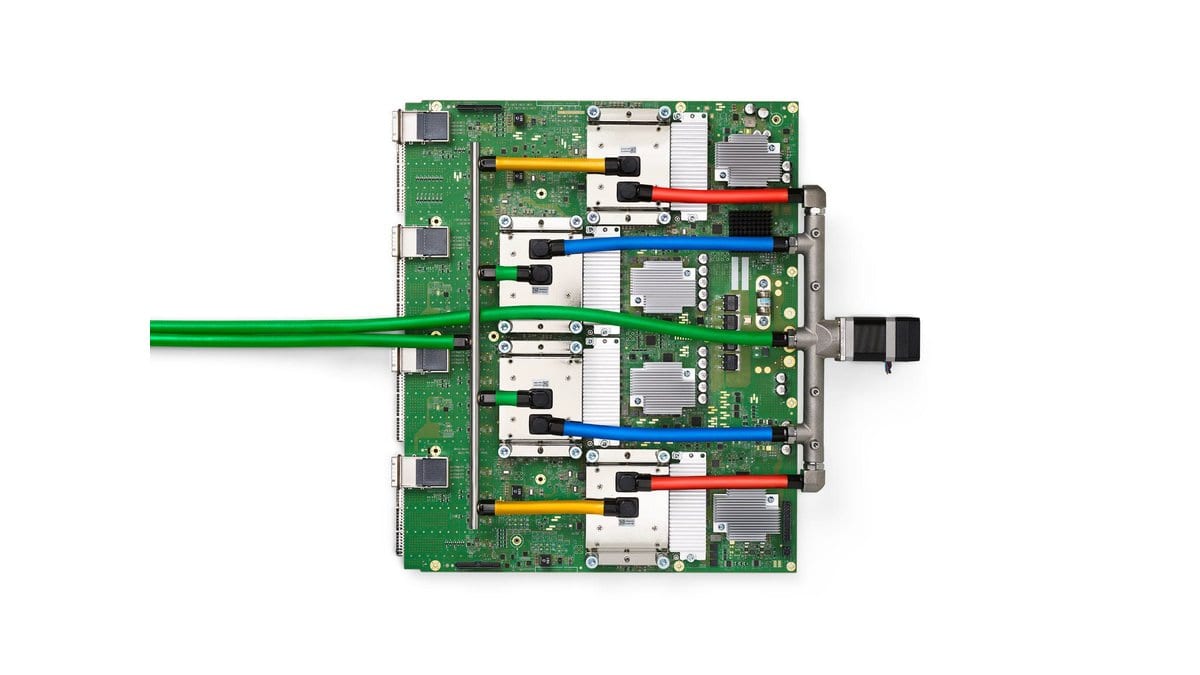
Google Research says its Project Suncatcher prototype satellite has run an AI model on a data-center-class TPU, one of the company's own AI chips, while in orbit and downlinked the text the model generated. The account is a post dated Oct. 30, 2026, signed by Travis Beals, a senior director at Google Research.
Google describes Project Suncatcher as a long-term research effort to explore powering AI computing in space, and its post calls the run "the first-ever AI response from a data center class TPU in orbit." That wording is the company's own, about its own hardware, and no independent party observed the test.
By Google's account, a prompt was sent up to the satellite as it flew over a ground station and asked the onboard Gemma 4 open model for a haiku about being in space. The poem came back down as the satellite passed Svalbard, Norway:
Blue marble below Data streams in silent grace Starlight feeds my core.
The payload then produced space-themed limericks and telemetry prompts reporting the technical status of its systems. The satellite launched on Oct. 1, 2026, and the weeks before this test went to a commissioning checklist that included powering up the host and TPU trays and running early machine learning tests.
As Google describes it, the run is a single prototype satellite answering a single prompt. The post publishes no measurements of how the chip performed, and says tests of how the TPUs hold up under thermal stress and radiation exposure in orbit come next.
Google says verifying that its chips can reliably run workloads in space leads to its next milestone, twin interconnected satellites in 2027.