FDA Approves First Treatment for Sanfilippo Syndrome Type a in Children
The FDA approved Fayuvi (rebisufligene etisparvovec-hopf) on Sept. 17, 2026, making it the first treatment designed to alter the course of mucopolysaccharidosis type IIIA (MPS IIIA), a rare inherited disease that progressively destroys the brain and nervous system in children. Until this approval, treatment was limited to managing symptoms.
MPS IIIA is caused by a missing or deficient enzyme, sulfamidase, which normally breaks down a sugar chain called heparan sulfate inside cells. Without it, heparan sulfate accumulates in the brain and throughout the body, causing children who develop normally in their earliest years to lose cognitive, language, and motor abilities.
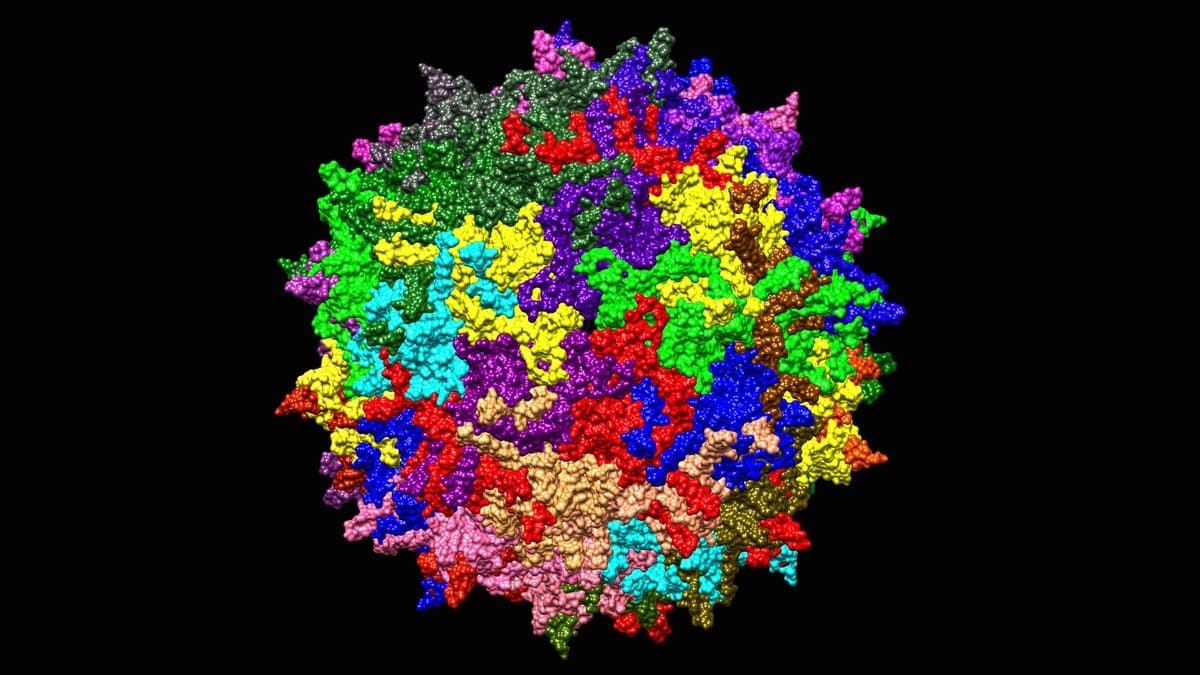
Fayuvi is a single intravenous infusion that uses an adeno-associated virus (AAV9) to deliver a working copy of the SGSH gene into the patient's cells, enabling them to produce sulfamidase. The FDA evaluated its safety and effectiveness in an open-label, single-arm, multicenter clinical study in patients aged 2 to 5 years. Measuring mean changes in cognitive scores, the study found that treated patients maintained or improved cognitive function compared to an untreated historical control cohort. The FDA described that divergence as "a meaningful divergence from the expected natural disease course of plateau and decline during this critical developmental window."
The most common adverse reactions, reported in more than 5% of patients, were elevated liver enzymes (AST), nausea and vomiting, fever, decreased appetite, reduced white blood cell and platelet counts, and increased amylase. The FDA flagged a risk of thrombotic microangiopathy (TMA), a condition affecting small blood vessels, and a long-term potential risk that the inserted genetic material could integrate into the genome and lead to tumor development. Patients receive corticosteroids beginning the day before infusion and for at least eight weeks afterward, and the infusion must be given in a healthcare setting equipped to manage reactions.
